

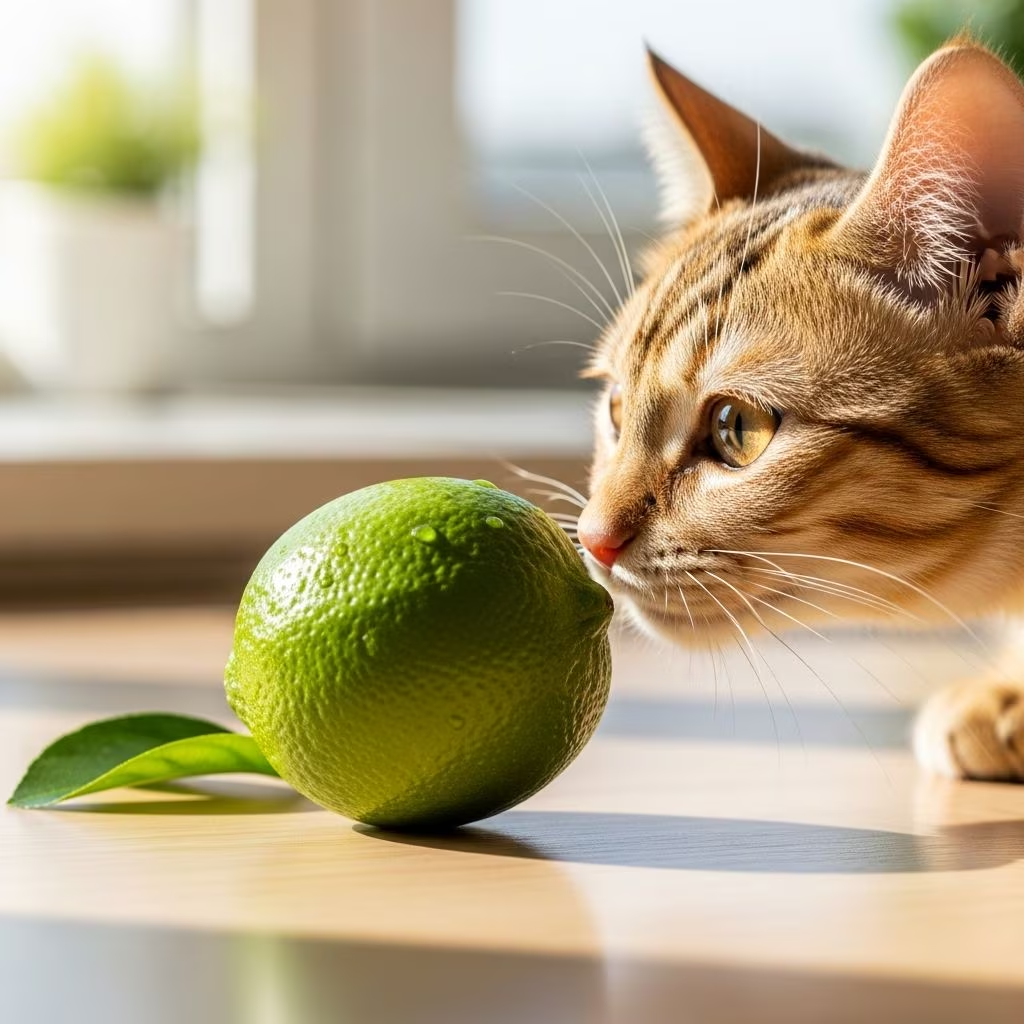
Limes are toxic to cats and should never be fed to them in any form, including flesh, peel, juice, or essential oils. All parts of the lime contain harmful compounds like essential oils (limonene and linalool), psoralens, and citric acid that cats cannot metabolize properly, leading to gastrointestinal upset, skin irritation, and potentially severe health issues.
The Dangers of Citrus for Cats
Cats are obligate carnivores, meaning their diet should primarily consist of meat-based proteins. Their unique metabolism lacks the enzymes needed to process certain plant compounds found in citrus fruits like limes. While humans enjoy limes for their vitamin C and refreshing flavor, these fruits pose significant risks to felines. Even small amounts can trigger adverse reactions because cats are much smaller than humans and more sensitive to toxins.
Citrus toxicity is a common concern among cat owners, especially in households where fresh fruit is present. Limes belong to the Rutaceae family, alongside lemons, oranges, and grapefruits, all of which share similar toxic principles. The ASPCA classifies limes as toxic to cats, emphasizing the need for prevention.
Why Are Limes Toxic to Cats?
The toxicity stems from specific chemicals naturally present throughout the lime:
- Essential oils (limonene and linalool): Primarily concentrated in the peel and rind, these oils irritate the gastrointestinal tract, skin, and respiratory system. Limonene causes vomiting and diarrhea, while linalool can lead to tremors and central nervous system depression.
- Psoralens: These phototoxic compounds cause skin sensitivity to sunlight, resulting in dermatitis, redness, or burns upon exposure. They are found in the peel and oils.
- Citric acid: High acidity in the juice upsets the stomach, promoting vomiting and diarrhea.
Unlike humans, cats’ livers cannot efficiently break down these substances due to insufficient glucuronyl transferase enzyme activity. The rind is the most dangerous part, containing the highest concentrations, but flesh and juice are also risky. Indirect exposure, like licking lime residue from hands or inhaling essential oil vapors, can cause harm.
Do Cats Like the Taste or Smell of Limes?
Most cats dislike limes due to their strong citrus scent, which overwhelms their sensitive olfactory system. As curious explorers, they might sniff or paw at a lime out of interest in your activity, but the bitter, acidic taste typically deters further consumption. This natural aversion reduces accidental ingestion risks, but it doesn’t eliminate them—kittens or particularly inquisitive cats may still nibble.
Obligate carnivores prefer meaty flavors, so any interest is usually curiosity-driven rather than hunger. However, never rely on this; always store limes securely.
Symptoms of Lime Poisoning in Cats
Symptoms appear within minutes to hours of exposure, varying by amount ingested and the cat’s size. Common signs include:
- Gastrointestinal: Vomiting, diarrhea, excessive drooling.
- Neurological: Lethargy, weakness, tremors, loss of coordination, difficulty breathing.
- Skin-related: Irritation, redness, dermatitis, photosensitivity (worsens in sunlight).
Severe cases may involve liver damage or central nervous system depression. Prompt recognition is crucial, as early intervention prevents complications.
| Symptom | Severity | Common Cause |
|---|---|---|
| Vomiting/Drooling | Mild-Moderate | Limonene/Citric Acid |
| Diarrhea | Mild-Moderate | Essential Oils/Acidity |
| Tremors/Lethargy | Moderate-Severe | Linalool |
| Skin Irritation | Mild-Severe | Psoralens |
What to Do If Your Cat Eats a Lime
If you suspect lime ingestion:
- Remove access: Take away the lime and clean any spills immediately.
- Wash the cat: Gently rinse mouth, fur, and paws with lukewarm water to remove residue. Avoid soaps unless vet-approved.
- Monitor closely: Watch for symptoms over 24-48 hours. Note the estimated amount ingested.
- Contact professionals: Call your vet, ASPCA Poison Control (888-426-4435), or Pet Poison Helpline immediately. Provide details on exposure.
Do not induce vomiting without veterinary guidance, as it can worsen irritation. Treatment may include activated charcoal, anti-nausea meds, IV fluids, or skin care. Most cats recover fully with prompt care; fatalities are rare.
How to Tell If Your Cat Ate Lime
Clues include missing lime pieces, sticky fur, pawing at mouth, hiding, or sudden disinterest in food. Cats may show immediate distaste by shaking head or foaming at the mouth. Behavioral changes like lethargy confirm suspicion.
Lime Essential Oils and Products to Avoid
Lime essential oils are highly concentrated toxins. Diffusers, cleaners, or topical products release vapors that irritate airways even without ingestion. Store out of reach and ventilate areas. Many household items contain lime extracts—check labels.
Safe Fruits and Alternatives for Cats
While limes are off-limits, some fruits are safe in moderation:
- Apples (no seeds): Small, peeled slices for hydration.
- Bananas: Tiny pieces for potassium.
- Blueberries: Antioxidants in small amounts.
- Watermelon (no rind/seeds): Hydrating treat.
Always introduce new foods gradually. Commercial cat treats or vet-approved supplements are safest. Prioritize a complete, balanced cat food diet.
Preventing Citrus Exposure
- Store fruits in sealed containers or fridge.
- Wash hands after handling limes.
- Use pet-safe cleaners.
- Educate household members on risks.
- Supervise curious cats around kitchen counters.
Frequently Asked Questions (FAQs)
Can cats eat lime juice?
No, lime juice contains citric acid and traces of essential oils, causing stomach upset. Even licking small amounts off hands is risky.
Is lime peel the only toxic part?
The peel is most toxic due to high limonene/psoralen levels, but flesh and juice can still irritate.
What if my cat licks a lime essential oil diffuser?
Seek vet care immediately; vapors alone cause respiratory issues.
Are all citrus fruits bad for cats?
Yes, lemons, oranges, grapefruits share similar toxins. Avoid entirely.
How much lime is dangerous for a cat?
Even small amounts (a lick or nibble) can cause mild symptoms; larger quantities lead to severe effects. Size-dependent.
Can lime poisoning be fatal?
Rare with prompt treatment, but severe cases risk organ damage.
References
- Can Cats Eat Limes? A Vet’s Perspective — Dial a Vet. 2023. https://www.dialavet.com/blog/can-cats-eat-limes
- Can Cats Eat Limes? Vet-Approved Health & Safety Guide — Hepper. 2023. https://articles.hepper.com/can-cats-eat-limes/
- Safe vs Toxic Foods For Cats — Sploot Veterinary Care. 2023. https://www.splootvets.com/post/can-my-cat-eat
- What Fruits Can Cats Eat? — PetMD. 2024-01-15. https://www.petmd.com/cat/nutrition/which-fruits-can-cats-eat
- What Can Cats Not Eat? — Chewy. 2023. https://www.chewy.com/education/cat/food-and-nutrition/what-can-cats-not-eat
- Toxic and Non-toxic Plants: Lime — ASPCA. 2023. https://www.aspca.org/pet-care/aspca-poison-control/toxic-and-non-toxic-plants/lime
- Lime Poisoning in Cats — WagWalking. 2023. https://wagwalking.com/cat/condition/lime-poisoning



