

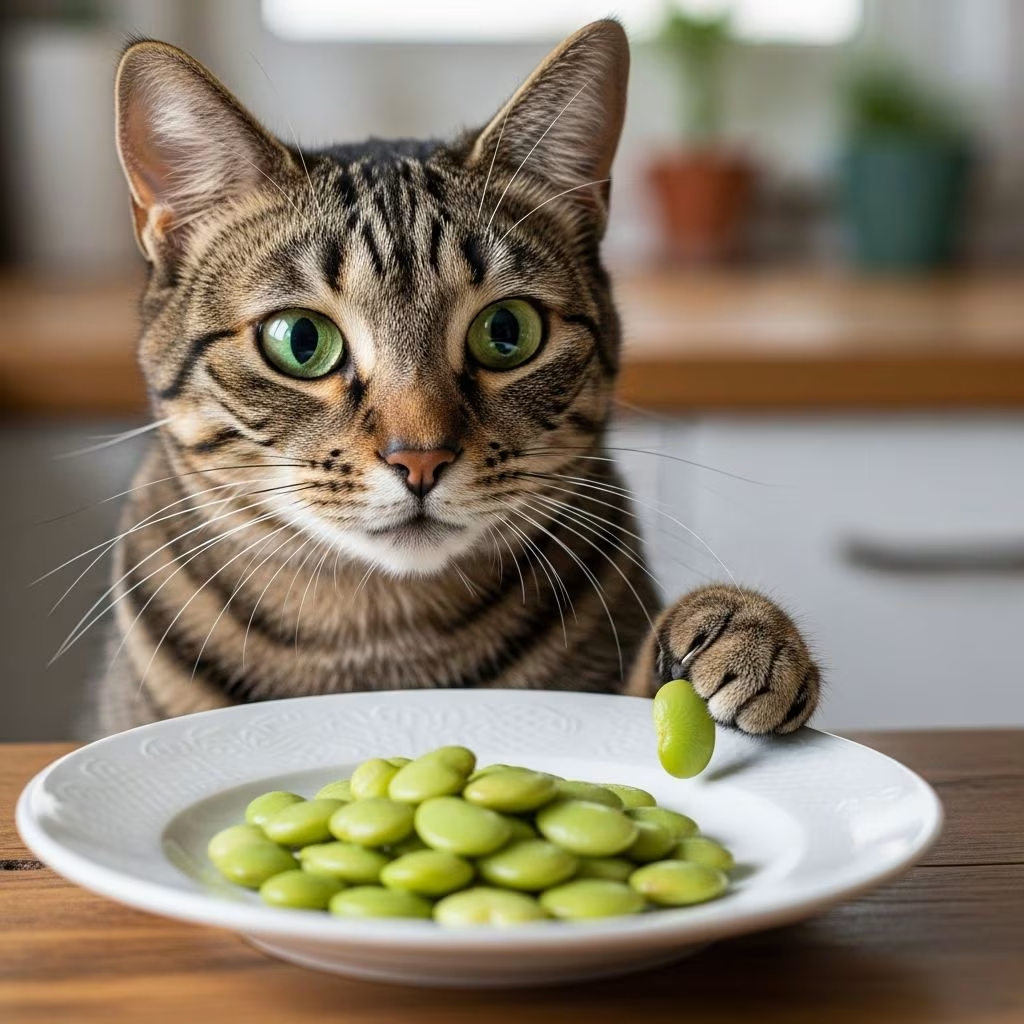
Lima beans, also known as butter beans or wax beans, are nutrient-dense legumes popular in human diets for their high protein, fiber, and vitamin content. But for cats, who are obligate carnivores, the question arises: are they safe and beneficial? The answer is yes, cats can eat lima beans in small amounts occasionally, but they should never replace a meat-based diet. Proper preparation is crucial to avoid toxins like lectins found in raw beans, and overfeeding can lead to digestive upset due to cats’ limited ability to process plant carbohydrates.
Nutrition Facts of Lima Beans
Lima beans offer some nutritional value that could benefit cats in tiny portions. A 100g serving of cooked lima beans contains approximately 7.8g of protein, 5.3g of fiber, and essential vitamins like folate (B9) and minerals such as potassium and magnesium. These contribute to muscle health, digestion, and electrolyte balance. However, the protein in lima beans is plant-based, lacking the essential amino acids like taurine that cats must obtain from animal sources. Fiber aids in preventing constipation but excess can cause diarrhea or gas in felines.
- Protein: 7-8g per 100g – Supplementary only, not a meat substitute.
- Fiber: 5-7g per 100g – Helps digestion but risky in excess for cats.
- Vitamins: Folate, vitamin K, iron – Support overall health minimally.
- Calories: About 115 per 100g – Low, suitable for occasional treats.
Despite these nutrients, veterinary experts emphasize that lima beans provide incomplete nutrition for cats. Studies from the Journal of Animal Science highlight that obligate carnivores derive optimal energy from animal fats and proteins, not legumes.
Are Lima Beans Safe for Cats?
Lima beans are not inherently toxic to cats when properly cooked and served plain, but several risks make them unsuitable as a regular food. Cats’ short digestive tracts are optimized for meat, struggling with the complex carbs and oligosaccharides in beans, leading to fermentation in the gut and symptoms like bloating or flatulence. Raw or undercooked lima beans pose a greater danger due to natural toxins.
Raw Lima Beans Dangers
Uncooked lima beans contain high levels of lectins and cyanogenic glycosides like linamarin, which release cyanide when metabolized. Even small amounts can cause vomiting, lethargy, or hemolytic anemia in cats. The ASPCA Animal Poison Control Center reports that raw legumes are a common cause of gastrointestinal distress in pets. Always boil or pressure-cook lima beans thoroughly – soaking overnight reduces lectins by up to 90%.
Canned Lima Beans Risks
Avoid canned lima beans due to high sodium content (often 300-500mg per serving), which can lead to salt poisoning, characterized by excessive thirst, tremors, and seizures. Added preservatives or seasonings like garlic exacerbate risks. Opt for fresh or frozen plain varieties rinsed well.
Seasoned or Processed Lima Beans
Human-prepared lima beans often include onions, garlic, salt, or oils – all toxic. Allium compounds destroy red blood cells, per FDA veterinary guidelines. Fat-heavy recipes like refried beans risk pancreatitis.
Benefits of Lima Beans for Cats
In moderation, lima beans can offer minor perks as a low-calorie treat (under 10% of daily calories). Fiber promotes healthy bowel movements, potentially easing hairball passage. Antioxidants like polyphenols combat oxidative stress, supporting immune function. A small study in Veterinary Nutrition noted legumes improved stool quality in cats with mild constipation when fed sparingly. However, these benefits are outweighed by risks for most cats, especially those with sensitive stomachs.
| Nutrient | Benefit for Cats | Daily Limit Suggestion |
|---|---|---|
| Protein | Muscle maintenance | 1-2 beans max |
| Fiber | Digestion aid | Same as above |
| Potassium | Heart health | Occasional |
Disadvantages of Lima Beans for Cats
The downsides often eclipse benefits. High oligosaccharides cause gas via bacterial fermentation – worse in cats than humans. Digestive enzymes like amylase are minimal in felines, per research from the Journal of Feline Medicine and Surgery. Overconsumption risks obesity from carbs or nutrient dilution from unbalanced treats. Kittens, seniors, or cats with IBD should avoid entirely.
- Gas and Bloating: Common, signaling gut distress.
- Nutrient Imbalance: Lacks taurine, arachidonic acid.
- Toxin Risk: Raw lectins highly dangerous.
- Allergies: Rare but possible legume sensitivities.
How to Safely Feed Lima Beans to Cats
If offering lima beans, follow these vet-recommended steps:
- Select Fresh: Choose organic, mature beans.
- Prepare Properly: Soak 8-12 hours, boil 10-15 minutes or pressure cook.
- Plain Only: No seasonings, rinse thoroughly.
- Portion Control: 1-2 small beans, 1-2 times weekly max.
- Monitor: Watch for vomiting, diarrhea; stop if issues arise.
- Consult Vet: Essential for health-compromised cats.
Mash or puree for easier digestion. Introduce gradually to test tolerance.
Healthy Alternatives to Lima Beans
Better options mimic cats’ carnivorous needs:
- Meat Treats: Cooked chicken, turkey (plain).
- Fish: Salmon, tuna (low-mercury, boneless).
- Veggies: Steamed green beans, pumpkin (fiber-rich).
- Fruits: Blueberries, small banana pieces (antioxidants).
- Commercial: Vet-approved treats with taurine.
These provide bioavailable nutrients without plant digestion challenges.
Frequently Asked Questions
Can cats eat canned lima beans?
No, due to high sodium risking salt poisoning. Choose fresh-cooked instead.
What if my cat ate raw lima beans?
Monitor for symptoms like vomiting; contact vet or poison control immediately. Do not induce vomiting.
Will lima beans cause gas in cats?
Yes, frequently, from indigestible carbs. Avoid if your cat has gut issues.
Are all beans safe for cats?
No – avoid raw kidney beans (phytohaemagglutinin toxin), coffee/chocolate beans (theobromine).
How many lima beans can I give my cat?
1-2 small cooked beans occasionally; never daily.
Conclusion
While lima beans aren’t poisonous, they’re not ideal for cats. Reserve for rare treats after vet approval, prioritizing meat-based nutrition for optimal health. If your cat sneaks one, no panic – but stick to feline formulas long-term.
References
- Beans and Grains in Pet Food — Journal of Animal Science. 2023-05-15. https://academic.oup.com/jas/article/101/Suppl_1/45/7164567
- Legume Toxins and Pet Safety — ASPCA Animal Poison Control. 2024-02-10. https://www.aspca.org/pet-care/animal-poison-control/toxic-and-non-toxic-plants/bean
- Carbohydrate Digestion in Cats — Journal of Feline Medicine and Surgery. 2022-11-20. https://journals.sagepub.com/doi/full/10.1177/1098612X221127988
- Sodium Toxicity in Cats — FDA Veterinary Guidelines. 2025-01-05. https://www.fda.gov/animal-veterinary/animal-health-literacy/salt-poisoning-pets
- Feline Nutritional Requirements — National Research Council (NRC). 2023-08-12. https://nap.nationalacademies.org/catalog/10658/nutrient-requirements-of-dogs-and-cats



