

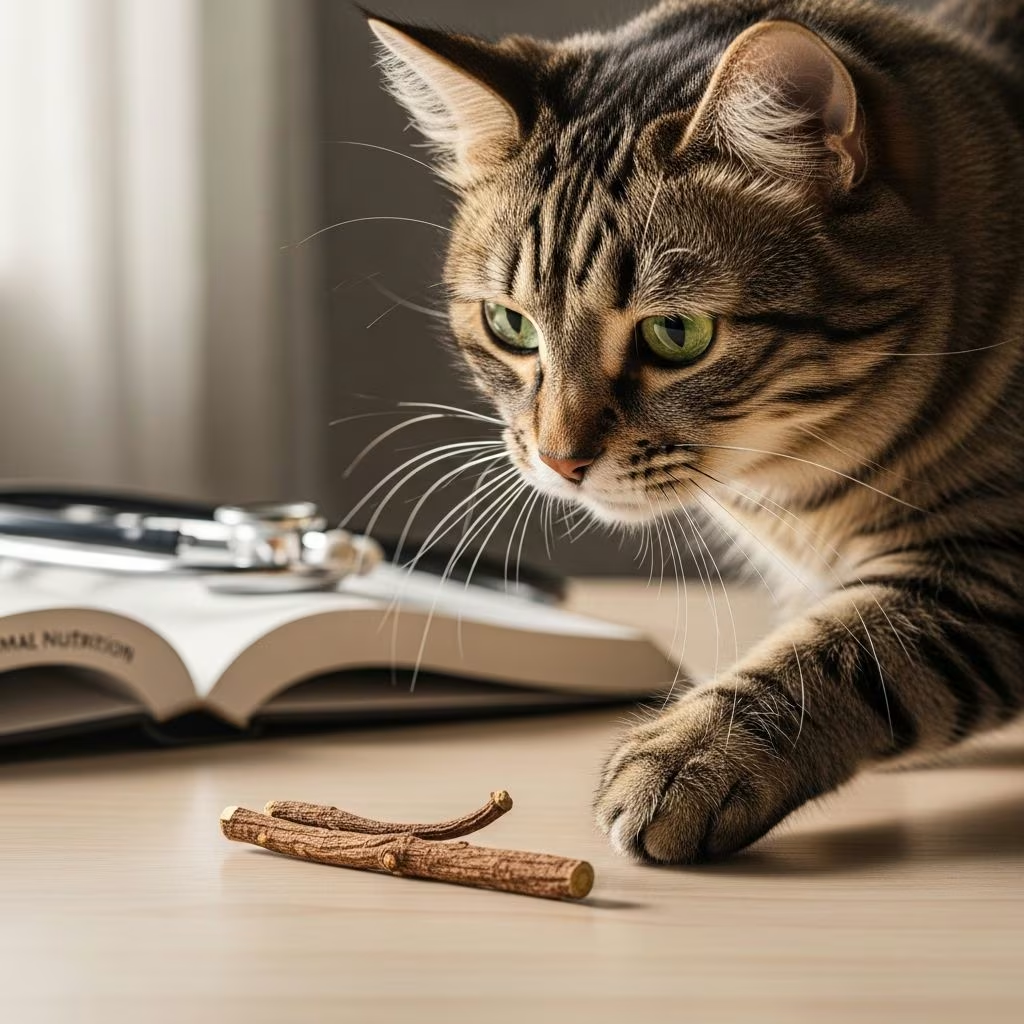
Can Cats Eat Licorice Root? Vet-Approved Nutrition Advice
As a pet parent, you want everything to be perfect for your feline pal, which includes ensuring there’s nothing potentially harmful in their diet. When it comes to licorice root, the answer is nuanced. Licorice root appears safe for cats when used appropriately and under proper guidance, though it requires careful consideration regarding dosage, duration, and potential interactions with medications.
Licorice root, scientifically known as Glycyrrhiza glabra, originates from North Africa, the Middle East, and China and has been utilized in traditional medicine for centuries. Unlike the candy treat you might enjoy at the movies, licorice root refers to the actual root of a perennial herb, which contains numerous beneficial compounds when used properly for feline health.
What Is Licorice Root?
Licorice root is derived from the root of the Glycyrrhiza glabra perennial herb and has been recognized for its therapeutic properties across various cultures. The root contains over 20 triterpenoids and nearly 300 flavonoids that have been isolated through scientific research. These naturally occurring compounds are responsible for the herb’s multiple pharmacological activities and health-promoting properties.
The herb also contains natural steroids and a compound called glycyrrhizin (also known as glycyrrhizic acid), which is the primary active ingredient responsible for many of its beneficial effects. Understanding the composition of licorice root is essential for determining its safety and efficacy for feline consumption.
Health Benefits of Licorice Root for Cats
When used appropriately, licorice root offers several potential health benefits for cats. The herb possesses multiple therapeutic properties that make it valuable for addressing various feline health concerns:
- Anti-inflammatory properties: Licorice root contains natural steroids and is thought to be helpful with cats suffering from allergies. The anti-inflammatory effects can help reduce swelling and discomfort in various conditions.
- Expectorant and demulcent qualities: As both a demulcent and expectorant, licorice root can be very helpful for digestive issues as well as respiratory problems like colds and asthma, since it soothes mucus membranes.
- Antiviral support: The anti-viral properties can help with viral infections like feline herpes, particularly because it won’t overload the system with antibiotics.
- Digestive health: Licorice root has been touted for its numerous health benefits, including digestive health, and many veterinarians recommend it for upset kitty tummies.
- Allergy relief: Licorice root can work well for soothing itchy kitties with allergies, both because of those expectorant properties and the anti-inflammatory ones.
- Arthritis support: Licorice root also has blood cleansing and anti-inflammatory properties, so it can be beneficial for cats who suffer from arthritis.
- Antioxidant and anticancer potential: A main ingredient in licorice root is glycyrrhizic acid, which appears to be antioxidant and may have anticancer properties.
- Endocrine support: Licorice root for cats may be useful for glandular and adrenal gland issues, as it has a strong affinity for the respiratory, digestive, and endocrine systems.
These diverse benefits make licorice root an attractive herbal supplement for cat owners seeking natural remedies for common feline health issues.
How to Use Licorice Root for Cats
Proper administration of licorice root is crucial for ensuring your cat’s safety while maximizing potential benefits. There are several methods for incorporating licorice root into your cat’s wellness routine:
Oral Administration
When giving licorice root orally to your cat, deglycyrrhizinated licorice (DGL) is the recommended choice over standard licorice root. DGL is licorice root that has had the glycyrrhizin removed, making it significantly safer for long-term use, particularly if your cat is taking medications.
Glycyrrhizin, while beneficial in short-term applications, can be problematic when used long-term because it can lower the potassium levels in your cat’s blood, making it dangerous at high levels. Additionally, it can interact negatively with certain medications your cat might be taking.
Commercial supplements containing deglycyrrhizinated licorice are often combined with other beneficial ingredients. For example, some formulations include DGL along with pre and probiotics and several other beneficial herbs and nutraceuticals that can provide many valuable benefits to your beloved kitty when used in rotation.
Dosage and Duration
Every animal is different, with different needs and different reactions to herbal supplements. Some cats do really well with longer breaks from supplementation, whereas others are best kept to the one-day-off-a-week rule. It’s essential to listen to your animal’s response and watch for any adverse reactions.
If given in the form of medicine, follow the instructions carefully, and never exceed recommended dosages. Most pet-safe products caution owners to only dispense the correct amount and not to administer licorice root to cats on other medications.
Topical Application
You can also use licorice root for cats topically because it can help with skin inflammation and could be useful for skin conditions. To create a topical treatment:
- Place chopped, dried licorice root in a glass jar
- Cover completely with olive oil
- Put the lid on and store in a warm place for 30 days
- Strain through cheesecloth and save in a clean jar in the fridge
- Apply to your cat’s skin as needed to relieve itching and discomfort
Keep in mind that cats tend to like the taste of licorice root, so they may try to lick off the topical application. Try to prevent this when possible so the oil can soak into the skin and provide maximum benefit.
Safety Considerations and Potential Risks
While licorice root can offer significant benefits, it’s wise to be sparing when giving your cat licorice and to understand the potential risks. Several important safety considerations should guide your decision to use this herb:
Glycyrrhizin-Related Concerns
The primary concern with licorice root is glycyrrhizin, the active component that has been shown to inhibit the activity of drug-metabolizing enzymes in humans, which can lead to an increase in the levels of some medications. This can cause adverse effects such as increased toxicity or reduced efficacy.
Although studies have not yet been performed specifically on cats, it’s not advisable to experiment with standard licorice root if your cat is on medications. This is why deglycyrrhizinated licorice is the safer choice for long-term use.
Medical Conditions to Monitor
Licorice root is not advised for use if your cat has certain health conditions, including:
- Electrolyte imbalances
- High blood pressure
- Conditions requiring specific medication interactions to be avoided
Choking Hazard
Licorice is safe for cats apart from the chance of a kitty choking on a bigger piece. Always ensure that any licorice root product given to your cat is in an appropriate form and size to prevent choking incidents.
When to Consult Your Veterinarian
Before introducing licorice root to your cat’s health regimen, it’s essential to consult with your veterinarian, especially in certain situations:
- If your cat has a medical condition that could be affected by licorice root
- If your cat is currently taking medications that might interact with licorice compounds
- If you’re considering using full licorice root with glycyrrhizin intact rather than deglycyrrhizinated licorice
- If you’re unsure about the appropriate dosage for your specific cat
- If your cat shows any adverse reactions after starting licorice root supplementation
Your veterinarian or a holistic veterinarian with experience with herbal supplements can provide personalized guidance based on your cat’s unique health profile and ensure that licorice root is safe for your kitty.
Comparing Licorice Root to Other Feline Herbs
While licorice root offers numerous benefits, it’s helpful to understand how it compares to other safe herbs for cats:
| Herb | Primary Benefits | Safety Profile | Best Use |
|---|---|---|---|
| Licorice Root | Anti-inflammatory, digestive support, respiratory health | Safe with DGL form; caution with standard form | Long-term wellness when using DGL |
| Valerian Root | Calming properties | Wide margin of safety | Anxiety and stress relief |
| Marshmallow Root | Anti-inflammatory, antibacterial | Safe for cats | Digestive support and blood sugar regulation |
Commercial Products Containing Licorice Root
Several commercial supplements combine licorice root with other beneficial ingredients to support feline health:
- Animal Essentials Seasonal Allergy Herbal Formula: Combines licorice root with nettle leaf, eyebright herb, and burdock root to support your cat’s natural immune functions and maintain histamine levels during hay fever season.
- Animal Essentials Colon Rescue: A herbal GI support supplement that includes licorice root and is recommended by veterinarians for upset kitty tummies and proper gastrointestinal and bowel health.
- Feline Gut Soothe: Contains deglycyrrhizinated licorice along with pre and probiotics and several other beneficial herbs and nutraceuticals.
When selecting commercial products, always ensure they are specifically formulated for feline use and contain the safest form of licorice (preferably DGL).
Frequently Asked Questions
Q: Is licorice root toxic to cats?
A: Licorice root is not inherently toxic to cats when used appropriately. However, the glycyrrhizin compound in standard licorice can be problematic with long-term use or if your cat is on medications. Deglycyrrhizinated licorice (DGL) is the safer choice for extended use.
Q: How much licorice root can I give my cat?
A: Dosage depends on your cat’s weight, age, and health status. Follow the instructions on commercial pet supplements carefully, and always consult your veterinarian for personalized dosing recommendations. Some cats do well with daily use, while others respond better to intermittent dosing.
Q: Can licorice root help with my cat’s allergies?
A: Yes, licorice root’s anti-inflammatory properties and natural cortisone content make it beneficial for cats with allergies. It can help soothe itchy skin and support immune function, particularly when used under veterinary guidance.
Q: Is licorice root safe if my cat is on other medications?
A: Standard licorice root can interact with medications due to its glycyrrhizin content. Deglycyrrhizinated licorice (DGL) is safer for cats on medications, but you should still consult your veterinarian before combining any supplements with prescription drugs.
Q: How long does it take to see benefits from licorice root?
A: The timeframe varies depending on the condition being treated and your individual cat’s response. Some cats show improvements within days, while others may require weeks of consistent use to demonstrate noticeable benefits.
Q: Can kittens take licorice root?
A: While licorice root appears safe for cats of various ages, it’s particularly important to consult your veterinarian before giving it to kittens, as their bodies may process herbs differently than adult cats.
Final Thoughts
Licorice root can be a valuable addition to your cat’s wellness toolkit when used responsibly and under appropriate guidance. Whether you’re addressing digestive concerns, respiratory issues, allergies, or general inflammatory conditions, this ancient herb offers promising benefits supported by traditional use and emerging research.
The key to safely incorporating licorice root into your cat’s health regimen is choosing the deglycyrrhizinated form for long-term use, following proper dosing guidelines, and maintaining open communication with your veterinarian. By taking these precautions and listening to your cat’s individual response, you can harness the potential benefits of this remarkable herb while keeping your feline companion safe and healthy.
Remember that licorice root is a supplement, not a replacement for professional veterinary care. If your cat develops new symptoms or shows signs of distress, consult your veterinarian promptly to ensure proper diagnosis and treatment.
References
- Licorice Root for Cats: Benefits & How to Use It — Adored Beast. Accessed January 14, 2026. https://blog.adoredbeast.com/licorice-roots-for-cats-benefits-how-to-use-it/
- Herbal Pet Supplies for Cats — Chewy. Accessed January 14, 2026. https://www.chewy.com/education/cat/health-and-wellness/beneficial-herbal-cat-supplements
- Can Cats Eat Twizzlers? Health Risks & Precautions — Catster. Accessed January 14, 2026. https://www.catster.com/nutrition/cats-eat-twizzlers/
- 10 Herbs That Are Safe for Cats (& Ones to Avoid) Our Vet Answers — Catster. Accessed January 14, 2026. https://www.catster.com/ask-the-vet/herbs-that-are-safe-for-cats/
- Meow! A Letter Regarding The Salty Licorice Cat — Pawprint Seasley. Accessed January 14, 2026. https://www.pawprintseasley.com/meow-a-letter-regarding-the-salty-licorice-cat/
- 16 Herbs for Cats That Improve Health & Are Feline Friendly (Vet Approved) — Catster. Accessed January 14, 2026. https://www.catster.com/ask-the-vet/herbs-for-cats/



