

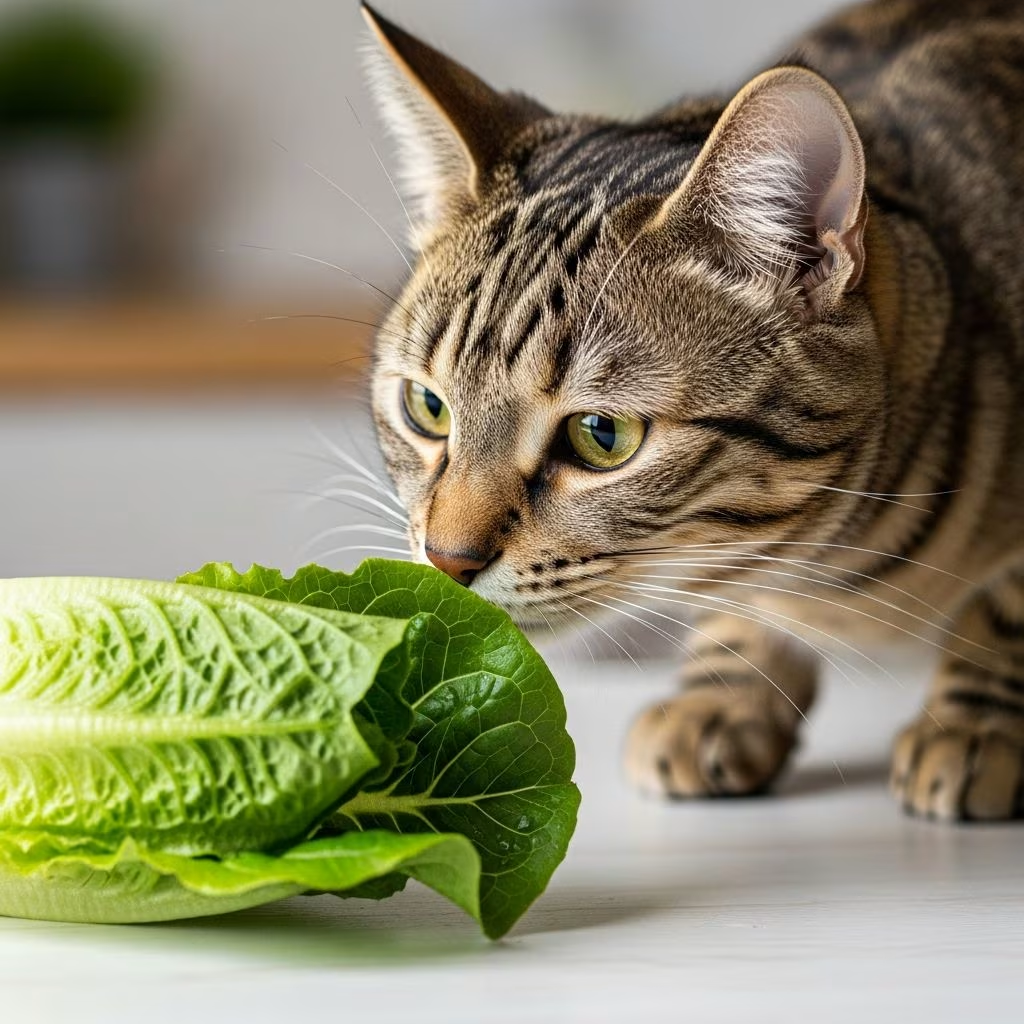
Cats can safely eat lettuce in small amounts as an occasional treat, providing hydration and fiber without significant calories, though it’s not nutritionally essential for obligate carnivores like cats.
Health Benefits and Precautions With Feeding Lettuce to Cats
Lettuce offers several potential benefits for cats when fed sparingly. Its high water content—around 95%—helps with hydration, especially for cats that don’t drink enough from bowls. The dietary fiber supports digestion, promoting regular bowel movements and preventing constipation. Vitamins A, C, and K contribute to vision, immune function, and blood clotting, while minerals like calcium, phosphorus, potassium, and magnesium aid bone health and fluid balance.
Low in calories, lettuce is ideal for overweight cats or as a food topper to combat boredom without adding weight. The crunchy texture may even clean teeth naturally, reducing plaque buildup.
However, precautions are essential. Cats are obligate carnivores requiring meat-based proteins like taurine, which lettuce lacks. Excess can cause digestive upset, diarrhea, or nutrient imbalances. Always wash thoroughly to remove pesticides, chop into small pieces to prevent choking, and avoid spoiled or wilted leaves. Introduce gradually to monitor for allergies or sensitivities.
How Much Lettuce Can Cats Eat?
Moderation is key—offer lettuce as a treat comprising no more than 10% of daily calories. Start with tiny shreds (1-2 teaspoons) mixed into meals, 1-2 times weekly. Overfeeding risks loose stools from high fiber and water. Puppies or kittens need even less; consult a vet for tailored advice.
- Portion guideline: Small shreds or leaves, 1-2 tsp per 5 lbs body weight, occasionally.
- Frequency: 1-3 times/week max, not daily.
- Signs to stop: Vomiting, diarrhea, lethargy—discontinue and see vet.
Is Lettuce Good for Cats?
Lettuce isn’t harmful and provides supplementary perks like hydration and fiber, but it’s no substitute for balanced commercial cat food. Benefits shine for finicky eaters or hydration-challenged cats, but nutritional value is minimal compared to meat. Some cats enjoy the texture as enrichment, mimicking hunting greens.
Can Kittens Eat Lettuce?
Kittens can try lettuce sparingly after weaning (around 8 weeks), but prioritize kitten formula for growth nutrients. Tiny amounts aid hydration without overwhelming digestion; avoid until solids are established.
Which Types of Lettuce Can Cats Eat?
Most common varieties are safe in moderation. Here’s a comparison:
| Variety | Key Nutrients | Water Content | Best For | Notes |
|---|---|---|---|---|
| Iceberg | Low (minimal vitamins) | High | Hydration | Safe but least nutritious; excess may cause diarrhea. |
| Green Leaf | Folate, calcium, fiber, vitamins A/K | Moderate | Digestion, nutrition boost | More beneficial than iceberg. |
| Romaine | Magnesium, phosphorus, potassium | High | Minerals, hydration | Low fiber; crunchy appeal. |
| Butter (Bibb) | Iron, calcium, vitamins A/C/K | High | Vitamins, low-cal snack | Nutrient-dense option. |
Avoid wild lettuce or varieties with high oxalates. Stick to fresh, store-bought types.
Potential Side Effects of Lettuce for Cats
While safe, risks include:
- Digestive upset: Diarrhea, gas from fiber overload.
- Laxative effect: High water loosens stools.
- Pesticides: Residue causes toxicity if unwashed.
- Sedation: Rare lactucarium in some types may drowsy cats.
- Choking: Large pieces pose hazard.
Monitor post-feeding; discontinue if issues arise.
FAQs
Is Lettuce Safe for Cats to Eat?
Yes, in small amounts—non-toxic and hydrating, but not a meal replacement.
Will Lettuce Make My Cat Sick?
Unlikely if moderated; excess fiber/water may cause mild diarrhea.
Can Cats Eat Lettuce Every Day?
No, occasionally only to avoid imbalances.
Is Iceberg Lettuce Bad for Cats?
Not bad, but low-nutrient; better options exist.
Why Do Cats Eat Lettuce or Grass?
For fiber, hairball relief, or instinctual greenery-seeking.
What Other Greens Can Cats Eat?
Safe: Spinach, kale (small amounts); avoid onions, garlic.
Conclusion
Lettuce can be a fun, safe treat for cats, enhancing hydration and variety when fed mindfully. Prioritize vet-approved diets and observe your cat’s response for best health.
References
- Can Cats Eat Lettuce? Is Lettuce Safe For Cats? — CatTime. 2023-05-15. https://cattime.com/cat-facts/health/43629-can-cats-eat-lettuce-safe
- Is Lettuce Safe for Cats to Eat? — Under the Weather Pet. 2024-02-10. https://www.undertheweatherpet.com/blogs/under-the-weather/is-lettuce-safe-for-cats-to-eat
- Can Cats Eat Lettuce? — Cats.com. 2024-08-22. https://cats.com/can-cats-eat-lettuce
- Lettuce and Cats: Safe Leafy Greens — Bailey’s CBD. 2023-11-05. https://baileyscbd.com/blogs/cat-nutrition/lettuce-and-cats-safe-leafy-greens
- Can Cats Eat Lettuce? Vet-Verified Benefits & Precautions — Catster. 2025-03-12. https://www.catster.com/nutrition/can-cats-eat-lettuce/



