

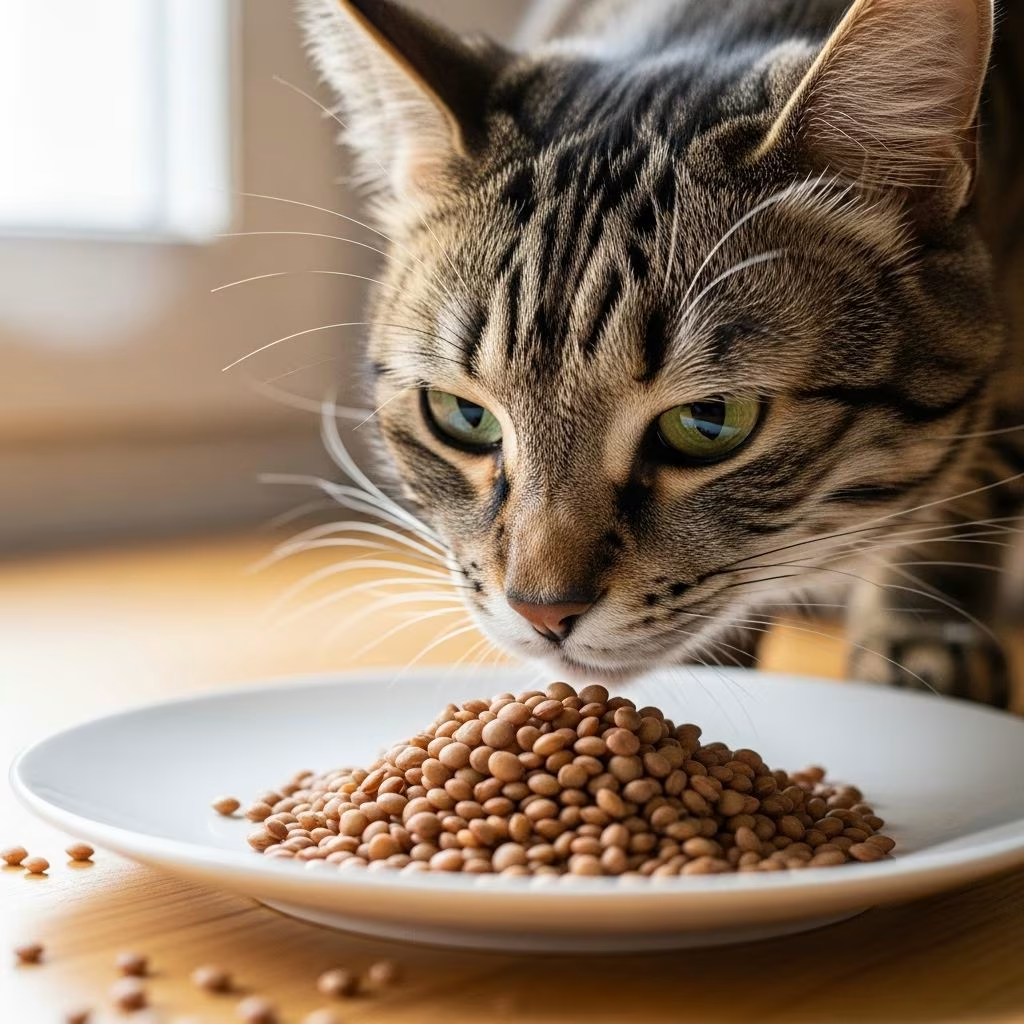
Can Cats Eat Lentils? Vet-Reviewed Nutritional Facts & FAQ
Many cat owners wonder whether lentils are a safe addition to their feline friend’s diet. With the growing trend of plant-based ingredients in pet foods, it’s natural to question whether your cat can benefit from foods like lentils. The short answer is yes—lentils are not toxic to cats and can be offered as an occasional treat. However, there are important considerations and guidelines you should follow to ensure your cat’s health and safety.
Lentils are commonly found in some commercial cat food formulations, which speaks to their general safety profile for felines. That said, cats have unique nutritional requirements that differ significantly from humans, and lentils shouldn’t become a dietary staple. Understanding the nuances of feeding lentils to your cat will help you make informed decisions about your pet’s nutrition and overall wellbeing.
Are Lentils Toxic to Cats?
One of the first questions cat owners ask is whether lentils pose any toxicity risk to their pets. The answer is reassuring: lentils are not toxic to cats. You don’t need to panic if your cat discovers a few lentils in your food bowl or accidentally consumes some. Lentils will not poison your cat, and they won’t cause immediate harm from a toxicity standpoint.
However, this doesn’t mean you should freely offer lentils to your cat without caution. While the lentils themselves are safe, the dishes they’re prepared in often contain ingredients that can be harmful to cats. For instance, lentil soup—a popular human dish—typically includes garlic and onions, both of which are toxic to cats and can cause damage to their red blood cells. If you find your cat has consumed lentil soup, it’s important to contact your veterinarian for professional guidance, even if they’ve only taken a few sips.
Are Lentils Healthy for Cats?
While lentils are not toxic, the question of whether they’re actually healthy for cats requires a more nuanced answer. Cats are obligate carnivores, which means their bodies are designed to derive most of their nutrients from animal-based proteins rather than plant-based sources. This fundamental biological difference is crucial when considering any non-meat addition to your cat’s diet.
That said, lentils do offer some nutritional benefits that may appeal to cat owners looking to supplement their pet’s diet:
- High protein content: Lentils contain substantial amounts of protein, making them nutrient-dense rather than empty calories. This can be beneficial when used as a minimal addition to your cat’s primary diet.
- Low caloric density: Lentils have a relatively low caloric content, which means they can help your cat feel full without adding excessive calories. This can be helpful for cats that struggle with weight management.
- Fiber content: The dietary fiber in lentils can support digestive health and may help with issues like constipation or hairballs in some cats.
- Essential nutrients: Lentils contain vitamins and minerals including folate, iron, and zinc that contribute to overall health.
Despite these nutritional attributes, it’s important to emphasize that lentils should only be offered to your cat as an occasional treat, not as a replacement for their primary nutrition. Your cat needs a complete and balanced diet specifically formulated for feline nutritional requirements. If you’re considering adding any foods to your cat’s meals, including lentils, consult with your veterinarian first to ensure it aligns with your individual cat’s health needs.
Risks of Feeding Your Cat Lentils
While lentils are generally safe, there are legitimate concerns about feeding them to cats in excess. Understanding these risks will help you make the best decision for your pet’s health.
Digestive Upset
One of the primary risks associated with lentil consumption in cats is digestive disturbance. Excessive lentil consumption can cause gas, bloating, diarrhea, or vomiting in some cats. Additionally, raw or undercooked lentils are particularly difficult for cats to digest and can lead to gastrointestinal upset or even blockages.
Fiber Content Concerns
The fiber in lentils presents a double-edged sword for feline health. While moderate fiber can benefit cats suffering from constipation or hairballs, excessive fiber consumption can have a laxative effect and make your cat sick. Cats naturally consume very little fiber in their wild diet, so their digestive systems aren’t adapted to process large amounts of it.
Anti-Nutrients and Nutrient Absorption
Lentils contain compounds called anti-nutrients, including lectins and phytates, which can interfere with nutrient absorption when consumed in large quantities. This means that while lentils offer some nutritional value, they can also inhibit your cat’s ability to absorb other essential nutrients.
Protein Deficiency Risk
While lentils contain protein, they don’t provide the complete amino acid profile that cats require. Cats need specific amino acids like taurine, which is found primarily in animal tissues. If you replace your cat’s animal protein sources with lentils, your cat could develop serious nutritional deficiencies and associated health problems.
Potential Allergies
Some cats may develop allergies or sensitivities to legumes like lentils. If your cat experiences itching, swelling, vomiting, or persistent digestive upset after consuming lentils, they may have a legume sensitivity. In such cases, discontinue lentil feeding immediately and consult your veterinarian.
How to Safely Feed Your Cat Lentils
If you’ve decided to offer your cat lentils as an occasional treat, following these guidelines will help minimize potential risks and ensure a positive experience.
Preparation Guidelines
- Always cook lentils thoroughly: Raw or undercooked lentils are hard to digest and pose digestive risks. Cook lentils until they are soft and easily digestible.
- Use plain water only: Cook lentils in water without adding salt, spices, garlic, onions, or any other seasonings. Many common cooking ingredients are toxic to cats.
- Rinse before cooking: Thoroughly rinse lentils to remove dirt and debris before cooking.
- Allow to cool completely: Always let cooked lentils cool to room temperature before serving to prevent burns or mouth discomfort.
- Avoid lentil products: Never offer your cat canned lentil soup or pre-made lentil dishes, as these typically contain harmful ingredients like garlic, onions, and excessive sodium.
Portion Control
When offering lentils to your cat, less is definitely more. A small teaspoon of plain, cooked lentils mixed with your cat’s regular food is an appropriate serving size. Treats, including lentils, should not comprise more than 10% of your cat’s daily caloric intake. Most of your cat’s nutrition should come from a complete and balanced cat food formula designed to meet feline nutritional requirements.
Introduction and Monitoring
When introducing lentils for the first time, start with a very small amount mixed into your cat’s regular food. Monitor your cat closely for any adverse reactions over the next 24-48 hours. Watch for signs of digestive upset, vomiting, diarrhea, or allergic reactions. If your cat shows any negative symptoms, discontinue lentil feeding immediately and consult your veterinarian.
Can Cats Eat Lentil Soup?
While plain cooked lentils can be safely offered to cats in moderation, lentil soup is a different story entirely. Lentil soup is not recommended for cats, even though a small taste is unlikely to cause poisoning.
The primary issue with lentil soup is the ingredients used in the broth. Most lentil soup recipes include garlic and onions, both of which are toxic to cats and can cause serious health problems including gastrointestinal upset and damage to red blood cells. Many commercial lentil soups also contain excessive sodium and other seasonings that can be harmful to feline health.
Even if a lentil soup doesn’t contain obvious toxic ingredients, broths often include other seasonings and cooking methods that aren’t appropriate for cats. If your cat has consumed lentil soup, contact your veterinarian immediately for advice on whether your cat needs medical attention.
Understanding Your Cat’s Nutritional Needs
To put the lentil question in proper context, it’s important to understand what your cat’s body actually requires. Cats evolved as carnivores, and their nutritional requirements reflect this evolutionary history. Unlike humans or even dogs, cats have specific needs that can only be adequately met through an animal-protein-based diet.
Your cat requires all their essential nutrients from a specifically formulated complete and balanced cat food. Commercial cat foods are developed with veterinary nutritional science to ensure they provide everything your cat needs to thrive. While occasional treats like plain lentils can add variety, they should never replace your cat’s primary nutrition source or compromise the nutritional balance of their overall diet.
When to Consult Your Veterinarian
Before making any significant changes to your cat’s diet, including adding lentils or other new foods, consult with your veterinarian. This is especially important if your cat has any existing health conditions, is overweight, or is on a special diet prescribed by your vet. Your veterinarian can assess your individual cat’s health status and provide personalized recommendations about whether lentils are appropriate for your specific pet.
If your cat accidentally ingests lentil soup or exhibits any signs of digestive upset, allergic reaction, or unusual behavior after eating lentils, contact your veterinarian promptly. Quick professional advice can prevent minor incidents from becoming serious health issues.
Frequently Asked Questions
Q: Can raw lentils harm my cat?
A: Yes, raw lentils are difficult for cats to digest and can cause stomach upset, digestive blockages, or other gastrointestinal problems. Always cook lentils thoroughly and completely before offering them to your cat.
Q: How much lentil can I feed my cat?
A: Feed lentils very sparingly—typically just a teaspoon or less mixed with your cat’s regular food. Treats should not exceed 10% of your cat’s daily caloric intake. Lentils should be an occasional supplement, not a regular food item.
Q: Are lentils better than commercial cat food?
A: No, commercial cat foods are specifically formulated to meet all of your cat’s nutritional requirements, whereas lentils lack essential nutrients cats need for optimal health. Cat food is always the better choice for your cat’s primary nutrition.
Q: Can lentils cause allergies in cats?
A: Yes, some cats may develop allergies or sensitivities to legumes like lentils. Watch carefully for signs of itching, swelling, vomiting, or digestive problems after feeding lentils. If your cat shows any adverse reactions, stop offering lentils and contact your veterinarian.
Q: What ingredients in lentil soup are toxic to cats?
A: Garlic and onions are the primary toxic ingredients in lentil soup. Both can cause damage to a cat’s red blood cells and cause serious gastrointestinal upset. Other seasonings and high sodium content also make lentil soup unsuitable for cats.
Q: Should I add lentils to my cat’s homemade food?
A: Only with veterinary approval. If you’re preparing homemade cat food, work with your veterinarian to ensure the diet is nutritionally complete and balanced. Lentils should never be a primary ingredient in homemade feline diets.
Conclusion
While cats can technically eat lentils, moderation is absolutely key to ensuring your cat’s safety and health. Lentils are not toxic to cats, and they do contain some nutritional value, but they are not a necessary or ideal part of your cat’s diet. Your cat needs animal-based proteins to thrive, and lentils should only be offered as occasional supplements or treats if at all.
If you choose to offer your cat plain, thoroughly cooked lentils, do so sparingly and monitor your cat closely for any adverse reactions. Always prioritize a balanced diet of complete and balanced cat food formulated specifically for feline nutritional needs. Remember that your cat’s nutritional requirements reflect their evolutionary nature as obligate carnivores, and plant-based foods like lentils can never adequately replace animal proteins.
When in doubt, consult your veterinarian. They can provide personalized guidance based on your cat’s individual health status, age, weight, and any existing medical conditions. By following these guidelines and maintaining open communication with your veterinary healthcare provider, you can ensure your beloved cat receives optimal nutrition while safely enjoying the occasional treat.
References
- Can Cats Eat Lentils? Vet-Reviewed Nutritional Facts & FAQ — Catster. Accessed January 14, 2026. https://www.catster.com/nutrition/can-cats-eat-lentils/
- Can Cats Eat Lentils? Safety & Nutrition Guide — Zoorithm. https://www.zoorithm.com/cats/can-cat-eat-lentil
- Can Cats Eat Lentils? Vet-Reviewed Nutrition Facts & FAQ — Hepper. https://articles.hepper.com/can-cats-eat-lentils/



