

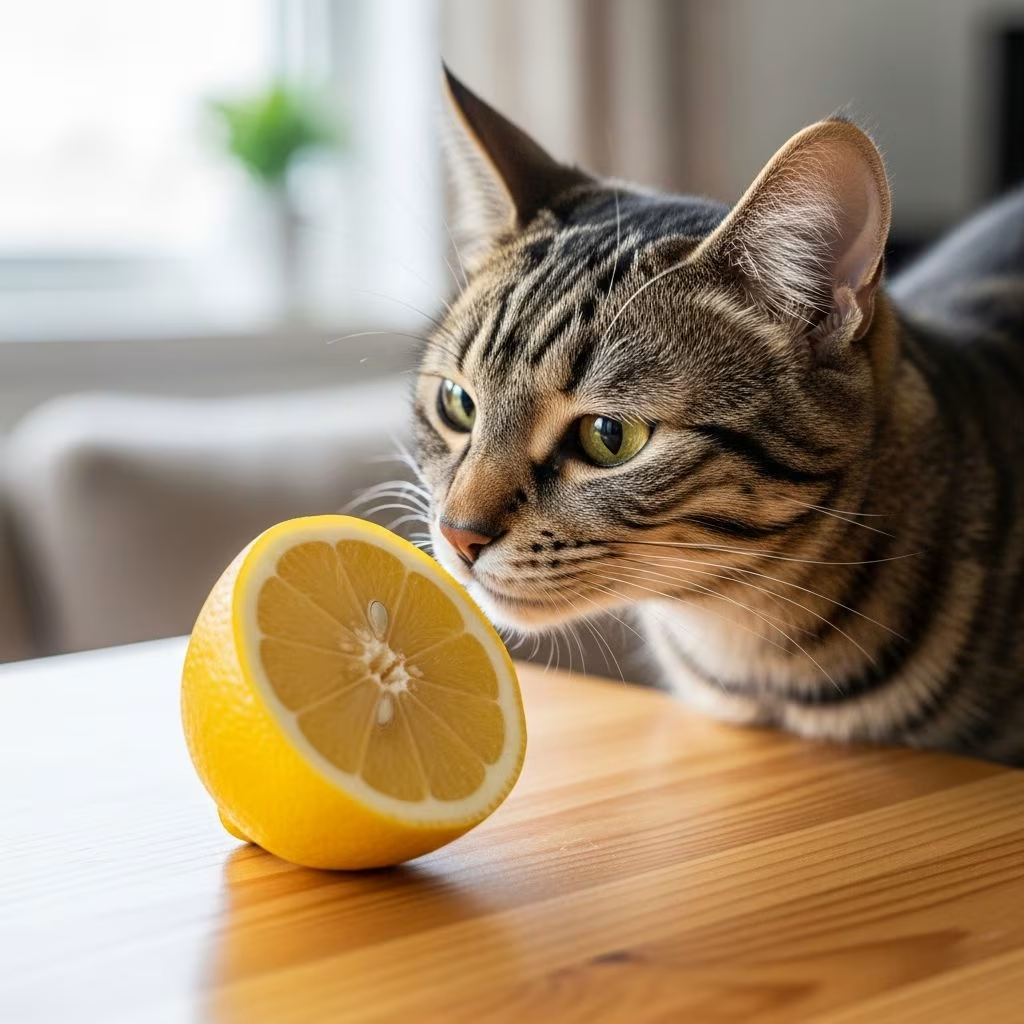
Lemons offer a zesty burst of flavor and nutrition for humans, packed with vitamin C and antioxidants, but they pose significant risks for cats. While the flesh might be tolerated in tiny amounts by some felines, the peels, rinds, and other parts contain toxic compounds like essential oils (limonene and linalool) and psoralens that can cause gastrointestinal distress, skin irritation, and neurological symptoms. Cats’ sensitive systems lack enzymes to metabolize these substances effectively, making lemons unsafe overall. Always opt for cat-specific treats instead of sharing human foods like citrus.
Nutrition Facts About Lemons for Cats
Lemons come from the Citrus limon tree, thriving in warm climates and known for their tart, acidic profile. They’re rich in vitamin C, citric acid, fiber, water, and antioxidants—nutrients that sound beneficial but are unnecessary for cats on balanced commercial diets. Cats are obligate carnivores, deriving most needs from meat-based proteins, so lemon’s perks don’t outweigh the dangers.
- Vitamin C: Cats produce their own, unlike humans, so supplementation is redundant.
- Citric Acid: High levels irritate the digestive tract.
- Fiber and Water: Available in safer forms like plain cooked pumpkin.
- Antioxidants: Better sourced from vet-approved supplements if needed.
These elements might tempt owners to share, but lemons’ strong citrus scent repels most cats naturally, acting as a built-in deterrent.
Are Lemons Good for Cats?
No, lemons are not good for cats due to their toxicity profile and lack of appeal. The potent aroma overwhelms feline senses of smell and taste, which are far more acute than ours—cats often recoil from citrus odors. Even if a cat shows curiosity, ingesting lemons introduces risks far beyond minimal nutritional gains.
Complete cat foods provide all essential vitamins and minerals, rendering lemon treats obsolete. Sharing table scraps like lemons disrupts dietary balance and invites health issues. Safer joys come from play or approved chews.
Are Lemons Completely Safe for Cats?
Lemons are not completely safe for cats. While a rare lick of flesh might cause only mild upset in tolerant cats, peels, rinds, leaves, and concentrated forms (e.g., essential oils) harbor dangers. Key concerns include:
- Toxic Compounds: Essential oils like limonene and linalool irritate the gut and skin; psoralens trigger photosensitivity, leading to burns or dermatitis upon sun exposure.
- High Acidity: Citric acid erodes tooth enamel and alters urine pH, risking urinary tract issues with repeated exposure.
- Concentration Risks: Lemon-scented cleaners, oils, or pesticides amplify toxicity.
Most cats self-avoid due to taste and smell, but curious kittens or multi-pet homes heighten accidental ingestion risks. Store citrus securely.
Why Are Lemons Toxic to Cats?
Lemons’ toxicity stems from compounds cats can’t process: essential oils (limonene, linalool) in peels and juice provoke digestive and dermal reactions; psoralens cause phototoxic burns; citric acid induces vomiting and diarrhea. Cats’ livers lack glucuronyl transferase enzyme for detoxification, amplifying effects even from small doses.
| Compound | Location in Lemon | Effects on Cats |
|---|---|---|
| Limonene & Linalool | Peel, Juice, Rind | Gut irritation, drooling, CNS depression |
| Psoralens | Peel, Plant Parts | Skin burns, photosensitivity |
| Citric Acid | Flesh, Juice | Vomiting, diarrhea, enamel damage |
Severity scales with quantity: a nibble might yield mild symptoms, but peels or oils can escalate to tremors or collapse.
Signs of Lemon Toxicity in Cats
Monitor for prompt intervention if lemon contact occurs. Symptoms vary by exposure but often onset rapidly:
- Mild: Excessive drooling, lip smacking, mild vomiting, diarrhea.
- Moderate: Lethargy, weakness, loss of appetite, skin redness.
- Severe: Tremors, difficulty breathing, collapse, photosensitive burns.
Topical exposure (juice on fur) plus sunlight worsens dermatitis. Contact a vet immediately—induce vomiting only under guidance.
What to Do If Your Cat Eats a Lemon
Act fast: remove remnants, note amount ingested, and call a vet or poison hotline (e.g., ASPCA at 888-426-4435). Provide water to dilute; avoid home remedies like milk, which worsen issues. Vets may induce vomiting, administer activated charcoal, or support with IV fluids. Prognosis excels with early treatment—most recover fully.
Are Any Citrus Fruits Safe for Cats?
No citrus fruits are truly safe, including limes, oranges, grapefruits— all share toxic oils and psoralens. Flesh is least risky in micro-amounts but still unwise; avoid entirely.
Safe Fruit Alternatives (in Moderation):
- Blueberries: Antioxidants, low calorie.
- Watermelon (seedless, rindless): Hydrating.
- Apple slices (no seeds/core): Fiber boost.
- Cantaloupe (small pieces): Vitamin A.
- Banana (tiny bits): Potassium.
Limit treats to 10% of diet; prioritize vet-formulated foods.
Lemon Products to Avoid
Beyond fresh lemons, steer clear of:
- Lemon essential oils/diffusers: Highly concentrated toxins.
- Lemon-flavored foods/treats: Sugars and additives compound harm.
- Citrus cleaners/candles: Inhalation risks respiratory irritation.
- Lemon tree plants: Leaves and branches toxic.
Preventing Lemon Exposure
Secure counters, use pet-proof storage, opt for citrus-free cleaners. Train with commands; provide engaging toys to curb curiosity. Educate household on risks.
Frequently Asked Questions (FAQs)
Q: Can cats eat lemon flesh?
A: Tiny amounts might not harm but risk acidity issues; peels are outright toxic—best avoided entirely.
Q: What if my cat licks a lemon?
A: Expect drooling or upset stomach; monitor and vet if symptoms persist beyond mild.
Q: Are lemon trees poisonous to cats?
A: Yes, leaves, branches contain psoralens—keep plants inaccessible.
Q: Can cats have lemon juice?
A: No, concentrated citric acid and oils cause severe GI distress.
Q: What fruits are safe for cats?
A: Blueberries, seedless watermelon, apple bits—always small portions, no citrus.
Q: Is lemon scent safe around cats?
A: No, avoid lemon products; fumes irritate sensitive noses.
References
- Can Cats Eat Lemons? Risks and Safety Concerns — Dial A Vet. 2023. https://www.dialavet.com/blog/can-cats-eat-lemons
- Can Cats Have Lemons? Safety, Risks, and What to Do — Basepaws. 2023. https://basepaws.com/blog/can-cats-have-lemons
- Can Cats Eat Lemons? Human Food for Cats — Kinship. 2024. https://www.kinship.com/cat-nutrition/can-cats-eat-lemons
- What Fruits Can Cats Eat? 19 Fruits Safe for Cats — PetMD. 2024-01-15. https://www.petmd.com/cat/nutrition/which-fruits-can-cats-eat
- Can Cats Eat Lemon? Vet-Verified Facts & FAQ — Catster. 2024. https://www.catster.com/nutrition/can-cats-eat-lemon/
- Lemon Poisoning in Cats – Symptoms, Causes, Diagnosis — WagWalking. 2023. https://wagwalking.com/cat/condition/lemon-poisoning



