

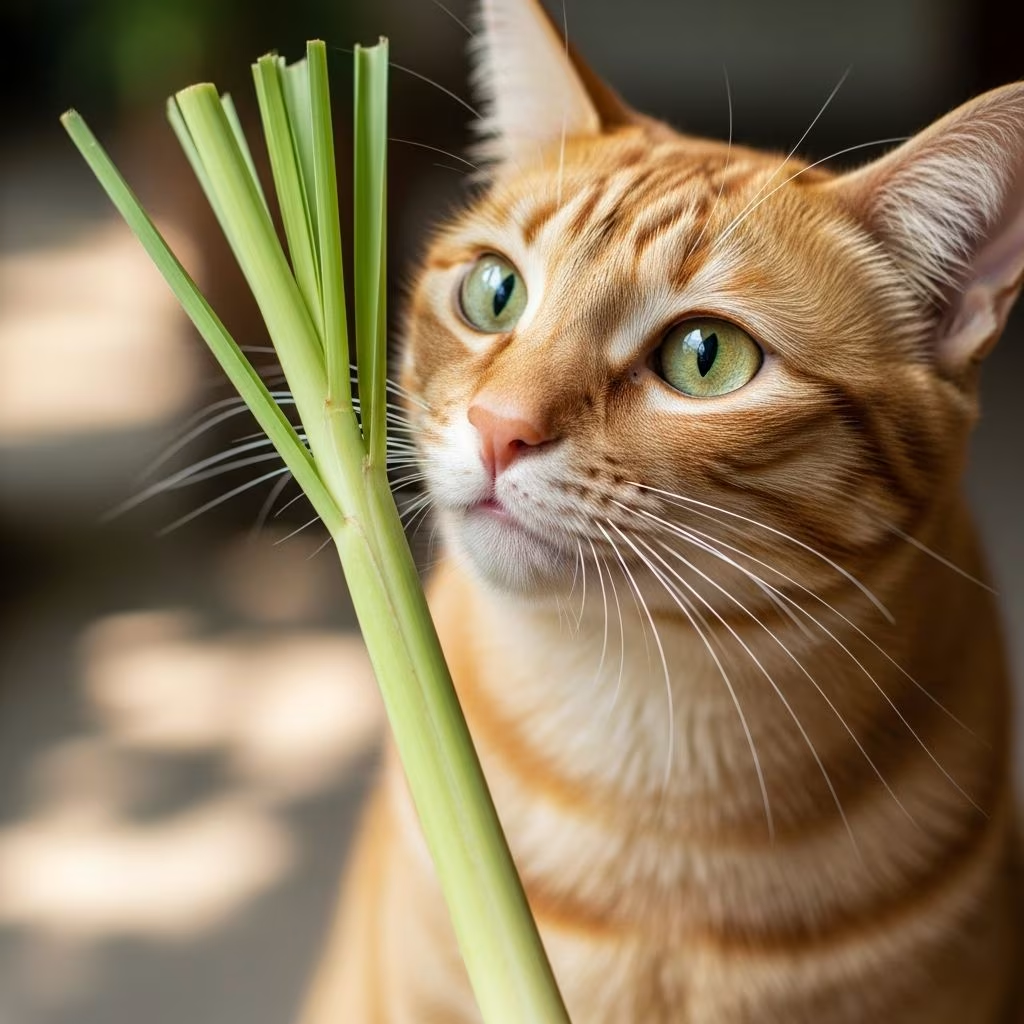
Lemongrass (*Cymbopogon citratus*) is a popular herb used in cooking, teas, and aromatherapy, but cat owners often wonder about its safety for feline friends. While fresh lemongrass is generally non-toxic in small amounts according to the ASPCA, concentrated forms like essential oils pose significant risks. This vet-reviewed article explores the safety of lemongrass for cats across various forms, potential health effects, symptoms of exposure, treatment options, prevention strategies, and safer alternatives.
What Is Lemongrass?
Lemongrass is a tropical grass native to Southeast Asia, prized for its citrusy flavor and aroma derived from compounds like citral and cyanogenic glycosides. It’s commonly grown as a culinary herb, in gardens, or processed into teas, dried spices, and essential oils. The plant features long, blade-like leaves and fibrous stalks, which cats might find appealing to nibble due to their grass-like appearance.
In households, lemongrass appears in multiple forms: fresh plants from gardens or pots, dried herbs in pantries, essential oils in diffusers, and even insect repellents. While humans enjoy its benefits for digestion and relaxation, cats’ unique metabolism—lacking certain liver enzymes—makes them vulnerable to its concentrated compounds.
Is Lemongrass Safe for Cats?
The ASPCA classifies lemongrass as non-toxic to cats in its fresh plant form, meaning small nibbles rarely cause serious harm. However, it’s only mildly toxic, and overconsumption or exposure to processed versions can lead to gastrointestinal upset. Veterinary sources emphasize that while occasional tasting is low-risk, it’s not recommended as a regular treat due to potential sensitivities.
Cats with pre-existing conditions, kittens, or seniors may react more strongly. Factors like quantity ingested and individual tolerance play key roles in outcomes.
Can Cats Eat Different Forms of Lemongrass?
Not all lemongrass forms are equal in safety. Here’s a breakdown:
| Lemongrass Form | Risk Level | Key Concerns | Safe Exposure Guidelines |
|---|---|---|---|
| Fresh Plant (Leaves/Stems) | Low | Mild digestive upset (vomiting, diarrhea) | Occasional nibbling okay; monitor closely |
| Dried Lemongrass | Moderate | Higher compound concentration; stomach issues | Limit access; avoid feeding |
| Essential Oil | High | Citral toxicity, liver damage, respiratory issues | Completely avoid; toxic even in diffusion |
| Lemongrass-Based Repellents | High | Added chemicals; skin/ingestion risks | Keep cats away until dry |
Fresh lemongrass poses the least threat, but its fibrous nature can cause intestinal blockages if eaten excessively, especially in avid grass-chewing cats. Essential oils are 50-100 times more concentrated, amplifying dangers through inhalation, ingestion during grooming, or skin absorption.
Effects of Lemongrass on Cats
When cats ingest lemongrass, effects vary by dose and form. Mild cases from fresh plant involve stomach upset due to cyanogenic glycosides, which release small amounts of cyanide harmless in tiny doses but problematic in excess.
- Gastrointestinal: Vomiting, diarrhea, drooling, loss of appetite—most common from fresh or dried forms.
- Neurological/Behavioral: Lethargy, tremors (rare, from oils).
- Respiratory: Difficulty breathing from diffused oils.
- Long-term: Potential liver strain from repeated concentrated exposure.
Symptoms typically appear within hours, with mild ones resolving in 24-48 hours. Sensitive cats or those with pica (compulsive eating) face higher risks.
Symptoms of Lemongrass Poisoning in Cats
Recognize these signs promptly:
- Mild (Fresh Plant): Vomiting, diarrhea, excessive drooling, reduced appetite.
- Severe (Oils/Concentrates): Lethargy, tremors, breathing difficulties, jaundice (liver signs) 12-72 hours post-exposure.
- Allergy Indicators: Itching, sneezing, red skin.
If symptoms persist beyond 12 hours or worsen, seek veterinary care immediately.
What to Do If Your Cat Eats Lemongrass
Act based on exposure:
- Assess Amount/Form: Fresh small nibble? Monitor 24 hours.
- Fresh/Dried Ingestion: Withhold food briefly; offer water. Call vet if vomiting >2x or diarrhea persists.
- Essential Oil Contact: Wipe fur with damp cloth (no soap); fresh air for inhalation. Rush to vet or ASPCA Poison Control.
- Monitor Closely: Track symptoms; induce vomiting only under vet guidance.
Most recover fully with prompt care, as toxicity is mild.
Do Cats Recover from Lemongrass Poisoning?
Yes, recovery is typical for mild cases with supportive care like fluids and anti-nausea meds. Severe oil exposures may require hospitalization, but prognosis is good if treated early. Prevent recurrence by removing access. Underlying issues like pica should be vet-evaluated.
How to Prevent Lemongrass Poisoning in Cats
- Place plants in inaccessible spots or use barriers.
- Store oils/dried herbs securely.
- Avoid diffusers in cat areas.
- Opt for cat-safe repellents.
- Provide alternatives like wheatgrass.
Cat-Safe Alternatives to Lemongrass
- Cat Grass: Wheat, oat, or barley—digestible and promotes hairball control.
- Catnip: Stimulates play without toxicity.
- Spider Plant/Valerian: Safe nibble options.
- Avoid true lilies, aloe, and other toxics.
These satisfy chewing instincts safely.
Frequently Asked Questions (FAQs)
Is lemongrass toxic to cats?
Fresh lemongrass is non-toxic in small amounts per ASPCA, but mildly toxic overall; essential oils are highly dangerous.
Can kittens eat lemongrass?
No—kittens are more vulnerable due to size and developing systems; keep away.
What if my cat ate lemongrass essential oil?
Seek immediate vet care; risks include liver damage.
Is dried lemongrass safe for cats?
Moderate risk—higher concentration; better avoided.
Why do cats eat lemongrass?
Instinctual grass-chewing for digestion or curiosity; redirect to safe plants.
Conclusion
While fresh lemongrass isn’t highly toxic, it’s best avoided for cats due to upset risks and oil dangers. Prioritize supervision, prevention, and safe alternatives for a healthier feline environment. Consult your vet for personalized advice.
References
- Is Lemongrass Safe for Cats? Vet-Approved Safety Guide — Alibaba Spice Basics. 2024. https://spice.alibaba.com/spice-basics/is-lemongrass-safe-for-cats
- Can Cats Eat Lemongrass? Vet-Verified Facts — Huston Veterinary Clinic. 2024. https://hustonveterinary.com/can-cats-eat-lemongrass/
- Cat Eating Lemongrass: Is It Safe? — Dial A Vet. 2024. https://www.dialavet.com/vet-answers/cat-eating-lemongrass-safe-14786
- Can Cats Eat Lemongrass? Vet-Reviewed Facts & FAQ — Catster. 2024. https://www.catster.com/cat-health-care/can-cats-eat-lemongrass/
- Can Cats Eat Lemongrass? Vet-Reviewed Facts & FAQ — Hepper. 2024. https://articles.hepper.com/can-cats-eat-lemongrass/
- Lemon Grass – Toxic and Non-toxic Plants — ASPCA. 2024. https://www.aspca.org/pet-care/aspca-poison-control/toxic-and-non-toxic-plants/lemon-grass



