

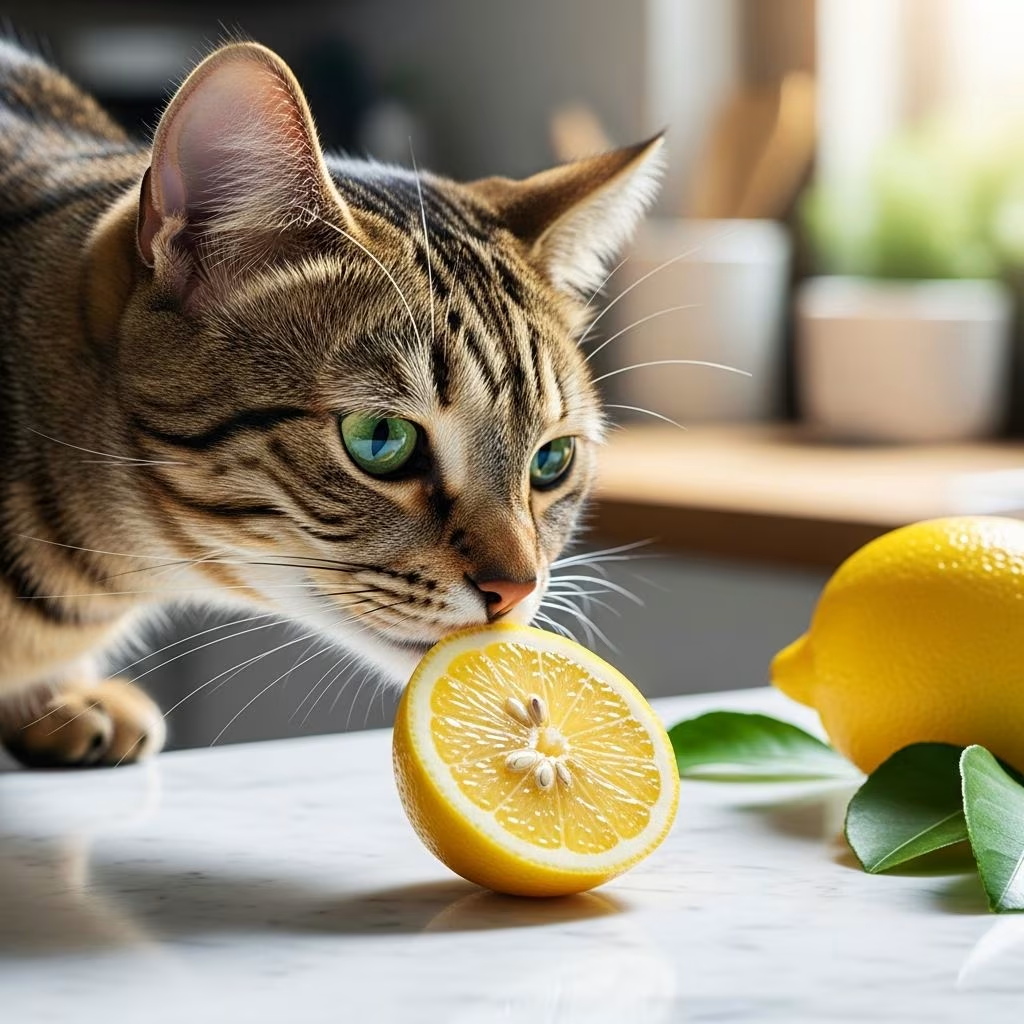
Can Cats Eat Lemon? A Complete Guide to Citrus Safety for Felines
Lemons are a kitchen staple for many households—tart, bright, and packed with vitamin C, they add zest to salads, marinades, teas, and desserts. But when it comes to our feline companions, an important question arises: Can cats have lemons? The answer is clear and unequivocal: no, cats should never eat lemons. While these citrus fruits are healthy and beneficial for humans, they contain compounds that are toxic to felines and can pose serious health risks.
Why Are Lemons Toxic to Cats?
Lemons contain several compounds that cats cannot safely metabolize. Understanding these toxic substances is crucial for protecting your feline friend from accidental exposure.
Essential Oils in Lemons
The primary culprits behind lemon toxicity are essential oils, specifically limonene and linalool. Cats lack the necessary enzymes to break down these compounds, making them particularly vulnerable to their effects. Even small amounts of these oils can upset a cat’s digestive system, leading to drooling, vomiting, or diarrhea. The citrus aroma that smells refreshing and pleasant to humans comes directly from these essential oils, making the scent itself potentially harmful when inhaled or ingested by cats.
Psoralens and Phototoxicity
Beyond essential oils, lemons also contain psoralens, chemicals that can cause phototoxicity in cats. This means that if a cat’s skin comes into contact with lemon juice or peel and is subsequently exposed to sunlight, the cat may experience irritation, redness, or even burns. This dual mechanism of toxicity—both internal and external—makes lemons especially dangerous for curious felines.
High Acidity
Lemons are extremely acidic, which poses another significant risk. Even tiny amounts of lemon ingestion can cause stomach upset due to this acidity. If a cat consumes a larger quantity, it could result in excessive acid buildup in the body, leading to a serious condition called metabolic acidosis. Additionally, the high acidity can trigger acid reflux in cats and irritate any sores or cuts they might have in or around the mouth.
How Toxic Are Lemons to Cats?
According to the ASPCA, all citrus fruits—including lemons—are considered toxic to cats. The toxic compounds can affect both the digestive and nervous systems. Because cats lack the enzymes needed to break these compounds down, ingestion can range from causing mild symptoms to severe reactions.
The severity of lemon toxicity depends largely on:
- Amount ingested: A single lick or small nibble may cause mild symptoms, while larger quantities can result in more serious health complications.
- Part of lemon consumed: Lemon peel is more dangerous than lemon juice because it contains higher concentrations of essential oils.
- Individual cat sensitivity: Some cats may be more sensitive to citrus toxins than others.
Fortunately, a single lick or brief exposure to a small amount of lemon is unlikely to cause severe harm, though it may still trigger mild digestive upset. However, this should never be taken as permission to allow lemon exposure—consistent avoidance is the safest approach.
Symptoms of Lemon Poisoning in Cats
If your cat has ingested lemon or a lemon-containing product, watch for the following symptoms of poisoning:
- Excessive drooling
- Vomiting
- Diarrhea
- Lethargy or depression
- Weakness
- Tremors
- Photosensitivity or skin irritation and rash
- Cold limbs
- Loss of appetite
- Respiratory distress
- In severe cases: liver damage, liver failure, collapse, or low blood pressure
The onset and severity of symptoms depend on the amount of lemon your cat consumed and which part of the fruit was ingested. Even if your cat shows only mild symptoms like drooling or slight vomiting, contact your veterinarian for guidance.
What to Do If Your Cat Eats Lemon
If you suspect your cat has ingested lemon or a lemon-containing product, take the following steps:
- Do not panic: Small exposures are unlikely to be life-threatening.
- Assess the situation: Determine how much lemon was consumed and which part (juice vs. peel).
- Contact your veterinarian: Call your vet or the Pet Poison Helpline immediately for professional guidance.
- Do not induce vomiting: Unless explicitly instructed by a veterinarian or poison control, do not attempt to make your cat vomit, as this could worsen the condition.
- Monitor symptoms: Watch your cat closely for any signs of distress or poisoning symptoms.
- Provide supportive care: Follow your veterinarian’s recommendations for treatment, which may include IV fluids, anti-nausea medications, or other supportive measures.
Do Cats Like Lemons?
The good news is that cats naturally dislike lemons. The scent of a lemon is enough to make most cats turn their nose up at this tangy, yellow fruit. While pleasant and refreshing to humans, the zesty scent is off-putting to feline friends. Cats have an extremely sensitive sense of smell—far more acute than humans—and they instinctively avoid odors linked to potentially harmful substances.
This natural aversion to citrus actually provides some protection against accidental poisoning. In most cases, cats will actively avoid lemons and other citrus fruits because they find the smell unpleasant. Some people even use citrus scents as a natural cat deterrent to keep cats away from certain areas of the home or garden.
Other Citrus Fruits to Avoid
Lemon toxicity is not unique among citrus fruits. All citrus fruits are mildly toxic to cats, including:
- Limes
- Oranges
- Grapefruits
- Mandarins
- Tangerines
Each of these fruits contains linalool, limonene, and psoralens—the same toxic compounds found in lemons. Therefore, your cat should avoid all citrus fruits entirely.
Lemon-Flavored Foods and Products to Avoid
Beyond fresh lemons, you should also keep your cat away from any foods or products that contain lemon as an ingredient. These include:
- Lemon water or lemonade
- Lemon juice
- Lemon-flavored yogurt or desserts
- Lemon cake or pastries
- Lemon chicken or other lemon-seasoned dishes
- Lemon-scented cleaning products
- Lemon potpourri
- Lemon-scented candles
- Lemon essential oils
Even trace amounts of lemon flavoring or citrus oils can trigger symptoms in sensitive cats. Additionally, lemon-scented household products may contain concentrated oils that are especially hazardous if your cat comes into contact with them or inhales the fumes.
How to Protect Your Cat from Lemon Exposure
Keeping lemons and lemon products away from your cat is the best prevention strategy. Here are practical steps to reduce the risk of accidental exposure:
- Store lemons securely: Keep lemons and other citrus fruits in sealed containers or in areas your cat cannot access, such as a high pantry shelf or closed refrigerator.
- Avoid countertop fruit bowls: Do not leave lemons in open fruit bowls on kitchen countertops where curious cats can investigate.
- Clean up spills promptly: If you spill lemon juice or drop a slice of lemon, clean it up immediately.
- Be mindful of food prep: When preparing meals with lemon, ensure your cat is not present and cannot access cutting boards or ingredients.
- Secure lemon-scented products: Store lemon-scented cleaning products, candles, and essential oils in locked cabinets or areas out of reach.
- Supervise snack time: Never leave lemon-containing foods unattended where your cat might sneak a bite.
- Check ingredients: When giving your cat any human food, verify that it does not contain lemon or citrus ingredients.
Can Cats Drink Lemon Water?
Absolutely not. While lemon water is often touted for its many health benefits in humans, there is no benefit to adding lemon to your cat’s water, and it can do considerable harm. Even a small amount of lemon juice can cause gastrointestinal symptoms in felines. The acidity and essential oils in lemon water pose the same risks as fresh lemon, making it an unsuitable beverage for cats. Cats should only drink fresh, clean water.
Is Lemon Potpourri Safe for Cats?
No, lemon potpourri is not safe for cats to smell or encounter. Potpourri concentrates the natural oils found in lemons and other botanicals, making them even more potent and hazardous. If your cat inhales the scent of lemon potpourri or comes into contact with it, they could experience respiratory distress, skin irritation, or other symptoms of toxicity. It is best to avoid lemon-scented potpourri entirely if you have cats in your home.
Frequently Asked Questions
Q: Can cats have lemons? Are cats allergic to lemon?
A: No. Cats should never eat lemons. Rather than a true allergy, lemons are toxic to cats because their bodies cannot properly metabolize the citric acid, essential oils, and other compounds found in citrus. Ingesting even small amounts can cause digestive upset or more serious health issues.
Q: How much lemon is toxic to a cat?
A: Even small amounts can cause mild symptoms, though the severity depends on quantity. A single lick of lemon juice may cause only mild drooling or stomach upset, while larger quantities can lead to vomiting, diarrhea, tremors, or more severe complications. The safest approach is to prevent all lemon exposure.
Q: Do cats like lemons?
A: Generally, no. Cats dislike the strong, zesty scent of lemons. Their sense of smell is far more sensitive than ours, and they instinctively avoid odors linked to potentially harmful substances. In fact, some people even use citrus scents as a natural cat deterrent.
Q: Can I put lemon in my cat’s water?
A: No, you should never add lemon to your cat’s water. Even a small amount of lemon juice can cause gastrointestinal symptoms. Cats should only drink fresh, clean water.
Q: Is citrus poisonous to cats?
A: Yes, all citrus fruits are mildly toxic to cats. Lemons, limes, oranges, grapefruits, and other citrus fruits contain the same harmful compounds—limonene, linalool, and psoralens—that make them unsafe for feline consumption.
Q: Can cats eat lemon yogurt?
A: No, cats should not eat lemon yogurt. While plain yogurt might be acceptable in small amounts for some cats, the lemon flavoring makes it toxic. Avoid any lemon-flavored or lemon-containing products for your cat.
Q: What should I do if my cat eats lemon?
A: If your cat ingests lemon, do not panic, as a small amount is unlikely to be life-threatening. However, contact your veterinarian or the Pet Poison Helpline immediately for guidance. Do not induce vomiting unless instructed by a professional. Monitor your cat for symptoms and seek emergency care if signs of serious poisoning appear.
Conclusion
So, can cats eat lemons? The answer is definitively no. Cats and lemons are a dangerous combination. Citrus fruits—especially the rind and peel—contain essential oils, psoralens, and other aromatic compounds that are toxic to felines. While lemon poisoning is relatively rare and rarely fatal, it is still important that you don’t take any chances with your cat’s health.
To reduce the risk of accidental exposure, always store lemons and other citrus fruits in sealed containers or places your cat cannot reach. Likewise, avoid giving your pet any human foods that contain lemon flavoring or citrus ingredients. By taking these precautions and maintaining awareness of what your cat has access to, you can help ensure your feline companion stays safe and healthy for years to come.
References
- Can Cats Have Lemons? Safety, Risks, and What to Do — Basepaws. 2024. https://basepaws.com/blog/can-cats-have-lemons
- Can Cats Eat Lemon? — Wag Walking. 2024. https://wagwalking.com/wellness/can-cats-eat-lemon
- Can Cats Drink Lemonade? Vet Reviewed Health Risks & FAQ — Catster. 2024. https://www.catster.com/nutrition/can-cats-drink-lemonade/
- Do Cats Like the Scent of Lemon? Vet Reviewed Facts — Catster. 2024. https://www.catster.com/cat-health-care/do-cats-like-the-scent-of-lemon/
- Seven Toxic Foods That Your Cat Should Avoid — NexGard SPECTRA. 2024. https://nexgard.com.au/pet-care/cat-care/toxic-foods
- ASPCA Toxic and Non-Toxic Plants: Citrus — ASPCA. https://www.aspca.org/pet-care/animal-poison-control



