

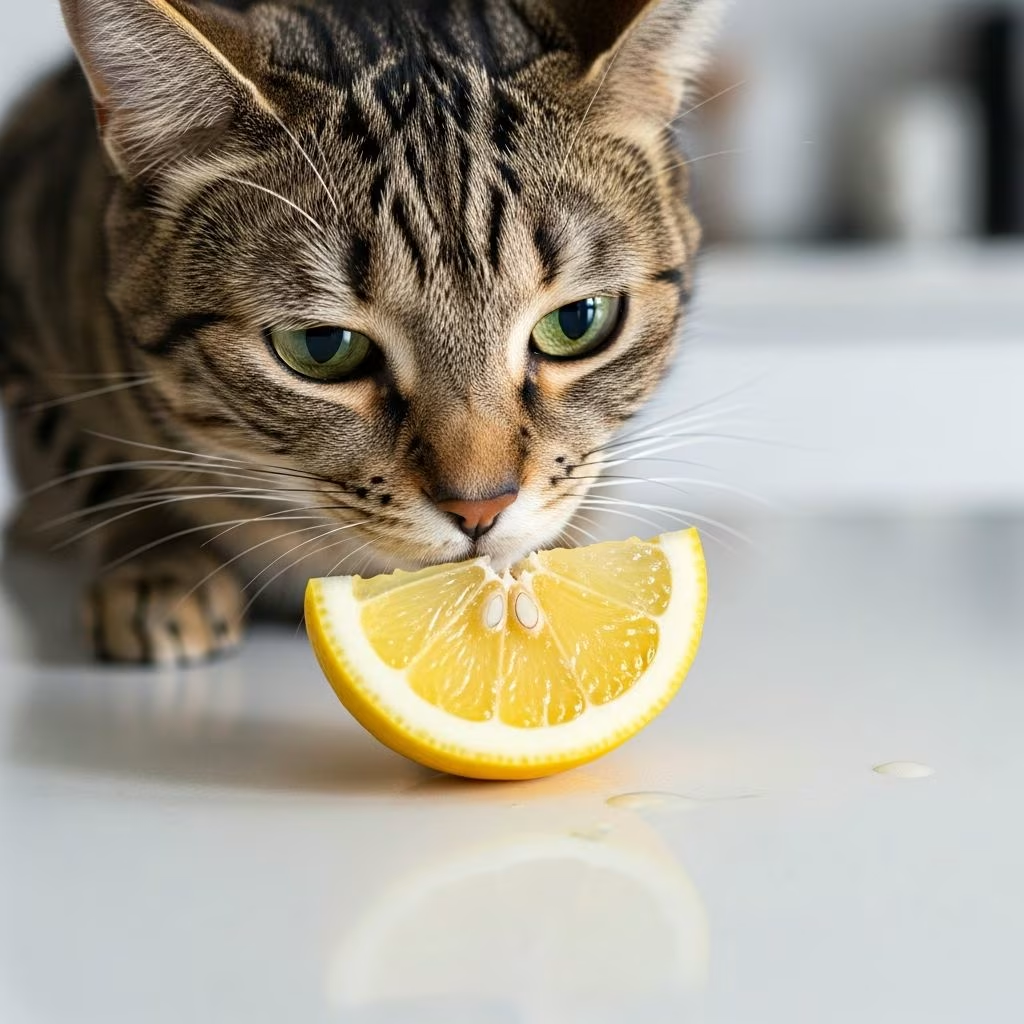
Lemons offer a burst of flavor and vitamin C for humans, but they pose serious dangers to cats. The essential oils, citric acid, and psoralens in lemons make them toxic to felines, potentially causing gastrointestinal distress, skin irritation, or worse. This comprehensive guide explores why cats cannot safely consume lemons, symptoms of poisoning, what to do in an emergency, and safer alternatives.
The Dangers of Lemons for Cats
Cats lack the necessary enzymes to metabolize compounds like limonene, linalool, and psoralens found in lemons. These substances irritate the digestive tract and can lead to phototoxicity, where sunlight exposure after contact causes burns or rashes. Even small amounts from a lick or nibble can trigger reactions because cats are obligate carnivores with sensitive systems not adapted to plant-based acids and oils.
Lemon peels are particularly hazardous, concentrating these toxins. The pulp and juice, while less potent, still carry risks due to high acidity, which disrupts a cat’s stomach pH balance. Veterinary sources confirm citrus fruits like lemons rank among common household toxins for pets.
Is Lemon Toxic to Cats?
Yes, lemons are toxic to cats, as classified by the ASPCA and veterinary experts. Toxicity affects the gastrointestinal, nervous, and dermal systems. Mild cases involve drooling and vomiting; severe ingestion may cause tremors, low blood pressure, or collapse.
The toxicity stems from:
- Essential oils (limonene and linalool): Cause central nervous system depression and GI upset.
- Psoralens: Induce photosensitivity, leading to skin burns upon UV exposure.
- Citric acid: Triggers acidosis and reflux in high doses.
While fatal outcomes are rare with small exposures, repeated or large ingestions demand immediate veterinary care.
Nutritional Value of Lemons for Cats vs. Humans
Humans benefit from lemons’ vitamin C, antioxidants, and flavonoids, aiding immunity and digestion. Cats, however, produce their own vitamin C and derive no nutritional upside from citrus. Their short digestive tracts prioritize meat proteins, rendering lemon’s benefits inaccessible and its compounds harmful. Feeding lemons offers zero value and introduces unnecessary risks.
Symptoms of Lemon Poisoning in Cats
Recognizing early signs is crucial. Symptoms appear within hours:
| Symptom | Severity | Common Causes |
|---|---|---|
| Drooling/excessive salivation | Mild | Irritation from oils and acids |
| Vomiting | Mild-Moderate | GI tract inflammation |
| Diarrhea | Moderate | Acid disruption |
| Lethargy | Moderate-Severe | Nervous system effects |
| Tremors or collapse | Severe | High toxin dose |
| Skin rash/burns | Severe (with sun) | Psoralens + UV light |
Monitor for 24-48 hours post-exposure. Photosensitivity may develop later if skin contact occurred.
What Happens If a Cat Eats Lemon?
If your cat ingests lemon, effects vary by amount and part consumed. A tiny lick might cause mild nausea; peel ingestion heightens risks due to concentrated oils. The body’s inability to process these leads to toxin buildup, stressing the liver and kidneys. High acidity can cause metabolic acidosis, dropping blood pH dangerously.
Cats may initially avoid lemons due to smell but curiosity or hidden lemon in food can lead to accidental intake. Even lemon-scented cleaners or oils pose inhalation or absorption risks.
What to Do If Your Cat Eats Lemon
Act swiftly but calmly:
- Assess exposure: Note amount, part (peel/juice), and time elapsed.
- Remove access: Prevent further ingestion; rinse mouth gently with water if possible.
- Monitor symptoms: Watch for vomiting, lethargy, or tremors.
- Contact vet or poison hotline: Call ASPCA Animal Poison Control (888-426-4435) or your vet immediately.
- Seek professional care: Vets may induce vomiting, give activated charcoal, or provide IV fluids for dehydration.
Do not induce vomiting at home without guidance, as it risks aspiration. Prognosis is excellent with prompt treatment.
Can Cats Drink Lemon Water or Lemonade?
No. Even diluted lemon water retains toxic compounds, causing stomach upset. Lemonade compounds dangers with sugar, leading to diarrhea, diabetes risk, and dental issues. Its acidity exacerbates reflux and mouth irritation. Stick to plain water for hydration.
Do Cats Like the Smell or Taste of Lemon?
Most cats detest lemons. Their 200 million olfactory receptors (vs. humans’ 5 million) amplify the pungent citrus scent as overwhelming and unpleasant. Instinctively, they avoid it, which is protective. Some use lemon peels as deterrents for off-limits areas. Rare tolerant cats still face toxicity risks.
Related Citrus Fruits and Safety for Cats
All citrus—limes, oranges, grapefruits, mandarins—share limonene, linalool, and psoralens, making them unsafe.
- Limes: Similar GI and photosensitivity risks.
- Oranges: Higher sugar but same toxins.
- Grapefruits: Additional furanocoumarins intensify effects.
Keep all citrus inaccessible; avoid citrus-flavored treats or products.
Safe Alternatives to Lemon for Cats
Opt for cat-safe treats:
- Commercial cat treats or kibble.
- Small amounts of cooked meat (chicken, turkey).
- Catnip or silver vine for stimulation.
- Hydrating wet food or tuna water (in moderation).
Consult vets for personalized nutrition to avoid deficiencies or obesity.
How to Lemon-Proof Your Home
Prevent accidents:
- Store citrus in sealed fridge containers.
- Use cat-deterrent sprays sans real lemon.
- Elevate fruit bowls.
- Avoid lemon in cooking near cats.
- Check household products for citrus oils.
Vigilance protects your pet from common toxins.
Frequently Asked Questions (FAQs)
Can cats eat lemons?
No, lemons are toxic due to essential oils and psoralens causing vomiting, diarrhea, and more.
Are cats allergic to lemon?
Not a true allergy, but toxicity mimics severe reactions; avoid entirely.
Do cats like lemons?
Generally no; the strong scent repels them due to superior smell sensitivity.
Can cats drink lemonade?
No, combines lemon toxicity with sugar and acidity risks.
What if my cat licks a lemon?
Monitor for symptoms and contact vet; even small amounts can upset stomach.
Is lemon peel worse than lemon juice for cats?
Yes, peels concentrate toxins like limonene.
References
- Can Cats Have Lemons? Safety, Risks, and What to Do — Basepaws. 2023. https://basepaws.com/blog/can-cats-have-lemons
- Can Cats Drink Lemonade? Vet Reviewed Health Risks & FAQ — Catster. 2024. https://www.catster.com/nutrition/can-cats-drink-lemonade/
- Do Cats Like the Scent of Lemon? Vet Reviewed Facts — Catster. 2024. https://www.catster.com/cat-health-care/do-cats-like-the-scent-of-lemon/
- Seven Toxic Foods That Your Cat Should Avoid — NexGard. 2024. https://nexgard.com.au/pet-care/cat-care/toxic-foods
- Citrus Poisoning in Cats – Symptoms, Causes, Diagnosis, Treatment — WagWalking. 2024. https://wagwalking.com/cat/condition/citrus-poisoning



