

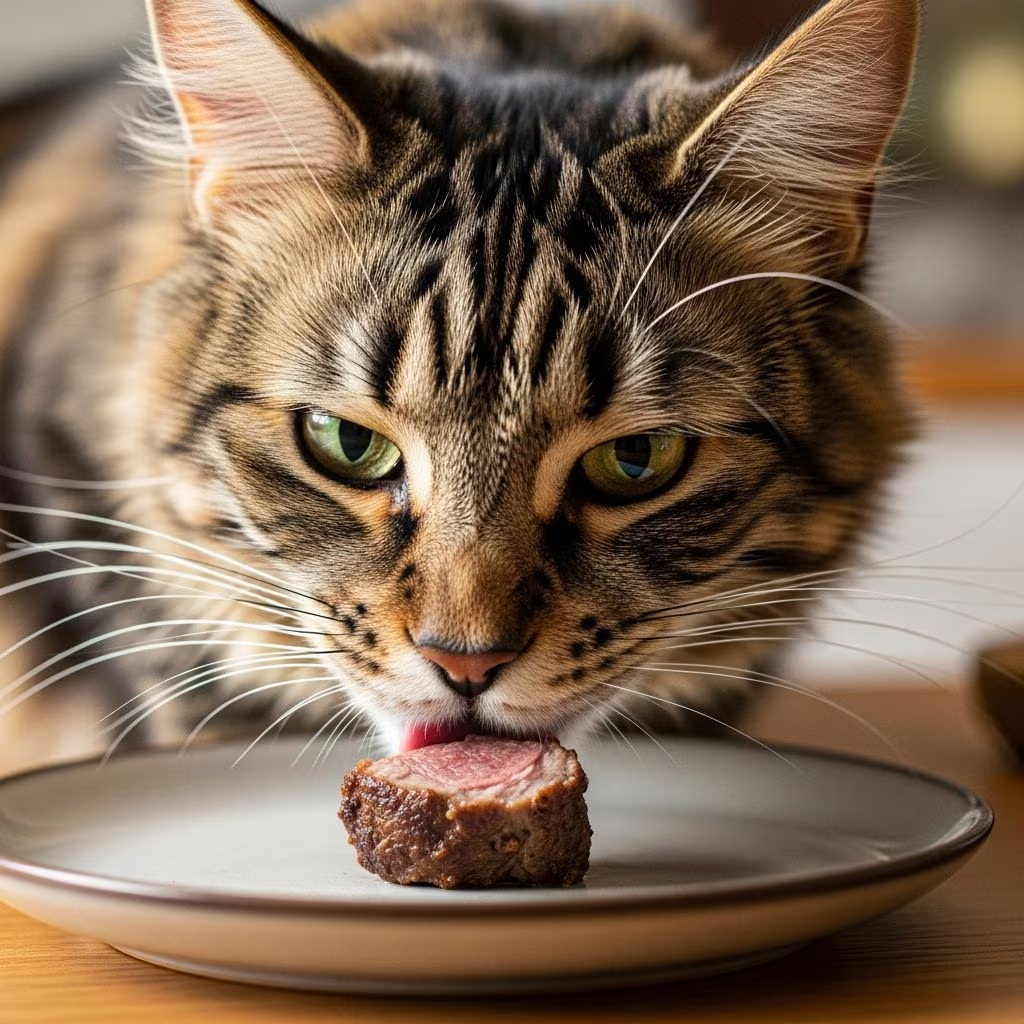
Can Cats Eat Lamb? A Complete Guide to Lamb in Your Cat’s Diet
Lamb is a nutritious protein source that many cat owners wonder about when looking to diversify their feline companion’s diet. The good news is that cats can safely eat lamb when it is properly prepared and served in moderation. As obligate carnivores, cats require high-quality animal protein to thrive, and lamb offers an excellent option to supplement their regular diet. However, understanding the proper way to serve lamb, the nutritional benefits it provides, and the potential risks involved is essential for keeping your cat healthy and satisfied.
Is Lamb Safe for Cats?
Yes, lamb is generally safe for cats to consume, but preparation method and serving style are critical factors. Plain, cooked lamb without seasoning, bones, or added fats is the safest option for your cat. When lamb is prepared correctly, it becomes a wholesome treat that complements your cat’s regular balanced diet.
The key to safe lamb consumption involves avoiding certain preparations that could harm your feline friend. Raw or undercooked lamb poses significant health risks to cats, as it can contain harmful bacteria like Salmonella or E. coli that cause foodborne illnesses. Similarly, cooked bones from lamb should never be served, as they can splinter easily and create choking hazards or cause internal injuries to your cat’s digestive tract.
Additionally, excessive fat in lamb can cause digestive upset and more serious health complications. Always stick to lean cuts of lamb and limit the amount your cat consumes to prevent nutritional imbalances and potential health issues.
Nutritional Benefits of Lamb for Cats
Lamb provides numerous nutritional advantages that make it a valuable addition to your cat’s diet when served appropriately. Understanding these benefits helps explain why many commercial cat foods include lamb as a primary protein source.
High-Quality Protein
Lamb is an excellent source of protein, essential for your cat’s muscle development and overall health. Just one ounce of lamb contains nearly 7 grams of protein, making it particularly effective at supporting lean muscle mass and providing energy for your cat’s daily activities. This high protein content is crucial for maintaining your cat’s strength and vitality throughout their life.
Essential Vitamins and Minerals
Lamb contains vital B-group vitamins that play important roles in maintaining your cat’s nervous system function. These include riboflavin (B2), niacin (B3), vitamin B6, and B12. These vitamins work together to support overall health and wellbeing, helping your cat maintain optimal neurological function.
Beyond B vitamins, lamb provides several other important minerals. Zinc supports your cat’s immune system, helping them fight off infections and stay healthy. Iron, another key mineral found in lamb, helps blood cells carry oxygen to your cat’s tissues and supports immune function. Feeding iron-rich lamb regularly can help combat anemia due to low iron levels, providing a natural nutritional boost.
Additional Micronutrients
Lamb contains the antioxidant CoQ10, which boosts the immune system and can even help prevent dental disease and heart problems in aging cats. Selenium, another important nutrient found in lamb, is critical for preventing dangerous conditions like cancer, blood cell disorders, and heart disease.
Perhaps most importantly, lamb provides taurine, an amino acid that is absolutely essential for cats. Taurine deficiencies are life-threatening and can cause serious complications, including heart conditions and blindness. While most commercial cat foods are fortified with taurine, including lamb in your cat’s diet helps ensure they meet their taurine goals naturally.
Omega-3 Fatty Acids
Certain cuts of lamb contain healthy fats that promote a shiny coat and healthy skin. These omega-3 fatty acids contribute to your cat’s overall appearance and skin health, though it’s important to balance this benefit against the higher fat content of lamb compared to other protein sources.
Potential Risks and Concerns
While lamb offers nutritional benefits, there are several important risks to be aware of when feeding it to your cat.
High Fat Content
Lamb contains more fat than chicken, turkey, or fish. Excessive fat consumption can lead to serious health problems for cats. Eating too much fatty meat contributes to weight gain and obesity. In more severe cases, it can cause acute digestive upset with vomiting and diarrhea, or even trigger pancreatitis, a dangerous inflammation of the pancreas that requires urgent veterinary attention.
Raw Lamb Risks
Never feed your cat raw lamb, which can be contaminated with bacteria and parasites such as Toxoplasma gondii. Raw lamb may also contain high levels of fat that are not ideal for cat nutrition. Cooking lamb kills these pathogens, making the meat safe for your cat to consume.
Bone Hazards
Cooked lamb bones present significant dangers to your cat. Even though bones are harder when cooked, they become brittle and splinter easily, posing a choking hazard or causing damage to your cat’s mouth and digestive tract. Always remove all bones from lamb before serving it to your feline companion.
Overfeeding Concerns
Feeding lamb too frequently or in large quantities can disrupt your cat’s balanced diet and lead to nutrient imbalances. Lamb should never constitute more than 10% of your cat’s daily caloric intake, as this could compromise the nutritional balance provided by their primary diet.
Preparing Lamb for Your Cat
Proper preparation is essential to making lamb a safe and healthy treat for your cat. Follow these guidelines to ensure you’re serving lamb correctly.
Cooking Method
The best cooking methods for preparing lamb for cats are steaming, boiling, broiling, or baking. These methods cook the meat thoroughly while minimizing the addition of fats and oils. Cook the lamb until it reaches an internal temperature of 160°F to ensure all harmful bacteria are eliminated.
Seasonings and Additives
Always serve lamb without any seasonings, sauces, or breading. Spices, salt, garlic, onions, and other seasonings can be harmful to cats or make the dish inappropriate for feline consumption. Plain lamb is the safest option for your cat’s health.
Cutting and Portioning
Remove all bones and cut the lamb into small, manageable pieces that your cat can easily consume without choking. Boneless cuts are essential, as your cat’s digestive tract cannot easily break down bones, and fragments could pose serious risks.
How Much Lamb Can Your Cat Eat?
It’s best to offer cats no more than 2 to 3 ounces of lamb at a time, once or twice a week. This modest amount ensures that lamb supplements rather than replaces your cat’s complete and balanced diet. Canned foods and kibble should make up at least 90% of your cat’s food intake, as feeding less can cause cats to miss out on essential nutrients.
Some guidelines suggest keeping lamb to no more than 10% of your cat’s daily diet. This ensures that your cat continues to receive all the necessary nutrients from their regular food while enjoying lamb as an occasional, healthy treat.
Can Cats Be Allergic to Lamb?
While lamb is not commonly allergenic, some cats can develop allergies to certain proteins, including lamb. If you notice any signs of allergies after feeding your cat lamb, such as itching, vomiting, or diarrhea, discontinue the treat and consult your veterinarian.
Interestingly, many commercial cat foods use lamb as the primary protein source, especially in formulas designed for cats with food sensitivities to common proteins like chicken or beef. If your cat has allergies to other proteins, lamb-based commercial cat food may be an excellent option. When choosing lamb-based cat food, look for high-quality, complete, and balanced formulas approved by reputable organizations like the Association of American Feed Control Officials (AAFCO).
Lamb-Based Commercial Cat Foods
Lamb-based cat food can be a great option if your cat has allergies to common proteins. Many premium cat food brands formulate products with lamb as the primary ingredient to provide cats with an alternative protein source while maintaining complete and balanced nutrition.
When selecting commercial lamb-based cat food for your feline friend, ensure the product meets these criteria:
- Contains lamb as the primary protein source
- Approved by AAFCO for complete and balanced nutrition
- Free from artificial colors, flavors, and preservatives
- Appropriate for your cat’s age and health status
- Made by a reputable pet food manufacturer
These products ensure your cat receives all the nutrients they need while enjoying the benefits of lamb protein.
Lamb Organs and By-Products for Cats
Beyond muscle meat, certain lamb organs can be beneficial for cats when prepared and served appropriately.
Lamb Liver
Lamb liver can be fed in small quantities as it’s rich in nutrients. However, too much liver can lead to vitamin A toxicity due to its extremely high vitamin A content, so moderation is key. Limit liver to occasional small portions as part of your cat’s diet.
Lamb Kidney
Lamb kidney is a viable and highly palatable alternative to liver in cat food. Research shows that cats tend to prefer lamb over beef when comparing equivalent raw ingredients, and they particularly prefer liver and kidney from both species of livestock. Lamb kidney may be offered in small amounts as an occasional treat.
Lamb Lungs
Lamb lungs are low in fat and high in protein, making them an excellent choice for cats needing to maintain a healthy weight. They also contain a variety of vitamins and minerals that support overall feline health.
Special Considerations for Different Cats
Can Kittens Eat Lamb?
Kittens can eat lamb in small amounts, but their primary diet should be specially formulated kitten food to support their growth and development. Always consult your veterinarian before introducing new foods to a kitten, as their nutritional needs differ significantly from adult cats.
Cats with Sensitive Stomachs
Lamb meat is generally easy to digest, making it a good option for cats with sensitive stomachs or food intolerances. If your cat has a history of digestive issues, introduce lamb gradually and in very small amounts, monitoring for any adverse reactions.
Overweight Cats
Due to its higher fat content, overweight cats should receive lamb in even smaller portions or less frequently than healthy-weight cats. Consider using leaner cuts and removing all visible fat before serving.
Alternative Protein Sources
While lamb is a nutritious option, consider these alternative protein sources for variety in your cat’s diet:
- Chicken: Lower in fat than lamb, highly digestible
- Turkey: Lean protein with similar nutritional benefits
- Fish: Rich in omega-3 fatty acids, though some cats may develop preferences
- Beef: Higher quality protein, though also higher in fat
- Rabbit: A novel protein often used in specialized cat foods
Rotating protein sources can provide nutritional variety and help prevent food sensitivities from developing.
Introducing Lamb to Your Cat’s Diet
When introducing lamb to your cat for the first time, follow these steps:
- Start with a very small amount, such as a piece the size of a pea
- Offer it separately from their regular meal to observe their reaction
- Wait 24-48 hours to monitor for any signs of digestive upset or allergic reactions
- If no adverse effects occur, gradually increase the amount over several days
- Once your cat tolerates lamb well, offer it as an occasional treat no more than once or twice weekly
- Always consult your veterinarian if you have concerns about your cat’s response to the new food
Frequently Asked Questions (FAQs)
Q: Can cats eat lamb fat?
A: No, it’s best to avoid feeding lamb fat to cats. Excess fat can cause digestive upset, obesity, or pancreatitis, especially in sensitive cats. Always trim visible fat before serving lamb to your cat.
Q: Is raw lamb safe for cats?
A: No, raw lamb is not safe for cats. It can contain harmful bacteria like Salmonella and E. coli, as well as parasites such as Toxoplasma gondii. Always cook lamb thoroughly before serving it to your feline companion.
Q: How often can I feed my cat lamb?
A: You can feed your cat lamb once or twice per week in small portions (2-3 ounces). Lamb should constitute no more than 10% of your cat’s daily caloric intake.
Q: What should I do if my cat shows signs of an allergy to lamb?
A: If you notice itching, vomiting, diarrhea, or other signs of allergies after feeding your cat lamb, discontinue the food immediately and consult your veterinarian. They can perform allergy testing and recommend appropriate dietary modifications.
Q: Is lamb-based commercial cat food nutritionally complete?
A: Yes, high-quality lamb-based commercial cat foods approved by AAFCO are complete and balanced, providing all necessary nutrients for your cat’s health. Look for products from reputable manufacturers that meet AAFCO standards.
Q: Can I give my cat lamb bones?
A: No, never serve cooked lamb bones to your cat. Even cooked bones become brittle and splinter easily, creating choking hazards and potential internal injuries. Always use boneless cuts of lamb.
Q: Is lamb appropriate for cats with kidney disease?
A: Cats with kidney disease require special dietary considerations. Consult your veterinarian before introducing any new foods, including lamb, as their nutritional needs differ from healthy cats.
References
- Can Cats Eat Raw Meat? Raw Feeding Diet For Cats — Bella+Duke. https://www.bellaandduke.com/cats/expert-advice/cat-nutrition/can-cats-eat-raw-meat/
- Can Cats Eat Lamb? — PetCloud. https://www.petcloud.com.au/d/blog/can-cats-eat-lamb/
- Can Cats Eat Lamb? Benefits and Safety Concerns — Dial A Vet. https://www.dialavet.com/blog/can-cats-eat-lamb
- Can Cats Eat Lamb? — Wag! https://wagwalking.com/wellness/can-cats-eat-lamb
- All About Eating Lamb for Cats — Cats.com. https://cats.com/can-cats-eat-lamb
- Lamb kidney may be palatable sub for liver in cat food — Pet Food Industry. https://www.petfoodindustry.com/news-newsletters/pet-food-news/article/15467464/lamb-kidney-may-be-palatable-sub-for-liver-in-cat-food
- Do Cats Eat Raw Meat? The Basics of Raw Cat Food — Noble Vet Clinic. https://noblevetclinic.com/blog/do-cats-eat-raw-meat-the-basics-of-raw-cat-food



