

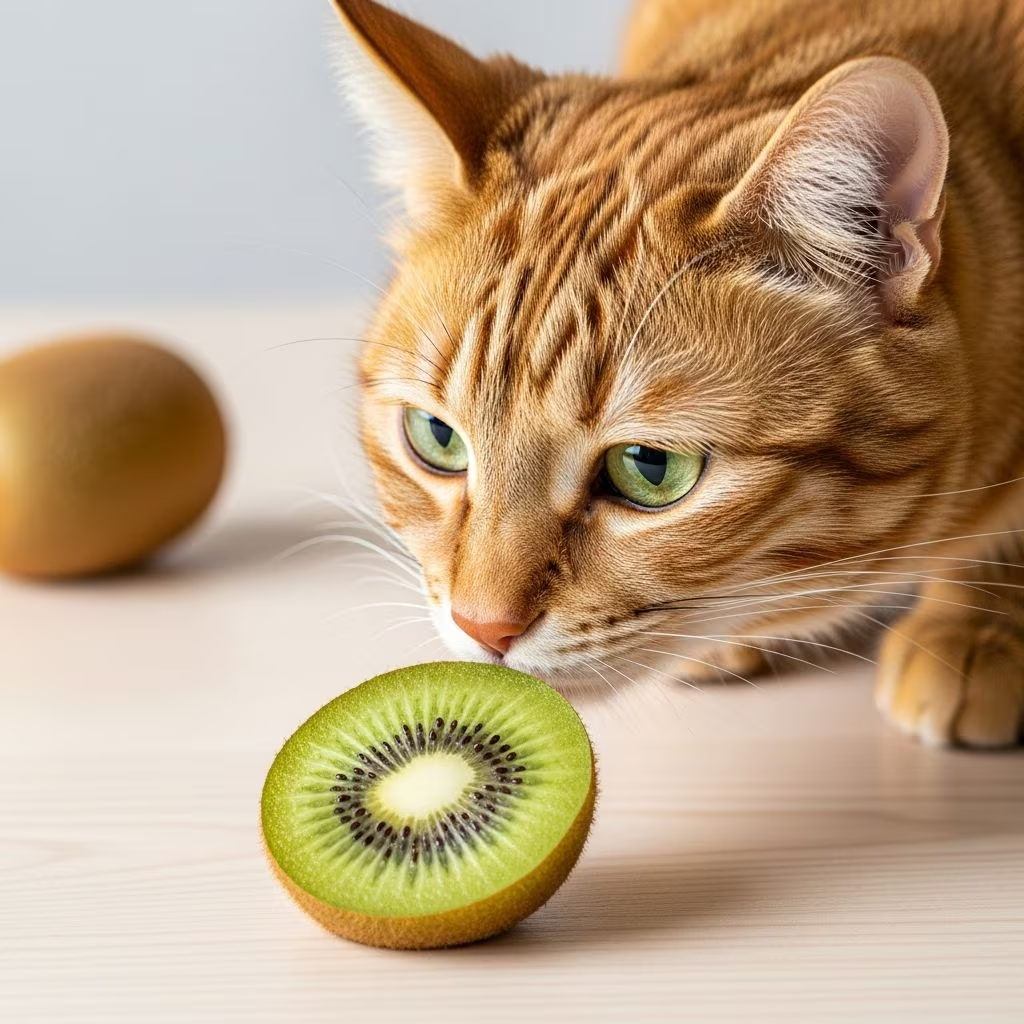
Kiwi is non-toxic to cats and can be offered in small amounts as an occasional treat, providing some nutritional benefits like fiber, vitamins, and hydration support. However, as obligate carnivores, cats do not require fruit in their diet, and overfeeding kiwi can lead to issues due to its sugar content and other factors.
Is Kiwi Safe for Cats?
Cats can safely eat kiwi in moderation, provided the skin is removed and portions are kept small. Kiwi fruit is not listed among toxic fruits like grapes or cherries for felines. Veterinary sources confirm that kiwi poses no inherent toxicity risk when prepared correctly, making it a viable occasional treat rather than a dietary staple.
Obligate carnivores by nature, cats derive essential nutrients from meat-based foods. Fruits like kiwi should constitute less than 10% of their caloric intake to avoid nutritional imbalances. Always introduce new foods gradually to monitor for individual sensitivities.
Potential Benefits of Giving Kiwi to Your Cat
While not essential, kiwi offers several supplementary health benefits for cats when fed sparingly. Its nutrient profile includes antioxidants, fiber, and minerals that can complement a balanced cat diet.
- Fiber for Digestion: Kiwi’s soluble and insoluble fiber promotes healthy gut motility, potentially easing constipation in cats on dry kibble diets.
- Hydration Boost: With over 80% water content, kiwi helps hydrate cats that drink insufficiently, especially in warm weather or with low-moisture diets.
- Vitamins and Minerals: Rich in vitamin C (an antioxidant), vitamin E, vitamin K, potassium, calcium, lutein, and zeaxanthin, kiwi supports immune function, eye health, and bone strength.
- Actinidin Enzyme: This natural protease aids protein breakdown, benefiting digestion, particularly for cats with mild protein sensitivities.
- Low-Calorie Treat: At around 61 calories per 100g, it’s a lighter alternative to high-fat treats, aiding weight management.
These benefits are most pronounced in tiny portions—think a teaspoon or two per week for an average adult cat. Studies on feline nutrition emphasize treats’ role in enrichment without displacing core meals.
Potential Hazards of Giving Kiwi to Your Cat
Despite its upsides, kiwi carries risks if not handled properly. Awareness of these ensures safe incorporation into your cat’s routine.
- High Sugar Content: Kiwi contains about 9g of natural sugars and 14.6g carbohydrates per 100g, which can contribute to obesity, diabetes, or urinary issues over time in sugar-sensitive cats.
- Actinidin Irritation: Excessive amounts of this enzyme may cause oral tingling, digestive upset, or allergic reactions in sensitive cats, similar to human experiences.
- Skin and Fuzzy Texture: The peel’s fine hairs can irritate the mouth, throat, or intestines, posing a choking hazard or causing vomiting.
- Seeds in Excess: While safe and nutrient-dense, large quantities may lead to digestive blockages in small cats.
- Allergic Reactions: Rare but possible symptoms include itching, swelling, or diarrhea; discontinue immediately if observed.
Cats lack sweet taste receptors, so they won’t crave kiwi’s sweetness, reducing begging risks. Excess fruit disrupts gut microbiome balance, potentially causing diarrhea.
Can Cats Eat Kiwi Skin and Seeds?
Kiwi seeds are safe for cats and even richer in vitamins C, E, K, and folates than the flesh, supporting overall health without toxicity concerns. However, the skin should be removed due to its tough, fuzzy exterior, which can cause mechanical irritation or choking.
To prepare: Wash the kiwi thoroughly, slice in half, and scoop out the green flesh with a spoon, discarding the skin. Finely chop or mash into small, manageable pieces (pea-sized for kittens). Seeds can remain unless your cat has swallowing issues. Avoid canned or processed kiwi, which adds sugars or preservatives unsuitable for felines.
| Part of Kiwi | Safe for Cats? | Notes |
|---|---|---|
| Flesh | Yes, in moderation | Primary edible portion; nutrient-rich. |
| Skin | No | Remove; fuzzy hairs irritate GI tract. |
| Seeds | Yes | Nutrient-dense; small size safe. |
| Whole Fruit | With preparation | Peel and chop finely. |
How to Serve Kiwi to Your Cat
Safe serving maximizes benefits while minimizing risks. Follow these vet-recommended guidelines:
- Portion Control: Limit to 1-2 teaspoons (5-10g) per week for adults; half for kittens or seniors.
- Preparation: Peel, remove core if woody, chop into tiny pieces or puree.
- Introduction: Start with a pea-sized amount; observe for 24-48 hours.
- Serving Ideas: Mix into wet food, freeze in ice cube trays for summer treats, or offer as puzzle feeder enrichment.
- Storage: Refrigerate fresh kiwi; use within days to avoid spoilage.
Avoid daily feeding to prevent sugar overload. Consult your vet for cats with diabetes, obesity, or GI conditions.
Nutrition Facts: Kiwi for Cats
Per 100g raw kiwi (approximate values suitable for human reference, scaled down for cats):
| Nutrient | Amount | Benefit for Cats |
|---|---|---|
| Calories | 61 kcal | Low-energy treat option. |
| Water | 83g | Hydration aid. |
| Sugar | 9g | Moderation required. |
| Fiber | 3g | Digestive support. |
| Vitamin C | 93mg | Antioxidant (cats synthesize some). |
| Potassium | 312mg | Electrolyte balance. |
These stats highlight kiwi’s value as a hydrating, fibrous treat but underscore moderation.
Final Thoughts
Kiwi is a safe, non-toxic fruit for cats when peeled, chopped, and given sparingly. It provides fiber, hydration, and vitamins as an enriching treat, but cats thrive on meat-centric diets without fruits. If your cat sneaks a bite, no panic is needed, but prioritize balanced commercial or raw diets. Always vet-check for personalized advice, especially with health issues.
Frequently Asked Questions (FAQs)
Q: Is kiwi toxic to cats?
A: No, kiwi is non-toxic and safe in small amounts with proper preparation.
Q: Can cats eat kiwi skin?
A: No, remove the skin to avoid irritation from fuzzy hairs.
Q: Are kiwi seeds safe for cats?
A: Yes, seeds are safe and nutrient-rich.
Q: How much kiwi can I give my cat?
A: 1-2 teaspoons per week max, finely chopped.
Q: Will kiwi make my cat sick?
A: Unlikely in moderation; excess sugar may cause diarrhea or weight gain.
Q: Do cats like kiwi?
A: Taste varies; cats can’t detect sweetness, so interest may be low.
References
- Can Cats Eat Kiwi? Vet-Verified Facts & FAQ — Catster. 2023. https://www.catster.com/nutrition/can-cats-eat-kiwi/
- Can Cats Eat Kiwi? Nutrition Facts & FAQ — Hepper Pet Resources. 2023. https://articles.hepper.com/can-cats-eat-kiwi/
- Can Cats Eat Kiwi? Human Food for Cats — Kinship. 2023. https://www.kinship.com/cat-nutrition/can-cats-eat-kiwi
- Can Your Pets Eat Kiwifruit? — Bark & Whiskers. 2023-05-18. https://www.barkandwhiskers.com/2023-05-18-can-you-feed-kiwifruit-to-your-pets/
- Is It Safe to Give My Dog or Cat Fruit? — Hill’s Pet Nutrition. 2023. https://www.hillspet.co.nz/pet-care/nutrition-feeding/can-dogs-and-cats-eat-fruit



