

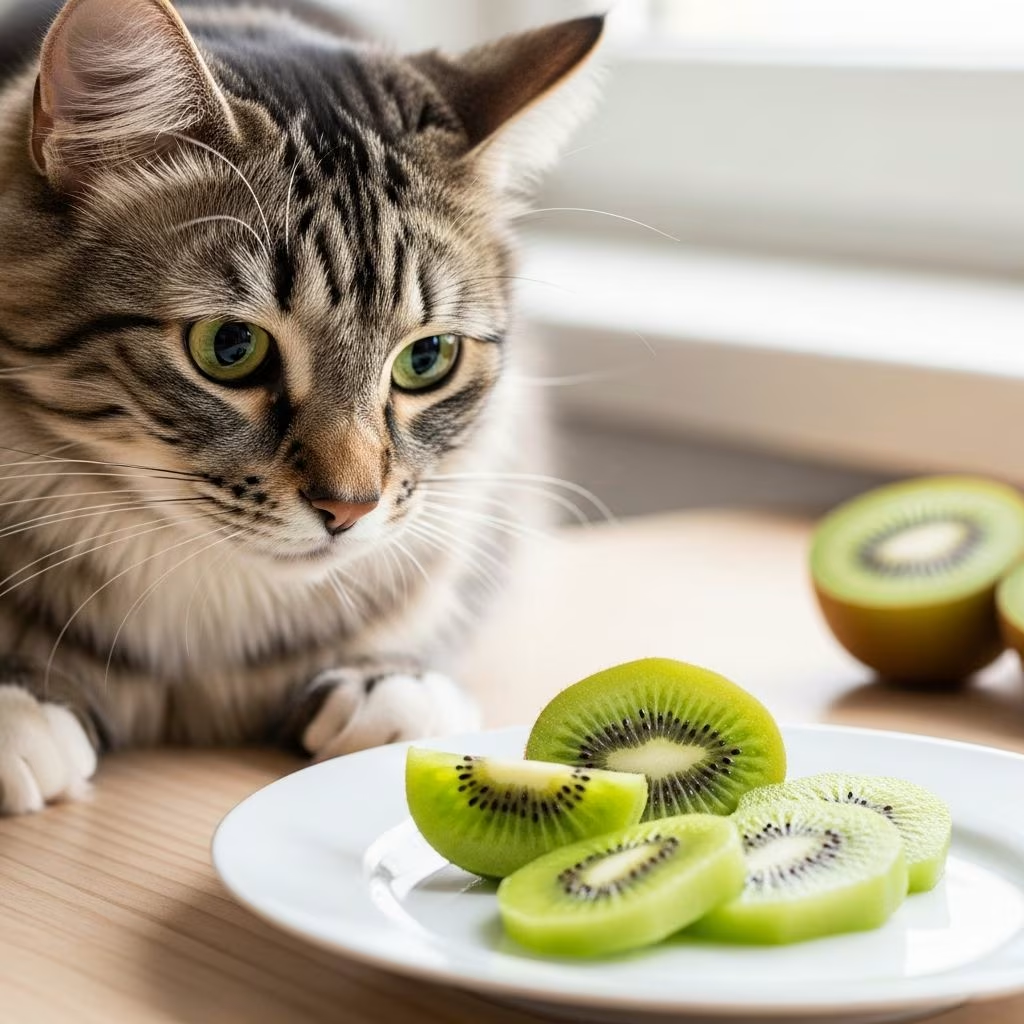
Kiwi is a nutrient-packed fruit often hailed as a superfood for humans, but can cats eat kiwi safely? The short answer is yes, cats can eat kiwi in small amounts as an occasional treat, as it is non-toxic and may provide minor nutritional perks like fiber and hydration. However, since cats are obligate carnivores, their primary diet must consist of meat-based foods, and fruits like kiwi should never replace balanced cat food. This comprehensive guide explores the safety, benefits, risks, preparation methods, and FAQs to help you decide if kiwi fits into your feline friend’s diet.
Is Kiwi Safe for Cats?
Kiwi fruit is generally safe for cats when offered in moderation and properly prepared by removing the skin. According to veterinary sources, kiwi poses no toxicity risks, unlike some fruits containing harmful compounds. Cats, being obligate carnivores, derive essential nutrients like taurine and arachidonic acid primarily from animal proteins, so plant-based foods like kiwi are not nutritionally necessary but can serve as low-calorie treats.
That said, not every cat will tolerate kiwi well. Some may experience mild digestive upset due to its acidity or fiber content. Always introduce it gradually, starting with a tiny piece, and monitor for any adverse reactions. Veterinary experts emphasize that while safe, kiwi should comprise no more than 10% of a cat’s daily caloric intake to avoid nutritional imbalances.
Nutritional Benefits of Kiwi for Cats
Kiwi offers several potential health benefits for cats, though these are supplementary rather than essential, given cats’ ability to synthesize certain vitamins internally. Here’s a breakdown of key nutrients:
- Vitamin C and Antioxidants: Kiwi is rich in vitamin C, which supports immune function and reduces inflammation. Cats produce their own vitamin C, so this is more of a bonus for overall antioxidant protection against free radicals.
- Dietary Fiber: The soluble and insoluble fiber in kiwi aids digestion, promotes regular bowel movements, and may help prevent constipation. It’s particularly useful for cats on dry kibble diets.
- Potassium and Minerals: Provides potassium for muscle and nerve function, plus calcium, lutein, and zeaxanthin for eye health and vitality.
- High Moisture Content: With over 80% water, kiwi helps with hydration, especially beneficial for cats prone to urinary issues or those not drinking enough.
- Actinidin Enzyme: This natural enzyme breaks down proteins, potentially aiding digestion in cats with mild protein sensitivities, though excessive amounts can be corrosive.
Per 100g serving, kiwi contains about 61 calories, 9g sugar, 3g fiber, and essential minerals, making it a low-calorie option compared to many treats. Studies on pet nutrition highlight how such occasional fruits can contribute to gut health without dominating the diet.
Potential Risks and Hazards of Feeding Kiwi to Cats
While beneficial in small doses, kiwi carries risks if overfed or improperly prepared. Understanding these helps prevent issues:
- High Sugar and Carbohydrates: Kiwi has 9g sugar and 14.6g carbs per 100g, which can lead to obesity, diabetes, dental problems, or gut bacteria disruption causing diarrhea.
- Acidity and Digestive Upset: The fruit’s pH can irritate sensitive stomachs, resulting in vomiting, diarrhea, or loose stools, especially in kittens or cats with GI sensitivities.
- Allergic Reactions: Rare but possible; actinidin enzyme may trigger itching, swelling, respiratory issues, or oral irritation in sensitive cats.
- Choking Hazard: The skin is tough and fuzzy, posing choking risks or blockages if not removed. Seeds are small but should be avoided.
- Excess Fiber Overload: Too much fiber can cause constipation or exacerbate diarrhea in unbalanced amounts.
For cats with pre-existing conditions like diabetes, IBD, or allergies, consult a vet first. Overfeeding treats like kiwi can displace vital nutrients from commercial cat food formulated to AAFCO standards.
How to Safely Feed Kiwi to Your Cat
Proper preparation maximizes safety and enjoyment. Follow these steps:
- Select Ripe Kiwi: Choose firm yet ripe fruit without mold or bruises. Organic is preferable to minimize pesticide exposure.
- Peel Thoroughly: Remove all skin, as it’s indigestible and risky. Cut into tiny, bite-sized pieces (pea-sized for small cats).
- Start Small: Offer 1/4 to 1/2 teaspoon initially, once or twice a week max. A 5kg cat should not exceed 1-2 small pieces per treat session.
- Mix if Needed: Mash into wet food for picky eaters, but avoid daily use.
- Wash and Store: Rinse before peeling; refrigerate leftovers in an airtight container for up to 3 days.
Portion Guide Table:
| Cat Weight | Recommended Kiwi Amount (per treat) | Frequency |
|---|---|---|
| Under 4kg | 1/4 tsp (small piece) | 1x/week |
| 4-6kg | 1/2 tsp (1-2 pieces) | 1-2x/week |
| Over 6kg | 1 tsp (2-3 pieces) | Occasional |
Monitor for 24-48 hours post-feeding. Discontinue if any issues arise and contact your vet.
Signs Your Cat Should Not Eat Kiwi
Watch for these red flags indicating kiwi intolerance:
- Vomiting or diarrhea within hours.
- Excessive drooling, pawing at mouth, or reluctance to eat.
- Lethargy, bloating, or changes in litter habits.
- Skin redness, itching, swelling, or breathing changes (allergic signs).
- Weight gain or increased thirst/urination (sugar-related).
If symptoms persist, seek veterinary care immediately. Cats with kidney disease, pancreatitis, or obesity should avoid kiwi entirely.
Alternatives to Kiwi for Cats
If kiwi doesn’t suit your cat, consider these vet-approved fruits:
- Blueberries: Antioxidant-rich, low sugar.
- Pumpkin (plain): Excellent for digestion, high fiber.
- Watermelon (seedless, rindless): Hydrating and low-cal.
- Banana (small amounts): Potassium source, but higher sugar.
- Apples (peeled, cored): Fiber without excess acidity.
Commercial cat treats formulated for dental health or hydration often provide similar benefits without risks.
Frequently Asked Questions (FAQs)
Can cats eat kiwi skin?
No, avoid kiwi skin entirely—it’s tough, fuzzy, and can cause choking, irritation, or digestive blockages. Always peel before serving.
How much kiwi can I give my cat?
Limit to 1/4-1 tsp of peeled, diced kiwi per treat for small cats, up to 1 tsp for larger ones, no more than 1-2 times weekly. Adjust based on tolerance.
Can kiwi cause allergies in cats?
Yes, though rare. Symptoms include itching, swelling, or GI upset due to actinidin. Introduce slowly and stop if reactions occur.
Is kiwi good for a cat’s digestion?
In small amounts, yes—the fiber and enzymes aid digestion and prevent constipation. Excess can cause upset, so moderation is key.
What if my cat eats a whole kiwi?
Monitor for vomiting, diarrhea, or lethargy. Contact your vet or pet poison hotline if severe symptoms appear, but small amounts are usually harmless.
Final Thoughts
Kiwi can be a fun, hydrating treat for many cats, offering fiber, antioxidants, and variety without toxicity risks. Prioritize a complete, meat-based diet, use kiwi sparingly, and always consult your veterinarian for personalized advice. By following safe feeding practices, you can enhance your cat’s health while minimizing hazards. Keep treats occasional to maintain optimal feline wellness.
References
- Can Cats Eat Kiwi? Safety & Benefits Explained — Zoorithm. 2023. https://www.zoorithm.com/cats/can-cat-eat-kiwi
- Can Cats Eat Kiwi? Vet-Verified Facts & FAQ — Catster. 2023. https://www.catster.com/nutrition/can-cats-eat-kiwi/
- Can dogs or cats eat kiwi? — ManyPets. 2023. https://manypets.com/us/pet-food-safety/can-my-pet-eat-kiwi/
- Can Cats Eat Kiwi? Nutrition Facts & FAQ — Hepper Pet Resources. 2023. https://articles.hepper.com/can-cats-eat-kiwi/
- What Fruits Can Cats Eat? 19 Fruits Safe for Cats — PetMD. 2024-10-15. https://www.petmd.com/cat/nutrition/which-fruits-can-cats-eat



