

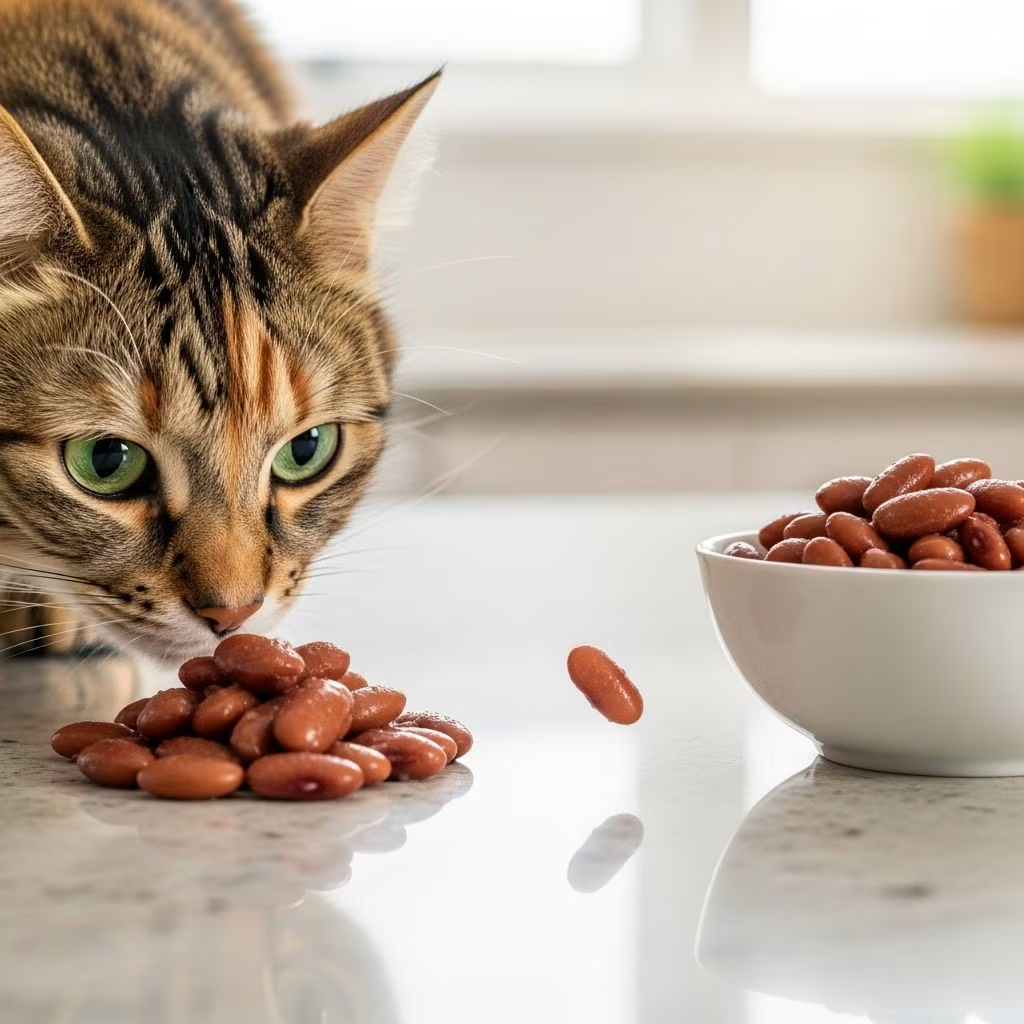
Can Cats Eat Kidney Beans? Vet-Reviewed Facts & Health Guidelines
Kidney beans are a tasty legume packed with health benefits for humans, but can you share them with your feline companion? The answer is more nuanced than a simple yes or no. While cooked kidney beans aren’t toxic for cats and offer some nutritional benefits, they aren’t found in a cat’s natural diet and can be difficult to digest. As obligate carnivores, cats are biologically designed to digest meat rather than plant products, making kidney beans a questionable dietary choice despite their nutritional profile.
What Are the Benefits of Kidney Beans?
Kidney beans are an excellent source of vitamins and minerals that play important roles in overall health and well-being. These legumes contain valuable nutrients including potassium, B vitamins, and manganese, all of which support metabolism and cellular growth and function. Additionally, kidney beans are rich in dietary fiber, which can help regulate digestion and manage feline obesity—a growing concern among domestic cats.
For every 100 grams (3.5 ounces) of cooked kidney beans, these legumes provide over 20 grams of protein, along with essential micronutrients. From a nutritional standpoint, kidney beans appear to be a powerhouse food. However, it’s important to recognize that cats eating a good-quality diet don’t require kidney beans to meet any of their nutritional needs. The nutritional benefits that excite humans may not translate meaningfully to feline health.
Do Kidney Beans Provide Protein for Cats?
While one 100-gram serving of boiled kidney beans offers over 20 grams of protein, there’s a critical distinction to understand. Although cats are obligate carnivores with higher protein requirements than dogs, their bodies have evolved to digest and utilize animal-based proteins most effectively. Plant-based proteins, including those found in kidney beans, are processed differently by feline digestive systems.
Cats cannot digest and utilize plant protein as readily as animal sources. This means that while kidney beans do contain substantial protein, your cat will have a much more difficult time extracting and using this protein compared to what they would obtain from meat. The amino acid profile of plant proteins differs significantly from animal proteins, and cats lack certain enzymes necessary for optimal plant protein utilization. Speaking with a veterinarian about the best protein sources for your cat is always a prudent option.
Potential Risks and Concerns
While cooked kidney beans are generally safe, feeding them to your cat does present several potential risks worth considering. One primary concern involves digestive upset—feeding too many kidney beans can result in gas, bloating, and abdominal pain. These symptoms occur because cats’ digestive systems aren’t optimized for plant-based foods.
Kidney beans are considered to be high in FODMAPs, specifically oligosaccharides, which can ferment in the gut and lead to uncomfortable symptoms such as bloating, gas, and abdominal discomfort. Additionally, the high fiber content that benefits humans can be harder for cats to process, potentially leading to digestive distress.
The Lectin Problem
Never offer your cat raw kidney beans. Uncooked beans contain high levels of lectins, which can be toxic for cats. Lectins are plant proteins that bind to carbohydrates and serve as a defensive mechanism to help plants survive in nature. However, this same protective quality can cause significant discomfort in both humans and cats if consumed.
If your cat accidentally consumes raw kidney beans, watch for these symptoms:
- Vomiting
- Diarrhea
- Lethargy
- Abdominal discomfort
Cooking or soaking raw kidney beans will help destroy all active lectins, making them safe for consumption. This is why proper preparation is absolutely essential if you choose to offer kidney beans to your feline friend.
How to Prepare Kidney Beans for Your Cat
If you decide to offer kidney beans to your cat, proper preparation is non-negotiable. Following these guidelines will help ensure maximum safety and minimize digestive upset:
Soaking and Rinsing
Begin by soaking dried kidney beans in water for at least 5 hours or overnight, then rinse thoroughly. This process helps to remove some of the lectins and makes the beans easier to digest for your cat’s sensitive system.
Thorough Cooking
Boil the beans for at least 30 minutes to ensure all lectins are neutralized. Slow cooking can further enhance their digestibility and reduce any remaining toxins. Some cat owners find that using a slow cooker simplifies the process and improves the texture, making the beans easier for cats to consume and digest.
Serving Preparations
Offer the cooked beans to your pet without any added seasonings or ingredients that could be harmful to them. Never add salt, spices, garlic, or onions to kidney beans intended for your cat. These additions can cause serious health problems and negate any potential benefits from the beans themselves.
Frequency and Portion Guidelines
Moderation is absolutely essential when feeding kidney beans to your cat. If your kitty shows interest in this food, you can offer a few cooked kidney beans occasionally—once a week or less, as a special treat. This infrequent approach allows you to gauge your cat’s tolerance and minimize the risk of digestive upset.
Cats should consume kidney beans in small, infrequent amounts, if at all. This approach can provide them with additional fiber and nutrients without compromising their primary need for animal-based proteins.
Beans to Avoid for Cats
While some beans can be offered in moderation, certain types should be avoided entirely. Canned beans should be avoided as cat food. They often contain added seasonings, primarily salt, which is very bad for feline health. Too much salt can lead to an imbalance in sodium and potassium levels, causing harm to the kidneys. Cats who have consumed too much salt can develop excessive thirst, diarrhea, vomiting, and in severe cases, this can even lead to death.
Additionally, beans with added ingredients like garlic, onions, or spices should never be offered to cats, regardless of preparation method.
Safe Bean Alternatives for Cats
If you’re looking to provide your cat with nutritional variety or special treats, several bean alternatives offer similar benefits with potentially better digestibility:
Black Beans
Similar in texture and rich in protein and fiber, black beans are a safe and nutritious option for pets when cooked plainly and served in moderation.
Pinto Beans
Pinto beans provide a similar nutritional profile to kidney beans, with protein and fiber content that supports digestive health. Ensure they are well-cooked and unseasoned before offering to your cat.
Green Beans
Plain, cooked green beans are often more digestible for cats and can be offered occasionally as a treat. They’re lower in lectins and generally cause fewer digestive issues.
The Bottom Line
While kidney beans may have something to offer in terms of vitamins and minerals, this isn’t a food found in a cat’s natural diet. The nutritional benefits that kidney beans provide can be obtained from high-quality commercial cat foods designed specifically for feline dietary needs. If your kitty shows particular interest in kidney beans and tolerates them well, you can offer a few cooked kidney beans occasionally as a special treat. However, the bulk of your pet’s diet should consist of commercially prepared food designed specifically to meet the nutritional needs of cats.
Remember that cats are obligate carnivores with unique dietary requirements that differ significantly from humans. What’s healthy for you may not be appropriate for your feline companion. Always consult with your veterinarian before introducing new foods into your cat’s diet, especially plant-based options like kidney beans.
Key Takeaways
- Cooked kidney beans are not toxic to cats but should be offered rarely and in small amounts
- Raw kidney beans contain harmful lectins and should never be fed to cats
- Cats cannot utilize plant-based protein as effectively as animal protein
- Kidney beans may cause digestive upset including gas, bloating, and abdominal discomfort
- Proper preparation including thorough cooking is essential for safety
- Never add seasonings, salt, or other ingredients to kidney beans for cats
- Kidney beans should only be offered as an occasional treat, once per week or less
- High-quality commercial cat food should remain the foundation of your cat’s diet
Frequently Asked Questions (FAQs)
Q: Can cats eat raw kidney beans?
A: No, cats should never eat raw kidney beans. Raw beans contain high levels of lectins, which are toxic compounds that can cause vomiting, diarrhea, lethargy, and abdominal discomfort. Always cook beans thoroughly before offering them to your cat.
Q: How often can I give my cat kidney beans?
A: Kidney beans should be offered very infrequently—no more than once a week or less, and only in small portions. They should be considered an occasional special treat rather than a regular part of your cat’s diet.
Q: Are canned kidney beans safe for cats?
A: No, canned kidney beans should be avoided. They typically contain added salt and other seasonings that can be harmful to cats and may lead to kidney problems, excessive thirst, diarrhea, and vomiting.
Q: What symptoms indicate my cat has eaten too many kidney beans?
A: Signs of digestive upset from excess kidney bean consumption include gas, bloating, abdominal pain, diarrhea, and vomiting. If your cat experiences these symptoms, contact your veterinarian.
Q: What’s the best way to prepare kidney beans for my cat?
A: Soak dried beans for at least 5 hours or overnight, then rinse thoroughly. Boil for at least 30 minutes to neutralize lectins. Serve plain with no added salt, seasonings, garlic, or onions. Allow beans to cool before offering to your cat.
Q: Why can’t cats get enough protein from kidney beans?
A: Cats are obligate carnivores whose digestive systems have evolved to process animal-based proteins efficiently. They lack certain enzymes needed to optimally utilize plant-based proteins, so they cannot effectively extract and use the protein found in kidney beans compared to meat sources.
Q: What are better alternatives to kidney beans for my cat?
A: Consider black beans, pinto beans, or green beans as alternatives. However, the best approach is to focus on commercially prepared cat foods that meet your feline’s specific nutritional requirements as formulated by veterinarians.
References
- Can Dogs and Cats Eat Kidney Beans? — Dr. Ruth Roberts. January 2024. https://drruthroberts.com/blogs/pet-blog/kidney-beans-for-dogs-and-cats
- Can Cats Eat Kidney Beans? Vet-Reviewed Facts & Health Guidelines — Catster. https://www.catster.com/nutrition/can-cats-eat-kidney-beans/
- Can Cats Eat Beans? — Cats.com. https://cats.com/can-cats-eat-beans
- Can Cats Eat Beans? — BetterPet. https://www.betterpet.com/learn/can-cats-eat-beans
- Can Cats Eat Beans? — Whisker (Litter-Robot Blog). https://www.whisker.com/blog/can-cats-eat-beans



