

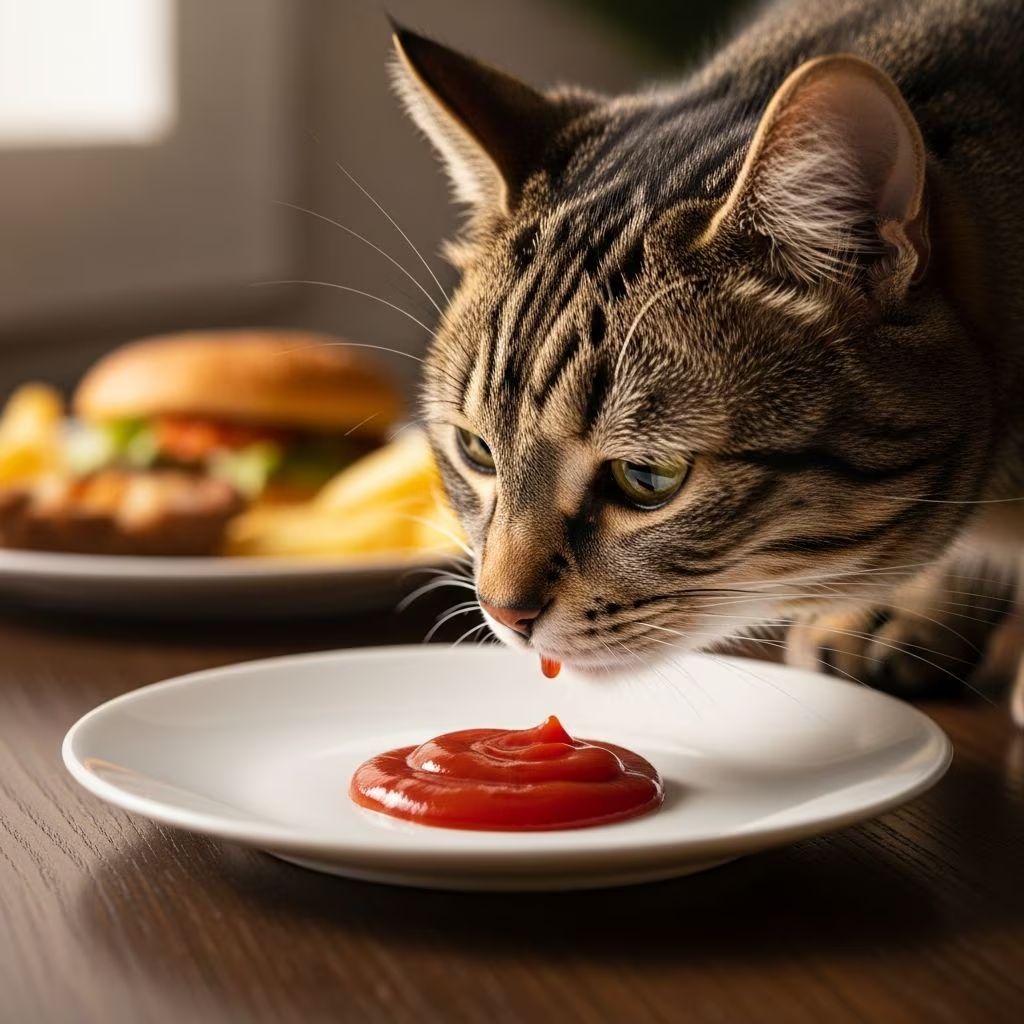
Ketchup seems harmless as a condiment, but it’s packed with ingredients toxic or unhealthy for cats, including garlic, onion powder, high salt, sugar, and artificial sweeteners. Cats are obligate carnivores with sensitive digestive systems, making human processed foods like ketchup a poor choice that can lead to serious health issues.
Is Ketchup Healthy for Cats?
No, ketchup is not healthy for cats and can be outright dangerous due to multiple harmful components. While a tiny lick might not cause immediate harm, regular or larger consumption introduces risks from its core ingredients.
Main Harmful Ingredients in Ketchup
- Garlic and Onion Powder: These belong to the Allium family, containing sulfur compounds that damage red blood cells, leading to Heinz body hemolytic anemia. Garlic is about five times more toxic to cats than onions. Symptoms include jaundice, lethargy, diarrhea, vomiting, loss of appetite, weakness, fever, and pale gums.
- Sugar and Carbohydrates: Cats lack enzymes to efficiently digest sugars, leading to digestive upset, weight gain, dental issues, and increased diabetes risk. Excess sugar disrupts their carnivorous metabolism.
- Salt (Sodium): High sodium content risks salt poisoning, even from small amounts (as little as 0.05 tablespoons). Signs appear within 3 hours: vomiting, tremors, lethargy, disorientation, excessive thirst, and dehydration.
- Artificial Sweeteners like Xylitol: Though less studied in cats than dogs, xylitol can cause hypoglycemia, seizures, liver failure, and death in small doses. Many ketchups include processed additives unsuitable for felines.
- Other Additives: Artificial flavors, colors, preservatives, and vinegars add no nutritional value and can irritate the stomach or exacerbate allergies.
Tomatoes form ketchup’s base, but ripe tomatoes are generally safe in tiny amounts, offering vitamins A, C, and K. However, unripe green tomatoes and plant parts (stems, leaves) contain solanine, a toxin causing drooling, lethargy, and GI distress. Ketchup’s processing amplifies risks from other ingredients, negating any tomato benefits.
| Ingredient | Risk Level for Cats | Potential Effects |
|---|---|---|
| Garlic/Onion | High (Toxic) | Anemia, organ damage |
| Sugar | Moderate | Obesity, diabetes, GI upset |
| Salt | High | Poisoning, dehydration |
| Xylitol | High | Seizures, liver failure |
| Tomatoes (Ripe) | Low | Safe in moderation |
Overall, ketchup provides zero nutritional benefits for cats—no essential proteins, taurine, or fats they require. It’s a processed human food best avoided entirely.
What Happens if My Cat Eats Ketchup?
Most cats dislike ketchup’s tangy, vinegary taste, limiting intake to a lick or two, which rarely causes issues beyond mild stomach upset. However, curious or persistent cats accessing more can face escalating problems.
Short-Term Effects (Small Amounts)
- Mild vomiting or diarrhea from sugar and acidity, resolving in 24-48 hours.
- Upset stomach, reduced appetite, or loose stools due to poor carbohydrate digestion.
Serious Effects (Larger Amounts)
- GI Distress: Persistent vomiting, diarrhea, abdominal pain.
- Salt Poisoning: Thirst, tremors, weakness, seizures.
- Allium Toxicity: Anemia signs like yellowing skin/eyes (jaundice), rapid breathing, collapse—may take days to appear.
- Xylitol Reaction: Hypoglycemia (low blood sugar), liver enzymes elevation.
Monitor for 24-72 hours post-ingestion. Contact a vet immediately if symptoms worsen or include neurological signs (tremors, disorientation), anemia indicators, or refusal to eat/drink. Provide fresh water and withhold food briefly for GI recovery, but seek professional advice for any concern.
Can Cats Eat Tomatoes?
Ripe, red tomatoes are non-toxic and safe occasionally in small pieces (e.g., a tiny chunk), providing antioxidants like lycopene, vitamin C, and potassium. However, they’re not a dietary staple—cats need meat-based nutrition.
- Safe Parts: Flesh of fully ripened fruit.
- Toxic Parts: Green tomatoes, stems, leaves (solanine toxin causes GI upset, lethargy).
- Recommendations: Consult vet before offering; plain, washed, seedless bits only. Avoid sauces or cooked forms with additives.
Tomato plants are hazardous if chewed, so keep gardens inaccessible. Prioritize commercial cat food for balanced nutrition over vegetable treats.
What Are Some Safe Alternatives to Ketchup for Cats?
Instead of risky condiments, offer cat-appropriate treats mimicking flavors safely.
- Plain Cooked Meat: Chicken, turkey, fish (no seasoning)—high protein, low risk.
- Cat-Safe Veggies: Steamed pumpkin, carrots for fiber (tiny amounts).
- Commercial Treats: Vet-approved, low-calorie options with taurine.
- Broth: Low-sodium chicken broth (no onions/garlic).
- Freeze-Dried Meats: Pure meat treats without additives.
Limit treats to 10% of diet; focus on high-quality kibble/wet food meeting AAFCO standards.
How to Prevent Cats from Accessing Ketchup
Proactive steps keep kitties safe:
- Store bottles securely in cabinets.
- Clean spills immediately; never leave plates unattended.
- Use pet-proof trash bins.
- Train with commands like “leave it.”
- Offer distractions like toys during meals.
Frequently Asked Questions (FAQs)
Is a small lick of ketchup okay for my cat?
Yes, a tiny lick is unlikely to harm most cats, causing at most mild GI upset. Monitor closely and prevent further access.
What if my cat ate a lot of ketchup?
Rush to the vet if showing vomiting, tremors, jaundice, or lethargy—could indicate toxicity from alliums, salt, or sweeteners.
Are there any ketchups safe for cats?
No commercial ketchup is cat-safe due to universal additives like salt and spices. Homemade without garlic/onion/salt isn’t recommended either.
Can kittens eat ketchup?
Absolutely not—kittens are more vulnerable to toxins and dehydration.
Does ketchup cause long-term damage?
Occasional small amounts: unlikely. Repeated exposure risks obesity, diabetes, or cumulative toxicity.
Final Thoughts
Ketchup’s allure for humans doesn’t translate to cats—its toxic garlic/onion, excessive salt, sugar, and additives pose risks from mild upset to life-threatening conditions like anemia or poisoning. A lick might pass unnoticed, but vigilance is key. Stick to vet-recommended diets, and when in doubt, consult your veterinarian. Your cat’s health thrives on species-appropriate nutrition, not table scraps.
References
- Can Cats Eat Ketchup? Vet-Reviewed Diet Facts & FAQ — Catster. 2023-10-15. https://www.catster.com/nutrition/can-cats-eat-ketchup/
- Can Cats Eat Ketchup? Vet-Reviewed Nutrition Facts — Hepper. 2024-05-20. https://articles.hepper.com/can-cats-eat-ketchup/
- Can Cats Eat Tomatoes? It Depends — Chewy. 2024-08-10. https://www.chewy.com/education/cat/food-and-nutrition/can-cats-eat-tomatoes



