

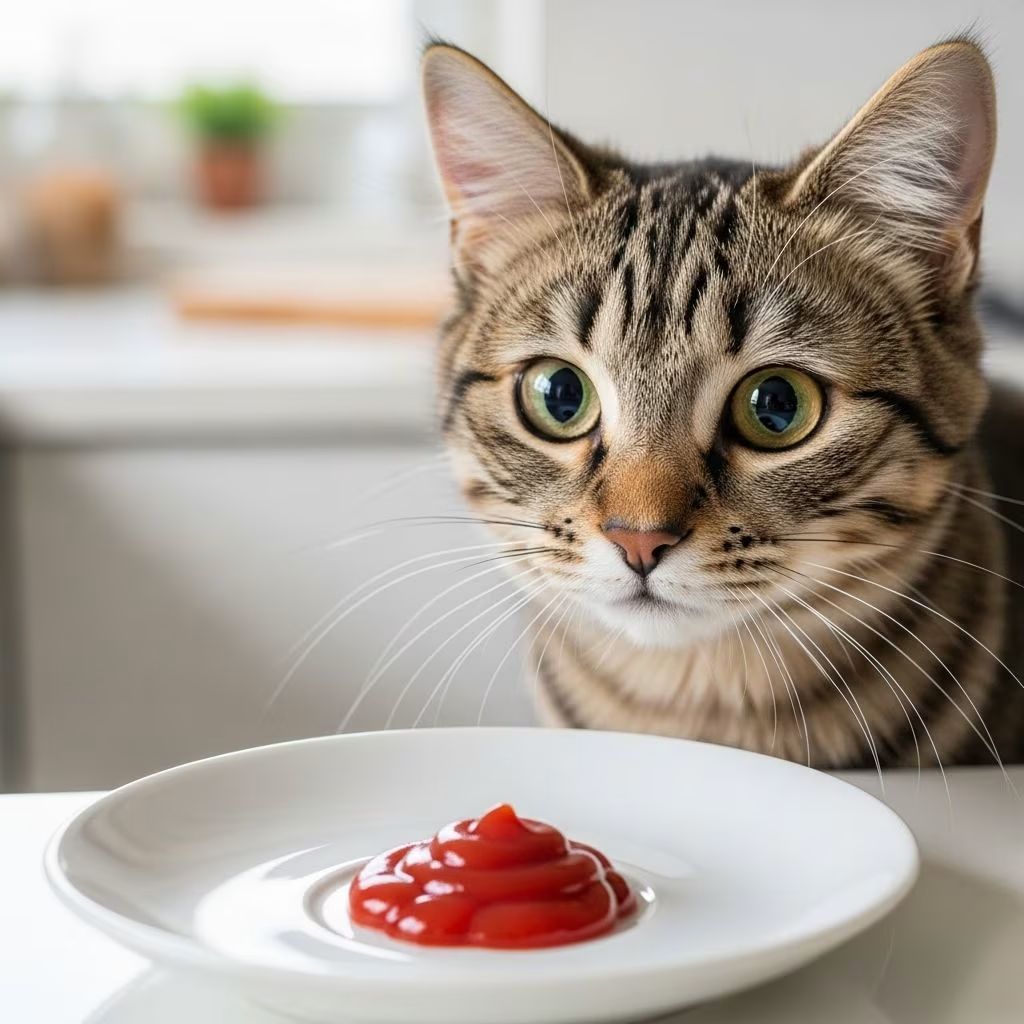
Can Cats Eat Ketchup? A Comprehensive Guide for Pet Owners
When our feline companions are curious about the foods we eat, it’s natural to wonder if sharing is safe. Ketchup, a common condiment found in most households, might seem harmless enough, but the reality is quite different when it comes to our cats’ health and wellbeing. Understanding what makes ketchup dangerous for cats is essential for responsible pet ownership and keeping your beloved companion safe from potential harm.
The straightforward answer is no, cats should not eat ketchup. Unlike some human foods that can be safely shared with cats in moderation, ketchup poses multiple health risks due to its various ingredients. While a tiny lick or two of ketchup won’t typically cause serious harm, regular consumption or larger quantities can lead to significant health complications for your feline friend.
Is Ketchup Healthy for Cats?
Ketchup is fundamentally unhealthy for cats and could even prove toxic depending on the quantity consumed and your cat’s individual sensitivity to certain ingredients. The product contains numerous components that are either directly toxic or harmful to feline health. To properly understand why ketchup poses such a risk, it’s important to examine each problematic ingredient individually.
Garlic and Onion Toxicity
Among the most dangerous ingredients in ketchup are garlic and onion powder. Both of these ingredients belong to the Allium family, a plant genus that is toxic to both cats and dogs. The toxicity stems from sulfur compounds present in these plants, which can cause significant damage to red blood cells when ingested by cats.
When a cat consumes garlic or onion, these sulfur compounds can lead to a condition known as Heinz body anemia. This serious medical condition develops when the sulfur compounds damage red blood cells, creating crystalline inclusions called Heinz bodies. Cats experiencing Allium toxicity may display symptoms including:
- Jaundice (yellowing of the skin and eyes)
- Lethargy and weakness
- Diarrhea and digestive upset
- Loss of appetite
- Pale gums and weakness
It’s worth noting that garlic is approximately five times more toxic to cats than onion, making it an especially dangerous ingredient when found in condiments like ketchup. Even small amounts of garlic powder in processed foods can accumulate to problematic levels if your cat has repeated exposure.
High Sugar Content
Ketchup contains substantial amounts of sugar, which poses distinct challenges for feline health. While sugar itself is not technically toxic to cats, it is nonetheless harmful to their wellbeing. Cats are obligate carnivores, meaning their digestive systems are designed to process protein and fat, not carbohydrates or sugars. Because cats do not naturally consume sugar in their wild diet, their bodies lack the efficient digestive mechanisms to break down and process sugars effectively.
Excessive sugar consumption in cats can contribute to multiple health problems:
- Weight gain and obesity
- Periodontal disease and dental problems
- Type 2 diabetes development
- Digestive upset and gastrointestinal issues
- Energy fluctuations and behavioral changes
The feline metabolism is simply not equipped to handle the refined sugars found in processed condiments, making regular ketchup consumption particularly problematic for long-term health.
Artificial Sweeteners and Xylitol
In addition to natural sugar, many commercial ketchup products contain artificial sweeteners. None of these artificial sweetening agents are appropriate for feline consumption. Most concerning among these is xylitol, a sugar alcohol used in many processed foods and diet products.
Although research on xylitol toxicity in cats is less extensive than in dogs, even small doses of xylitol can be dangerous. Potential consequences of xylitol poisoning include:
- Seizures
- Liver failure
- Severe hypoglycemia
- Death if untreated promptly
It’s crucial to check ketchup labels for xylitol content, as some brands may use this sweetener as a sugar substitute, creating an additional toxicity risk beyond the standard ingredients.
Sodium Content and Salt Toxicity
Ketchup contains a fairly high concentration of sodium, another ingredient problematic for cats. While a tiny lick of salt won’t cause immediate harm, cats are extremely sensitive to sodium intake, and excessive salt consumption can lead to salt poisoning. The danger threshold is surprisingly low—consuming as little as 0.05 tablespoons of salt can potentially cause poisoning in cats.
Signs of salt poisoning in cats include:
- Vomiting and nausea
- Tremors and muscle twitching
- Lethargy and weakness
- Disorientation and confusion
- Excessive thirst and urination
- High blood pressure
These symptoms can appear as quickly as three hours after salt consumption, requiring prompt veterinary attention if observed.
Processed Ingredients and Additives
Beyond the primary harmful ingredients, ketchup is a heavily processed food containing artificial flavorings, colorings, and preservatives. None of these additives provide nutritional benefit to cats, and some may cause adverse reactions or digestive upset in sensitive individuals.
What Happens if My Cat Eats Ketchup?
The consequences of ketchup ingestion depend largely on the quantity consumed and your individual cat’s sensitivity to the harmful ingredients present. Fortunately, most cats are not naturally attracted to ketchup and will consume only a small amount if they encounter it.
Small Amount Consumption
If your cat has obtained a lick or two of ketchup, you generally do not need to panic. Small quantities of ketchup typically will not cause serious harm. In most cases, minor exposure may result in mild gastrointestinal upset at worst. Many cats will not show interest in consuming additional ketchup after tasting it, as the flavor and texture are not naturally appealing to feline palates.
Moderate to Large Amount Consumption
If your cat has managed to consume more than a small taste—such as from a knocked-over bottle or repeated access—you should monitor them closely for symptoms. Potential complications from moderate ketchup consumption include:
- Gastrointestinal distress (vomiting and diarrhea)
- Loss of appetite
- Stomach discomfort
- Lethargy
These mild symptoms typically resolve within one to two days as the ketchup passes through the digestive system. However, if symptoms persist beyond this timeframe or worsen, veterinary evaluation becomes necessary.
Serious Symptoms Requiring Immediate Veterinary Care
If your cat exhibits any of the following symptoms after ketchup consumption, seek immediate veterinary attention:
- Tremors or muscle twitching
- Loss of appetite persisting beyond 24 hours
- Jaundice (yellowing of skin or eyes)
- Disorientation or unusual behavior
- Severe or persistent vomiting and diarrhea
- Weakness or inability to stand
- Dilated pupils
- Seizures
These signs may indicate Allium toxicity, salt poisoning, or other serious complications requiring professional medical intervention. Your veterinarian can perform diagnostic tests to determine the cause and appropriate treatment.
Preventing Ketchup Access
The best approach to protecting your cat from ketchup-related health issues is prevention. Keep ketchup bottles, packets, and dishes containing ketchup securely away from your cat’s reach. Store condiments in closed cabinets or refrigerators, and be mindful when eating foods with ketchup that your cat cannot access any leftovers.
Frequently Asked Questions About Cats and Ketchup
Q: Will a tiny lick of ketchup harm my cat?
A: A single small lick of ketchup is unlikely to cause serious harm to most cats. However, it’s best to prevent any ketchup consumption when possible, as even small amounts expose your cat to unnecessary toxins.
Q: What should I do immediately if my cat eats ketchup?
A: Stay calm and observe your cat for symptoms. If they’ve consumed only a small amount, monitor them at home for signs of gastrointestinal upset. For larger quantities or any concerning symptoms, contact your veterinarian promptly.
Q: Are there safer condiment alternatives I can share with my cat?
A: Most condiments are not appropriate for cats. Instead of sharing human condiments, offer your cat treats specifically formulated for feline nutrition or plain, safe human foods like small pieces of cooked chicken without seasoning.
Q: Can cats eat fresh tomatoes since ketchup is tomato-based?
A: While the tomato plant itself is toxic to cats, ripe red tomatoes in small quantities are not toxic and may contain beneficial vitamins and minerals. However, it’s best to consult your veterinarian before offering any human food to your cat, and stick to commercial cat food formulated for their nutritional needs.
Q: What are the long-term effects of repeated ketchup exposure?
A: Regular ketchup consumption can lead to chronic health issues including obesity, diabetes, dental disease, and potentially Allium toxicity or salt poisoning depending on frequency and quantity consumed.
Q: How can I tell if my cat has salt poisoning from ketchup?
A: Watch for tremors, vomiting, lethargy, disorientation, and excessive thirst. These symptoms can appear within three hours of salt consumption. Contact your veterinarian immediately if you observe these signs.
Final Thoughts
While it may be tempting to share our favorite foods with our beloved feline companions, ketchup is not an appropriate choice. Ketchup contains numerous harmful ingredients including garlic and onion powder, excessive sugar, artificial sweeteners, and high sodium content. Each of these components poses distinct health risks to cats, ranging from mild digestive upset to serious toxicity.
The potential health consequences of ketchup consumption include salt poisoning, Allium toxicity, weight gain, gastrointestinal problems, diabetes, liver failure, seizures, and in severe untreated cases, even death. These serious risks make it clear that ketchup should never be intentionally given to your cat.
However, if your cat has accidentally obtained a taste of ketchup, don’t panic. A small amount typically causes no lasting harm, and your cat may not be interested in consuming more. Simply monitor your pet for any signs of illness and ensure they have access to fresh water. If you observe any concerning symptoms—particularly tremors, jaundice, disorientation, or persistent vomiting—contact your veterinarian immediately for evaluation and treatment.
The best approach is preventive: store ketchup and other harmful condiments securely away from your cat’s access, and focus instead on providing species-appropriate nutrition through quality commercial cat food formulated for their unique dietary needs. By taking these precautions, you can ensure your feline friend remains healthy and safe.
References
- Can Cats Eat Ketchup? Vet-Reviewed Diet Facts & FAQ — Catster. 2025. https://www.catster.com/nutrition/can-cats-eat-ketchup/
- Can Cats Eat Ketchup? Vet-Reviewed Nutrition Facts — Hepper. 2025. https://articles.hepper.com/can-cats-eat-ketchup/
- Can Cats Eat Tomatoes? It Depends — Chewy. 2025. https://www.chewy.com/education/cat/food-and-nutrition/can-cats-eat-tomatoes



