

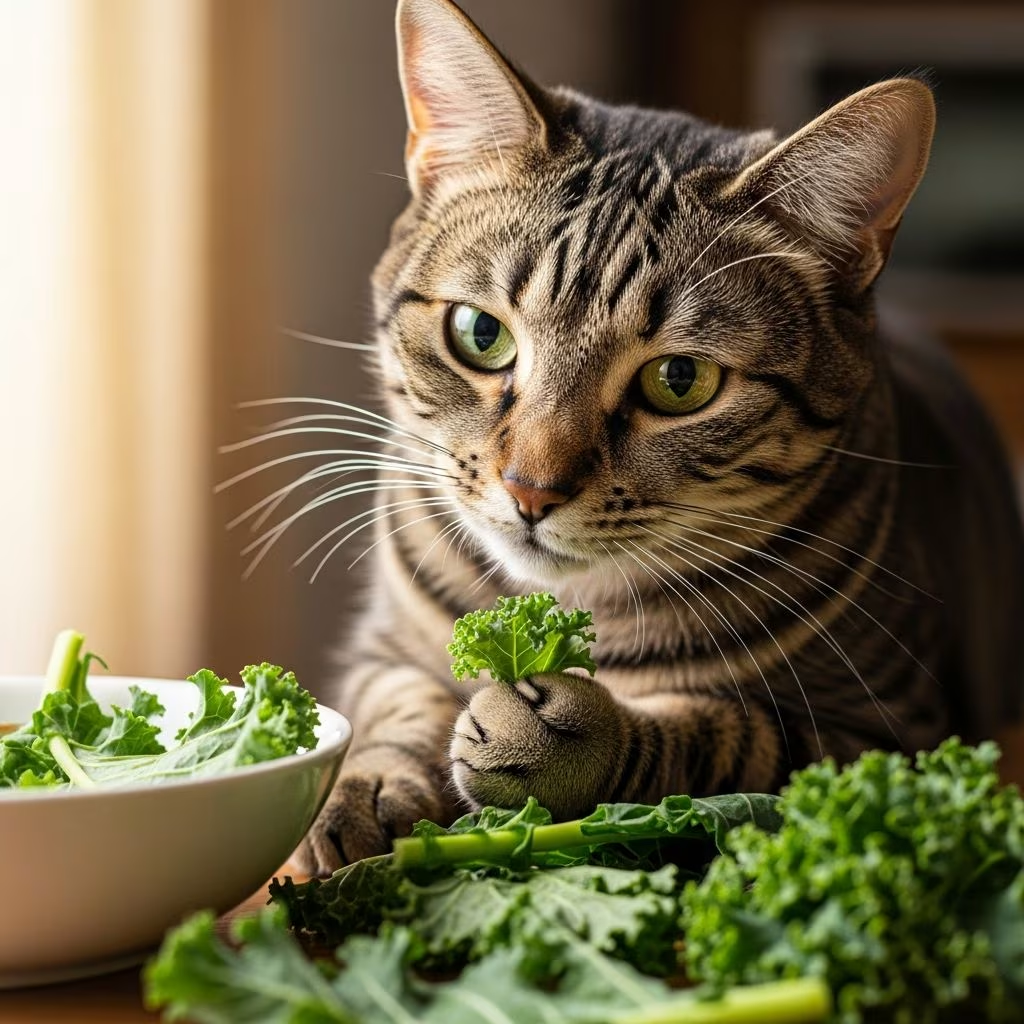
Can Cats Eat Kale? A Comprehensive Guide
If you’ve been wondering whether your feline companion can safely enjoy kale alongside you, the answer isn’t straightforward. While kale is renowned as a superfood for humans, offering an impressive array of vitamins and minerals, the situation for cats is more nuanced. There is no simple yes or no answer to whether cats can eat kale safely, as the decision depends on several factors including your cat’s health status, how the kale is prepared, and the quantity served. Before introducing any human food to your cat’s diet, including kale, it’s essential to consult with your veterinarian to ensure it aligns with your pet’s individual nutritional needs and health profile.
Nutritional Benefits of Kale for Cats
Kale is indeed packed with nutritional compounds that can offer health benefits when served appropriately to cats. This leafy green vegetable contains several vitamins and minerals that support feline wellness:
- Vitamin A: Essential for maintaining healthy vision and supporting immune function
- Vitamin K: Important for blood clotting and bone metabolism
- Vitamin C: Acts as an antioxidant to boost immune health
- Vitamin B6: Supports brain development and function
- Calcium and Potassium: Crucial minerals for bone health and cardiovascular function
- Copper and Manganese: Essential trace minerals for various metabolic processes
- Fiber: Promotes healthy digestion and helps maintain regular bowel movements
- Antioxidants: Including beta-carotene, flavonoids, lutein, zeaxanthin, and polyphenols that help combat inflammation and support eye health
These nutrients can theoretically support your cat’s overall health, including eye health, immune function, and digestive regularity. The fiber content is particularly beneficial for cats that struggle with constipation or irregular digestion patterns.
Understanding Your Cat’s Dietary Needs
Before considering adding kale to your cat’s diet, it’s crucial to understand that cats are obligate carnivores. This means their bodies are biologically designed to derive the majority of their nutrition from animal-based proteins rather than plant matter. Unlike humans or even dogs, cats have specific nutritional requirements that are best met through meat sources.
In the wild, cats would consume their prey whole, including bones, fur, feathers, and the contents of their prey’s digestive tract. This natural diet provided not just protein, but also essential fiber and various micronutrients. Domesticated cats, however, typically eat commercial cat food or homemade diets that may not replicate this natural nutritional balance perfectly. This is where carefully selected vegetables like kale can play a supplementary role, though they should never replace the primary protein sources in your cat’s diet.
When considering vegetables for your feline friend, remember that they should comprise no more than 5-10% of your cat’s total daily caloric intake. The remaining 90-95% should come from high-quality animal proteins that meet your cat’s essential amino acid requirements.
When Is Kale Okay for Cats to Eat?
Kale can be safely offered to most cats when it is properly prepared and served in appropriate quantities. The key to safely introducing kale involves several important steps:
Proper Preparation Methods
The way you prepare kale significantly impacts its digestibility and safety for your cat. Steam the kale leaves for a few minutes before serving to break down the cell walls, making them easier for your cat to digest. Cats cannot effectively break down raw vegetable cell walls, so cooking is essential. After steaming, finely chop or purée the kale into small, bite-sized pieces to prevent choking hazards and further aid digestion.
You can also prepare kale by boiling or baking it, though steaming and baking typically preserve more nutrients than boiling does. Regardless of the cooking method, avoid adding any seasonings, sauces, oils, or salt, as these can be harmful to your feline’s health.
Serving Only the Leaves
An important distinction when serving kale is to offer only the leaves to your cat, never the stems. Kale stems are significantly harder to digest than the leaves and pose a greater choking risk. Always separate the tender leaves from the tougher stems before preparation.
Portion Control
When introducing kale to your cat’s diet, start with very small amounts. A piece the size of your fingernail or smaller is an appropriate starting portion. Gradually observe your cat’s reaction over several days before offering any more. If your cat shows no adverse reactions such as vomiting, diarrhea, or loss of appetite, you may continue offering kale as an occasional treat.
Remember that kale should be an occasional supplement to your cat’s regular diet, not a regular component. Think of it as a treat to offer once or twice per week at most, rather than a daily addition to their meals.
When Is Kale Bad for Cats?
While kale can offer benefits when served appropriately, there are significant concerns that make it unsuitable for some cats and potentially problematic if fed too frequently or in large quantities.
Risk of Heinz Body Anemia
The most significant health concern associated with kale consumption in cats is the potential for Heinz Body anemia. This is a serious medical condition where the red blood cells cease to function properly. Some experts suggest that certain compounds in kale could trigger this condition in feline patients, particularly if consumed regularly or in large amounts.
Heinz Body anemia occurs when oxidative damage affects hemoglobin within red blood cells, causing them to clump and become damaged. Affected cats may experience lethargy, weakness, pale gums, and difficulty breathing. This condition requires immediate veterinary intervention and can be life-threatening if left untreated.
Oxalate Crystal Concerns
Kale contains oxalates, which can contribute to the formation of urinary crystals and stones in susceptible cats. If your cat has a history of urinary tract issues, kidney stones, or bladder crystals, kale should be avoided entirely. Discuss your cat’s urinary health history with your veterinarian before introducing any new foods.
Digestive Upset
Some cats may experience digestive disturbances when eating leafy greens like kale, even when properly prepared. Vomiting, diarrhea, or general gastrointestinal upset can occur, particularly if your cat’s digestive system is sensitive or if too much kale is introduced too quickly.
Dietary Imbalance
The primary concern with any vegetable in a cat’s diet is that it may displace essential animal proteins and nutrients that cats require. If vegetables comprise too large a percentage of your cat’s daily food intake, it can lead to nutritional deficiencies, particularly in taurine, arginine, and other essential amino acids found exclusively in animal proteins.
Safe Preparation and Serving Guidelines
If you’ve consulted with your veterinarian and determined that kale is appropriate for your individual cat, follow these guidelines to ensure safe consumption:
- Choose fresh, high-quality kale from reputable sources and never offer spoiled or moldy vegetables, as these contain harmful bacteria and toxins.
- Wash the kale thoroughly under running water to remove any pesticides or contaminants.
- Remove the stems and use only the tender leaves for your cat.
- Cook the kale by steaming, boiling, or baking—never serve raw.
- Purée or finely chop the cooked kale into small, manageable pieces.
- Avoid all seasonings, including salt, garlic, onion, and oils.
- Mix small amounts into your cat’s regular food or offer as an occasional treat.
- Limit frequency to once or twice weekly at most.
- Monitor closely for any signs of adverse reactions including vomiting, diarrhea, lethargy, or loss of appetite.
- Stop immediately and contact your veterinarian if any negative symptoms develop.
Vegetables to Avoid for Cats
While kale can be safe in moderation, many vegetables and foods are genuinely toxic to cats and should always be avoided:
- Onions and Garlic: These can damage a cat’s red blood cells and cause hemolytic anemia.
- Avocado: Contains persin, a fungicidal toxin that can cause serious gastrointestinal issues and heart damage in cats.
- Raw Potatoes: Contain solanine, a toxic alkaloid that can cause gastrointestinal upset and, in severe cases, neurological symptoms.
- Tomatoes (green parts): The unripe fruit and foliage contain solanine, which is harmful to cats.
- Certain Mushroom Varieties: Some mushroom species are highly toxic and can cause serious organ damage.
- Chocolate: Contains theobromine, which is toxic to cats and can cause seizures and cardiac arrhythmias.
- Grapes and Raisins: Can cause acute kidney failure in cats.
- Xylitol (artificial sweetener): Causes severe hypoglycemia and liver damage in cats.
When in doubt about any food, contact your veterinarian before offering it to your cat.
Healthy Vegetable Alternatives for Cats
If you want to supplement your cat’s diet with vegetables besides kale, several alternatives are generally considered safer and may be more beneficial:
- Pumpkin: Rich in fiber and excellent for digestive health and hairball prevention.
- Green Beans: Low in calories, high in fiber, and a good source of vitamins C and K.
- Carrots: Provide beta-carotene and can be helpful for dental health when served raw or cooked.
- Broccoli: Contains beneficial nutrients but should be offered in very small amounts due to thyroid considerations.
- Butternut Squash: A nutritious, easily digestible option rich in vitamins and fiber.
All vegetables should still be prepared by cooking and pureeing, kept to 5-10% of dietary intake, and introduced gradually with veterinary approval.
Consulting Your Veterinarian
The most important step in determining whether kale or any other human food is appropriate for your cat is consulting with your veterinarian. Your vet can evaluate your cat’s individual health status, nutritional needs, any existing medical conditions, and medication interactions. Cats with certain health conditions, including kidney disease, urinary tract issues, anemia, or digestive disorders, may be particularly susceptible to adverse reactions from kale.
If your cat has accidentally consumed a small piece of kale, there’s generally no cause for immediate alarm, as a tiny amount is unlikely to cause serious harm. However, if your cat has eaten a large quantity or is showing any signs of distress, contact your veterinarian promptly.
Frequently Asked Questions (FAQs)
Q: Can kittens eat kale?
A: Kittens have even more specialized nutritional requirements than adult cats, requiring high amounts of specific amino acids and nutrients from meat sources for proper development. It’s best to avoid introducing kale to kittens and focus entirely on kitten-formulated nutrition.
Q: Is raw kale safe for cats?
A: No, raw kale should not be fed to cats. The raw vegetable cell walls cannot be effectively digested by felines, and cooking breaks down these structures, making the nutrients more bioavailable and safer for consumption.
Q: What should I do if my cat ate kale accidentally?
A: If your cat consumed a small piece of kale from your plate, it’s typically not an emergency. Monitor your cat for 24-48 hours for any signs of vomiting, diarrhea, or lethargy. If symptoms develop or your cat consumed a large quantity, contact your veterinarian immediately.
Q: How often can I safely feed kale to my cat?
A: Kale should only be offered as an occasional treat, no more than once or twice per week at most, and only in tiny amounts. Regular daily consumption increases the risk of health complications.
Q: Are there any cats that should never eat kale?
A: Yes, cats with a history of urinary tract infections, kidney stones, bladder crystals, anemia, kidney disease, or digestive disorders should avoid kale entirely. Additionally, any cat showing signs of sensitivity to vegetables should not be fed kale.
Q: Can I feed my cat commercial cat food products containing kale?
A: Some commercial cat food products include kale as an ingredient. If your cat’s regular food contains kale and your cat is thriving with no health issues, this is generally acceptable. However, check with your veterinarian and ensure that meat proteins remain the primary ingredient.
Q: What are signs that my cat is having a negative reaction to kale?
A: Watch for vomiting, diarrhea, constipation, lethargy, decreased appetite, pale gums, difficulty breathing, or changes in urinary habits. Any of these symptoms warrant immediate veterinary attention.
Conclusion
While kale is undeniably nutritious for humans and contains vitamins and minerals that could theoretically benefit cats, the reality is more complicated. The potential risks, including Heinz Body anemia, oxalate crystal formation, and digestive upset, combined with cats’ obligate carnivore status, make kale a questionable choice for most feline diets. If you choose to offer kale to your cat, do so only after consulting with your veterinarian, in very small portions, with proper preparation, and as a rare treat rather than a dietary staple. Your cat’s health and nutritional needs are best served by focusing on high-quality animal protein sources and leaving the superfood trends to the humans in your household.
References
- Can Cats Eat Kale? Is Kale Safe For Cats? — CatTime. 2024. https://cattime.com/cat-facts/health/43698-can-cats-eat-kale-safe
- Cat superfoods – Kale offers a natural power boost — Catit. 2024. https://www.catit.com/spotlight/cat-superfoods-kale-offers-a-natural-power-boost/
- Top Veggies Cats Can Eat Without Any Harm — Holistic Vet Blend. 2024. https://holisticvetblend.com/blogs/news/top-veggies-cats-can-eat-without-any-harm
- 15 Holiday Foods for Cats to Avoid — Tomlinson’s Feed. 2024. https://tomlinsons.com/blogs/articles/poisonous-foods-for-cats



