

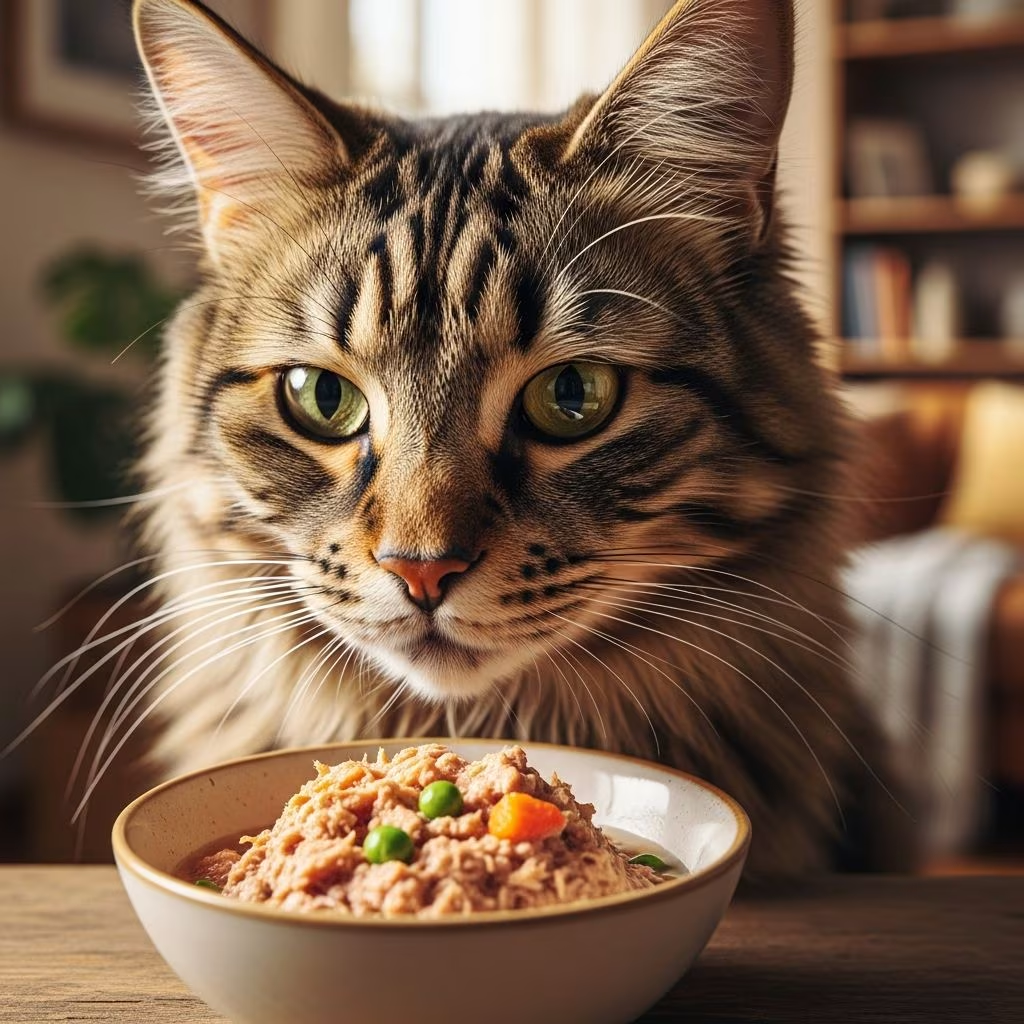
Felines are obligate carnivores with specific nutritional needs, and their diet plays a crucial role in overall health. While many cat owners mix wet and dry foods, some wonder if an exclusive wet food diet is viable. Yes, cats can eat just wet food, provided it is nutritionally complete and balanced, offering benefits like enhanced hydration and support for certain health conditions, though it comes with practical considerations.
Quick Answer: Can Cats Eat Only Wet Food?
Cats can safely eat only wet food as their primary or exclusive diet if it meets AAFCO standards for complete nutrition. This approach mimics their ancestral prey-based diet, which is high in moisture (over 60-80%), promoting better hydration than dry kibble alone. Veterinary experts note that healthy cats with access to fresh water can thrive on wet food, but individual needs vary based on age, health, and activity level.
Understanding Wet Cat Food
Wet cat food, often called canned or pouch food, contains 70-87% moisture, making it less calorie-dense than dry kibble (which has about 10% moisture). This high water content closely resembles the hydration from fresh prey cats consumed in the wild. Brands like Wellness CORE+ offer pate-style wet foods tailored for digestion, urinary health, and more.
Key components include high-quality proteins, fats, and minimal carbohydrates, aligning with a cat’s carnivorous requirements. Unlike dry food, wet varieties are typically more palatable, encouraging consistent intake, especially for picky eaters or seniors.
Pros and Cons of Feeding Cats Only Wet Food
An all-wet-food diet has distinct advantages and challenges. Below is a comparison table highlighting key aspects:
| Aspect | Pros of Wet-Only Diet | Cons of Wet-Only Diet |
|---|---|---|
| Hydration | Boosts water intake (up to 80% moisture), reducing dehydration risk; cats drink less supplemental water. | Cats may still need water access; over-reliance without monitoring could mask low thirst drive issues. |
| Digestion | High moisture eases stool passage, prevents constipation; softer texture suits dental issues. | Sudden switches can cause diarrhea; introduce gradually. |
| Calories/Weight | Lower calorie density (0.8-1.5 kcal/g) aids weight management; bulkier for satiety. | Requires portion control; free-feeding risks overeating if palatability is high. |
| Cost/Convenience | Highly palatable for finicky cats. | More expensive; spoils quickly if uneaten (discard after 1-2 hours). |
Health Benefits of Wet Food for Cats
Increased Hydration and Urinary Health
Cats have a low thirst drive, evolved from desert-dwelling ancestors, leading to concentrated urine and risks like urinary tract disease (LUTD). Wet food dilutes urine, lowering risks of cystitis, bladder stones, and blockages—especially in males. Studies show cats on wet diets maintain better hydration than those on dry, even with water available.
Kidney Disease Support
Chronic kidney disease (CKD) affects many senior cats, exacerbated by dehydration. Wet food’s moisture helps flush kidneys, reducing phosphorus workload; renal-support formulas are low in protein and phosphorus. Contrary to myths, dry food does not cause CKD, but wet diets aid management.
Digestive Health and Constipation Prevention
The moisture and fiber in wet foods promote smooth digestion, preventing constipation—a common issue in dehydrated cats. For diarrhea-prone cats, gentle recipes like those for sensitive stomachs minimize upset.
Weight Management and Diabetes Prevention
Obesity links to dry food free-feeding due to higher calorie density (3-4+ kcal/g). Wet food’s lower calories support weight loss; maintaining ideal body condition guards against diabetes better than food type alone.
Dental Considerations
Wet food is soft, benefiting cats with dental disease or tooth loss, though it doesn’t scrape teeth like dry kibble. Regular vet dental checks are still essential.
Potential Risks and Drawbacks of an All-Wet-Food Diet
While beneficial, exclusive wet feeding isn’t perfect. Spoilage risk is high—uneaten portions can bacterial contaminate within hours, causing GI upset. Cost is 2-3 times higher than dry, and storage requires refrigeration post-opening.
Nutritional completeness is key; not all wet foods balance taurine, vitamins, or minerals adequately. Overfeeding palatable wet food can lead to obesity if portions aren’t measured. Some cats develop litter box aversions from stronger urine smells, though evidence is anecdotal.
Research indicates no universal LUTD risk from dry food, and mixed diets may balance benefits. For healthy cats, dry food with filtered water and indoor living even correlates with lower CKD risk in some studies.
Is Wet Food Better Than Dry Food for Cats?
No single food type is universally superior; it depends on the cat. Wet excels in hydration and palatability, ideal for health-issue cats, while dry offers convenience and dental abrasion. Studies show cats self-regulate hydration across diets if protein/minerals align.
A combination often works best: wet for moisture, dry for grazing. Consult vets for tailored advice, especially for breeds prone to urinary issues like Persians.
What Does Science Say About Cats Eating Only Wet Food?
Peer-reviewed studies favor wet diets for urolith-prone cats, showing preferable outcomes over dry. Hydration studies confirm wet food boosts total fluid intake, though cats adjust drinking. Obesity links exist with dry free-feeding, but factors like neutering and treats dominate. PMC research debunks dry food as CKD cause, emphasizing balanced nutrition.
International Cat Care endorses wet for urinary, constipation, and overweight cats. Overall, science supports wet-only for specific needs but not as a blanket rule.
FAQs
Can cats live on wet food alone?
Yes, nutritionally complete wet food sustains cats lifelong, supporting hydration and health better for some.
Is wet food better for cats than dry?
Wet aids hydration and weight; dry is convenient. Best choice depends on your cat’s needs.
Does wet food clean cats’ teeth?
No, it doesn’t abrade plaque like dry; dental treats or vet care supplement.
Can wet food cause diarrhea in cats?
Possibly if introduced abruptly; gradual transition prevents issues.
How much wet food should I feed my cat?
Follow label guidelines based on weight/age; e.g., 4-6 oz daily for 10-lb cat, split into meals. Vet-adjust for conditions.
Tips for Transitioning to a Wet-Only Diet
- Introduce gradually over 7-10 days: mix 25% new with 75% old, increasing weekly.
- Portion daily allowance into 3-4 meals to mimic hunting; discard uneaten after 1 hour.
- Choose AAFCO-approved, high-protein formulas; rotate flavors for variety.
- Monitor weight, urine output, stool; annual vet bloodwork ensures balance.
- Provide fresh water; fountains encourage drinking.
Conclusion: Best Diet for Your Cat
An all-wet-food diet suits many cats, especially those needing hydration support, but assess individually. Pair with vet guidance for optimal health—your cat’s purr-fect nutrition awaits the right balance.
References
- September Newsletter: Dry Food vs. Wet Food: Which is Better for Your Cat? — Riverbank Pet. 2023. https://www.riverbankpet.com/september-newsletter-dry-food-vs-wet-food-which-is-better-for-your-cat/
- Is Wet or Dry Food Better for Cats? — Falls Village Veterinary Hospital. 2024. https://raleighncvet.com/nutrition-weight-management/is-wet-or-dry-food-better-for-cats/
- The Benefits of Wet Food for Cats with Specific Health Conditions — Wellness Pet Food. 2024. https://www.wellnesspetfood.com/blog/the-benefits-of-wet-food-for-cats-with-specific-health-conditions/
- Commercial vs Homemade Cat Diets: What you need to know — PMC (PubMed Central). 2024-05-15. https://pmc.ncbi.nlm.nih.gov/articles/PMC11104037/
- Should I feed my cat wet or dry food? — International Cat Care. 2023. https://icatcare.org/articles/should-i-feed-my-cat-wet-or-dry-food
- Wet vs. Dry Cat Food, or Both? — PetMD. 2024. https://www.petmd.com/cat/nutrition/wet-cat-food-vs-dry-cat-food-which-better



