

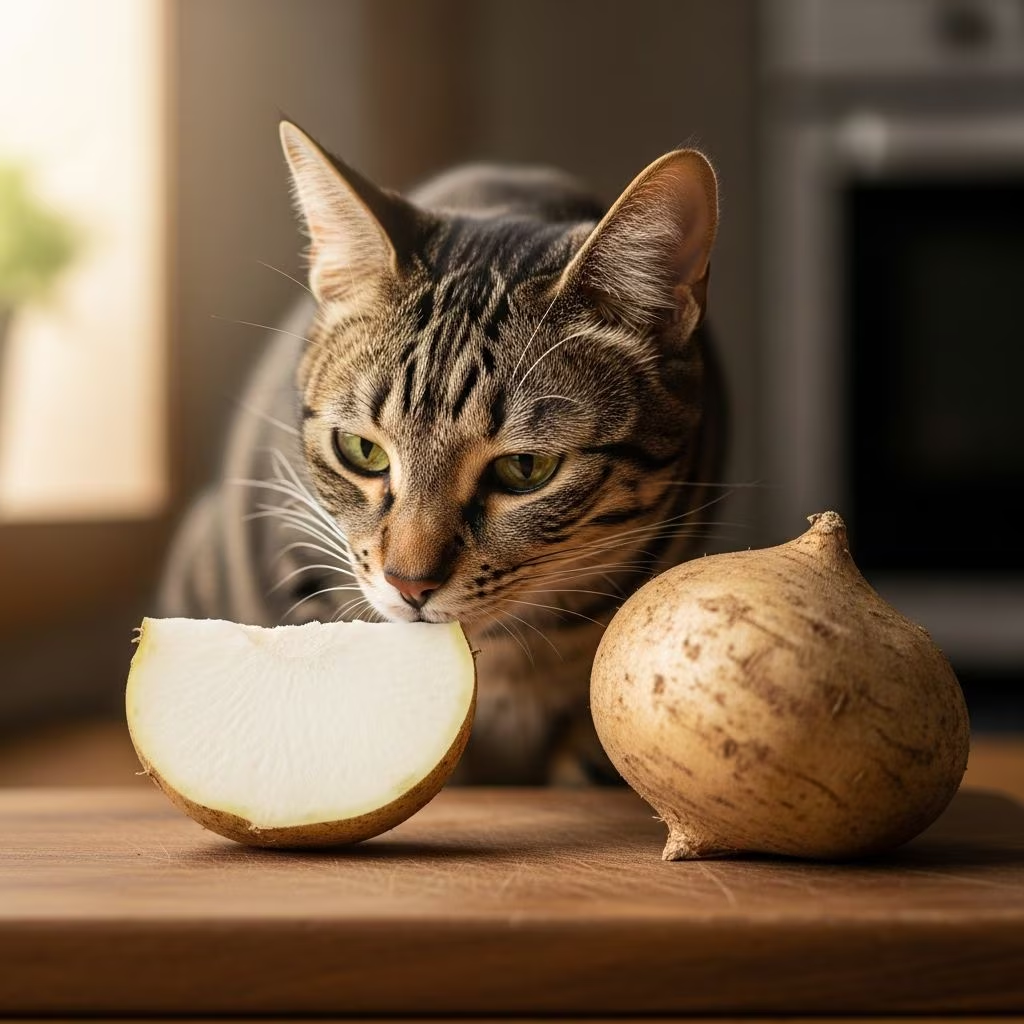
Jicama, also known as Mexican yam or Mexican turnip, is a crunchy root vegetable popular in salads and snacks for its mild, sweet flavor and high water content. Many cat owners wonder if this low-calorie treat can be shared with their feline companions. The short answer is yes, cats can eat jicama in small amounts, but it should not be a staple in their diet. As obligate carnivores, cats derive most nutrition from animal proteins and fats, making plant-based foods like jicama more of an occasional treat than a necessity.
This comprehensive guide covers everything you need to know about feeding jicama to cats, including its nutritional profile, benefits, potential risks, safe preparation methods, and alternatives. Backed by veterinary insights, we’ll help you make informed decisions to keep your cat healthy and happy.
What Is Jicama?
Jicama (Pachyrhizus erosus) is a tuberous root vegetable native to Central and South America, often eaten raw for its crisp texture similar to water chestnuts or pears. Its skin is tough and inedible, while the white flesh inside is juicy, slightly sweet, and packed with water—about 90% of its composition. Nutritionally, jicama is low in calories (38 kcal per 100g), with minimal protein (0.7g), low fat (0.1g), and 9g of carbohydrates, primarily fiber (5.9g). It provides small amounts of vitamin C (20.2mg per 100g), potassium (150mg), and antioxidants like oligofructose inulin.
For humans, jicama supports digestion, hydration, and weight management due to its high fiber and water content. However, cats have unique dietary needs as obligate carnivores, requiring at least 26% protein and 9% fat in their diet, with minimal carbohydrates. The AAFCO (Association of American Feed Control Officials) guidelines emphasize animal-derived nutrients like taurine, arachidonic acid, and arginine, which plants cannot fully provide. Thus, while jicama is non-toxic, it offers little essential nutrition for cats.
Nutritional Value of Jicama for Cats
Jicama’s nutritional profile is modest for felines. Here’s a breakdown per 100g serving compared to a cat’s daily needs:
| Nutrient | Amount in Jicama (100g) | Cat’s Daily Requirement (Adult, ~4kg cat) | Relevance for Cats |
|---|---|---|---|
| Calories | 38 kcal | 200-300 kcal total | Low-calorie filler; not energy-dense like fats/proteins |
| Protein | 0.7g | 10-20g (40-50% of diet) | Insufficient; cats need complete animal proteins with taurine |
| Fat | 0.1g | 4-9g (9%+ of diet) | Negligible; lacks essential arachidonic acid from animal sources |
| Carbohydrates/Fiber | 9g / 5.9g | Minimal (<10% ideal) | Excess fiber can cause digestive upset; no strict fiber req. per AAFCO |
| Vitamin C | 20mg | Not required (cats synthesize it) | Redundant |
| Potassium | 150mg | Moderate needs | Minor hydration aid |
While jicama provides hydration and some fiber for mild digestive support, it lacks the protein, fats, taurine, and other essentials cats cannot synthesize. Studies show cats thrive on diets with 40%+ protein to maintain lean mass, and low-fat diets can harm health long-term. Jicama is better as a hydrating crunch than a nutrient source.
Can Cats Eat Jicama? The Verdict
Yes, plain, peeled jicama is safe and non-toxic for cats in small amounts—no more than a few thin slices (1-2 teaspoons) a few times a week. The ASPCA and Pet Poison Helpline confirm jicama poses no toxicity risk, unlike onions, garlic, or chocolate. However, it’s not nutritionally beneficial and should never replace commercial cat food meeting AAFCO standards.
- Pros: Hydrating (90% water), low-calorie, crunchy texture for dental stimulation, mild fiber for occasional gut motility.
- Cons: Low protein/fat, potential for digestive upset from fiber, choking hazard if unpeeled/large pieces.
Veterinarians recommend treats comprise no more than 10% of a cat’s calories to avoid nutritional imbalances.
Benefits of Jicama for Cats
Though not essential, jicama offers minor perks:
- Hydration Boost: High water content helps with fluid intake, especially for cats prone to dehydration or urinary issues.
- Dental Health: Crunchy texture may scrape tartar, similar to raw carrot benefits (though evidence is anecdotal).
- Low-Calorie Treat: Ideal for overweight cats; fiber promotes satiety without calories.
- Antioxidants: Inulin prebiotic may support gut bacteria mildly, per human studies (cat-specific data limited).
These benefits are supplementary; cats get core hydration and dental care from wet food and toys.
Potential Risks and Dangers
Moderation is key—overfeeding jicama can lead to issues:
- Digestive Upset: High fiber may cause vomiting, diarrhea, or gas, as cats’ short digestive tracts handle plants poorly.
- Choking Hazard: Tough skin or large chunks pose risks; always peel and cut small.
- Seasonings: Avoid salted, oiled, or dipped jicama—sodium, oils, and spices (e.g., chili) are toxic.
- Nutritional Deficiency: Relying on veggies displaces protein-rich food, risking taurine deficiency (blindness, heart disease).
- Pesticides: Wash thoroughly; organic preferred.
Symptoms to watch: lethargy, persistent vomiting, blood in stool—contact vet immediately.
How to Safely Prepare Jicama for Cats
- Select Fresh: Firm, unblemished jicama without mold.
- Peel Thoroughly: Remove fibrous brown skin completely—it’s indigestible.
- Cut Small: Dice into 1/4-inch pieces or thin sticks to prevent choking.
- Plain Only: No seasonings, dressings, or cooking (raw preserves crunch).
- Introduce Gradually: Start with tiny amounts to monitor tolerance.
- Store Properly: Refrigerate cut pieces in airtight container up to 1 week.
Frequency: 1-2 times weekly, <10% of calories.
How Much Jicama Can Cats Eat?
Portion based on cat’s size/weight:
- Kitten (under 1 year): Avoid or pea-sized amounts.
- Adult (4kg): 1-2 tsp (5-10g) max per serving, 1-2x/week.
- Senior/Overweight: Up to 1 tbsp if tolerated.
Calculate: Treats ≤10% daily calories (e.g., 250kcal diet = 25kcal treats max). Jicama’s low density makes this easy.
Alternatives to Jicama for Cats
Better, cat-appropriate treats:
| Treat | Benefits | Frequency |
|---|---|---|
| Commercial Cat Treats | Balanced nutrition, taurine-enriched | Daily, per label |
| Cooked Chicken/Turkey | High protein, low fat | Small pieces 2-3x/week |
| Green Beans/Pumpkin | Fiber for digestion, low-cal | 1 tsp daily |
| Fish (cooked, no bones) | Omega-3s for coat/skin | Occasional |
Stick to animal proteins for optimal health.
A Cat’s Basic Dietary Requirements
Cats need:
- Protein (26-50%): For muscle, energy; taurine prevents DCM.
- Fat (9%+): Energy, omegas, vitamin absorption; yields metabolic water.
- Low Carbs: <10%; excess leads to obesity.
- Vitamins/Minerals: AAFCO-listed, from meat (e.g., B12, zinc).
Commercial foods ensure balance.
Frequently Asked Questions (FAQs)
Can cats safely eat jicama?
Yes, plain peeled jicama is safe in small amounts but offers no major nutritional benefits.
What should I do if my cat shows signs of stomach upset after eating jicama?
Monitor for vomiting/diarrhea; withhold food 12 hours, offer water. Persists? See vet.
Is the skin of jicama safe for cats?
No, it’s tough and indigestible—always peel.
Can jicama help with cat constipation?
Mildly via fiber, but pumpkin or vet advice better.
Are there veggies better than jicama for cats?
Yes, steamed green beans or carrots for fiber without excess carbs.
References
- Cat Jicama Safety — Dial A Vet. 2023. https://www.dialavet.com/vet-answers/post/cat-jicama-safety-49893
- Can Cats Eat Oatmeal? Vet-Reviewed Facts & Considerations — Catster. 2023. https://www.catster.com/nutrition/can-cats-eat-oatmeal/
- Can Cats Eat Hamburgers? Vet-Approved Feline Treats — Catster. 2023. https://www.catster.com/nutrition/can-cats-eat-hamburgers/
- Can Cats Eat Veggie Straws? Vet-Verified Facts & FAQ — Catster. 2023. https://www.catster.com/nutrition/can-cats-eat-veggie-straws/
- Nutritional Guidelines for Cats (AAFCO) — AAFCO Official Site. 2024. https://www.aafco.org/



