

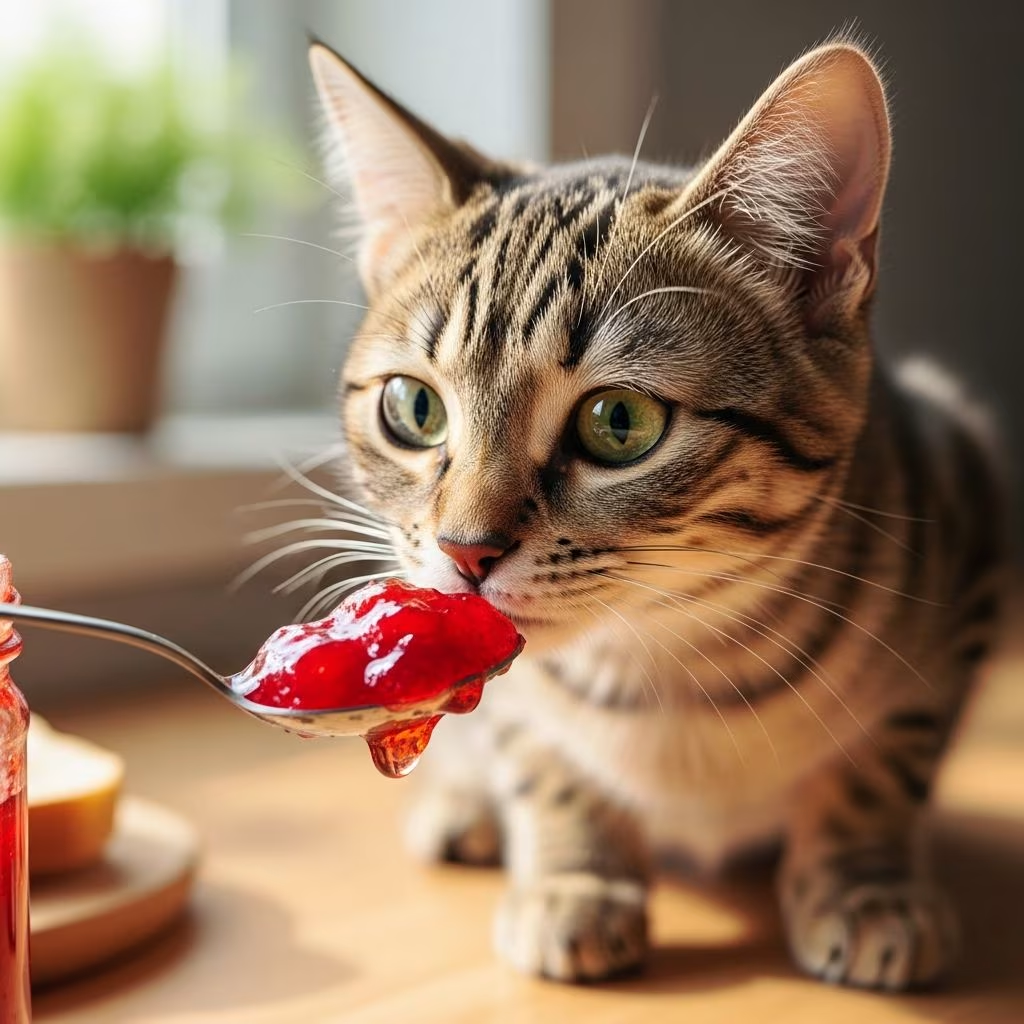
Cats should not eat jelly or jam regularly due to high sugar content, lack of nutritional value, and potential toxins in certain flavors. While small amounts of most fruit-based jellies won’t cause immediate harm, they offer no benefits for obligate carnivores and can lead to obesity, diabetes, and digestive upset.
Quick Answer: Can Cats Eat Jelly?
In tiny amounts, plain fruit jellies (except grape) are not toxic to cats, but they provide zero essential nutrients like proteins and taurine that cats require from meat. High sugar levels make them unsuitable as treats, potentially causing weight gain and health issues over time. Opt for vet-approved cat foods instead.
What Is Jelly (Jam)?
Jelly and jam are human spreads made primarily from fruit juice or puree, pectin (a gelling agent), and large amounts of sugar for preservation and sweetness. Jelly is smoother and clearer, strained from fruit solids, while jam includes fruit pieces. Both are cooked down to a thick consistency, often with added flavors or preservatives. For cats, these are irrelevant treats since felines lack the enzymes to efficiently digest fruit carbs or sugars.
- Key ingredients: Fruit (e.g., grapes, strawberries), sugar (up to 60% by weight), pectin, citric acid.
- Why cats can’t process it well: Cats are obligate carnivores needing 50-60% protein and minimal carbs (under 10% of diet).
Is Jelly Bad for Cats?
Yes, jelly is generally bad for cats when given beyond a rare lick. It lacks proteins, fats, taurine, and vitamins essential for feline health, while excess sugar disrupts their carnivorous metabolism. Regular consumption risks obesity, insulin resistance, dental issues, and gastrointestinal distress like diarrhea or vomiting.
Cats derive no nutritional benefits from jelly, as it misses high-quality animal proteins needed for muscle maintenance and growth. Sugary preferences can also lead them to reject balanced kibble or wet food, causing deficiencies.
| Aspect | Jelly/Jam for Cats | Ideal Cat Food |
|---|---|---|
| Protein | Negligible | High (animal-based) |
| Sugar/Carbs | High (harmful) | Low |
| Fats | Low/none | Balanced (e.g., from meat broth) |
| Taurine | Absent | Essential (from organs/meat) |
Why Is Jelly Bad for Cats?
Several factors make jelly unsuitable:
- High sugar: Cats can’t metabolize fructose efficiently, leading to rapid blood sugar spikes. Chronic exposure increases diabetes risk, especially in overweight cats.
- No nutritional value: Fruit carbs don’t fulfill carnivore needs; cats require meat-derived nutrients.
- Artificial additives: Preservatives, colors, and flavors irritate sensitive stomachs.
- Caloric density without satiety: Sugar provides empty calories, promoting overeating and fat gain.
Can Cats Eat Jelly? (By Flavor)
Grape Jelly
Never give grape jelly to cats. Grapes and raisins contain unknown toxins that cause acute kidney failure in pets, even in small amounts. Symptoms include vomiting, lethargy, and reduced urine output—seek emergency vet care if ingested.
Strawberry, Blueberry, or Blackberry Jelly
These are safer in trace amounts but still high in sugar. Berries aren’t toxic, but frequent feeding risks obesity and GI upset. Limit to accidental licks only.
Sugar-Free Jelly
Avoid entirely. Sugar substitutes like xylitol (common in low-sugar products) are highly toxic to cats, causing hypoglycemia, seizures, and liver failure. Even non-xylitol options lack feline nutrition.
What Happens If a Cat Eats Jelly?
Small tastes (1-2 licks) rarely cause issues beyond mild tummy upset. Larger amounts trigger:
- Digestive problems: Gas, diarrhea, vomiting from fruit fiber and sugar fermentation.
- Obesity/diabetes: Repeated exposure adds empty calories, stressing the pancreas.
- Toxin risks: Grape or xylitol varieties can lead to kidney/liver damage or death.
Monitor for lethargy, vomiting, or abnormal stools. Contact a vet if symptoms persist; most recover from one-time overindulgence without long-term effects.
Benefits of Jelly for Cats
There are no proven benefits. Jelly doesn’t supply proteins for growth, taurine for heart/eye health, or fatty acids for skin/coat. Claims of hydration are false—dedicated wet cat foods provide moisture with nutrients.
Some cats pick jelly from wet food due to texture preference, not nutrition. This signals potential issues with the underlying food’s palatability.
Healthier Alternatives to Jelly for Cats
Stick to meat-based options mimicking a cat’s natural prey diet:
- Commercial wet cat food: Jelly or gravy varieties with real meat, organs, and broth. Look for AAFCO statements.
- Homemade treats: Plain cooked chicken, turkey, or fish (no seasoning)—tiny portions only.
- Cat-specific jellies: Pet foods in jelly form with animal proteins, taurine, vitamins (A, D, E), minerals (calcium, phosphorus), and fiber for digestion.
Jelly cat foods benefit frail or recovering cats with gentle textures and essential nutrients like fatty acids from broth.
Cat Jelly Food vs. Gravy: Which Is Better?
Both can be nutritious if formulated for cats. Key differences:
| Factor | Jelly | Gravy |
|---|---|---|
| Taste/Smell | Milder, less suspicious for picky eaters | Stronger meat flavor |
| Allergies | Gelatin sensitivity possible | Gluten/starch issues |
| Mess | No-drip, cleaner | Splattery |
| Digestion | Gentler for sensitive stomachs | Richer, potential GI upset |
Jelly suits kittens, seniors, or convalescents; gravy for robust appetites. Prioritize nutrient profiles over texture.
Essential Nutrients in Quality Cat Jelly Food
- Animal proteins/taurine: For heart, eyes, reproduction.
- Fatty acids: Shiny coat, healthy skin from meat broth.
- Vitamins (A, D, E, B): From meat sources.
- Minerals (calcium, phosphorus, etc.): Bone health, vision.
- Dietary fiber: Digestion, weight control.
Transitioning to high-quality jelly food yields benefits: better poo in 1 week, muscle tone in 2 months, optimal health in 4+ months.
Frequently Asked Questions (FAQs)
Can kittens eat jelly cat food?
Yes, quality jelly foods suit weaning kittens with sensitive stomachs, providing balanced nutrition without inappropriate fillers.
Is a little jelly off toast safe?
Non-toxic in tiny amounts, but avoid due to sugar and no benefits. Cats are carnivores—offer meat instead.
Why does my cat only eat jelly from wet food?
Often texture preference or food dissatisfaction. Mix flavors, warm food, or consult a vet for underlying issues.
Can diabetic cats have jelly?
No—sugar exacerbates blood glucose issues. Stick to low-carb prescription diets.
Final Thoughts
Skip human jelly and jam for your cat; they’re sugar bombs with no feline value. Choose meat-packed wet foods in jelly or gravy for hydration, palatability, and complete nutrition. Always read labels for real animal ingredients, avoiding grains, fillers, or excess carbs. Your cat will thrive on a proper carnivore diet, staying lean, energetic, and healthy long-term.
References
- Cat Jelly Food Can Be Incredibly Nutritious — Untamed. 2023. https://untamed.com/blogs/nutrition/cat-jelly
- Can Cats Eat Jelly (Jam)? Vet-Reviewed Facts & Safety Guide — Hepper. 2024-05-15. https://articles.hepper.com/can-cats-eat-jelly-jam/
- Can Cats Eat Jelly? Vet-Verified Facts — Huston Veterinary Clinic. 2024. https://hustonveterinary.com/can-cats-eat-jelly/
- What Human Foods Can Cats Eat? — Homes Alive Pets. 2023. https://blog.homesalive.ca/cat-blog/what-human-foods-can-cats-eat
- Why Does My Cat Only Eat Jelly Off Their Food? — Cats Protection. 2023. https://www.cats.org.uk/cats-blog/why-does-my-cat-only-eat-jelly-off-their-food
- Is It Safe If My Cat Ate a Little Bit of Jelly Off My Toast? — Dial A Vet. 2024. https://www.dialavet.com/vet-answers/cat-licked-jelly-safety-14270



