

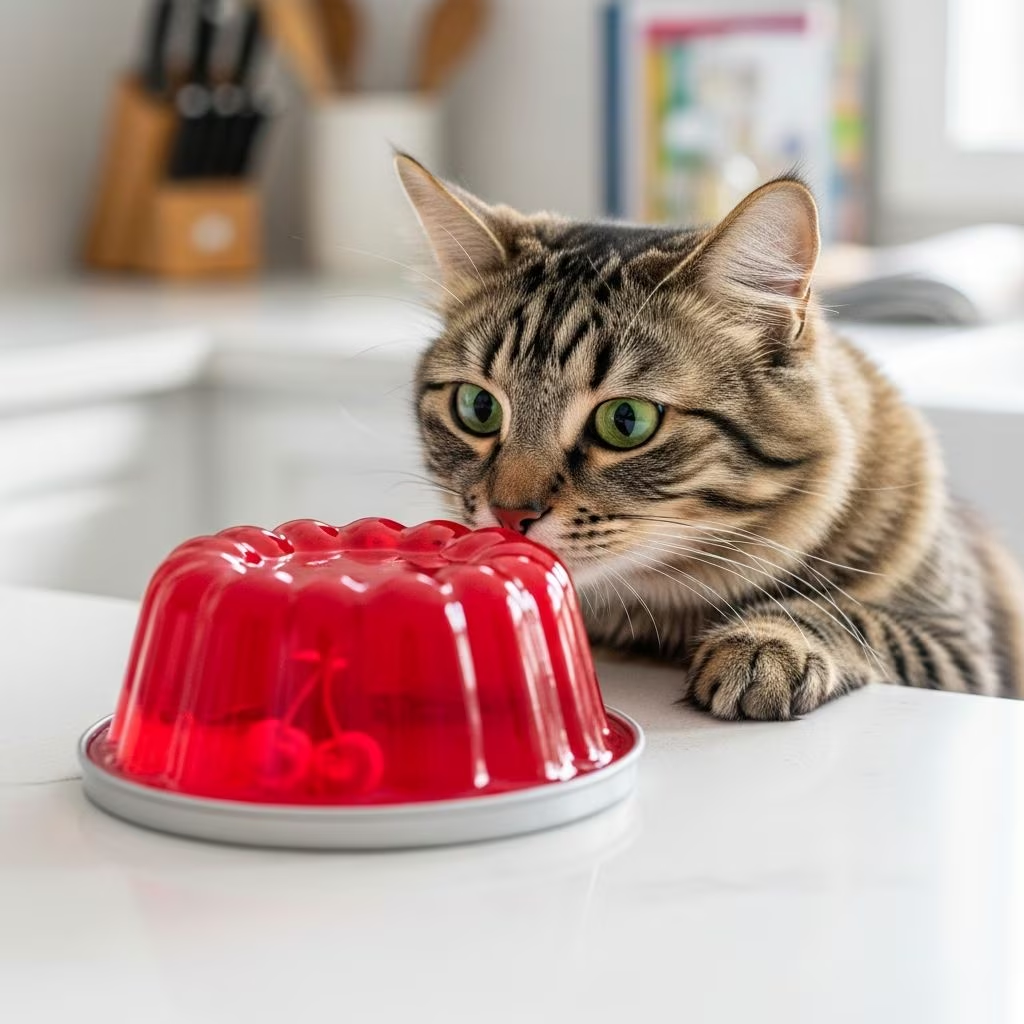
Cats are obligate carnivores, meaning their diet should primarily consist of meat-based proteins. Jell-O, a popular human dessert made from gelatin, sugar, and flavorings, raises questions about safety for feline consumption. While a small lick won’t typically cause immediate harm, regular or large amounts pose significant health risks due to added sugars and potential toxic ingredients.
Will Jell-O Kill My Cat?
Fortunately, a small amount of Jell-O snatched by your cat is unlikely to be fatal. Even varieties containing xylitol, which is highly toxic to dogs, require substantial ingestion to severely affect cats. However, the high sugar content and artificial additives can lead to digestive upset, obesity, or more serious issues over time. Always monitor your cat after they consume human foods and contact a vet if symptoms like vomiting or lethargy appear.
What Is Jell-O Made Of?
Jell-O primarily consists of gelatin derived from animal collagen, combined with sugar, artificial flavors, colors, and sometimes preservatives. Gelatin itself is a protein source that cats can digest, but the other components are problematic. Sugar provides empty calories irrelevant to a cat’s nutritional needs, while artificial sweeteners like xylitol in sugar-free versions can cause hypoglycemia or liver damage.
- Gelatin: Safe in plain form, offers minor joint support via amino acids like glycine.
- Sugar: Leads to weight gain, diabetes risk; cats lack sweet taste receptors.
- Artificial flavors/dyes: Potential allergens causing itching or stomach irritation.
- Xylitol (sugar-free): Toxic, though less so than in dogs; avoid entirely.
Is Gelatin Safe for Cats?
Plain, unflavored gelatin is generally safe for cats in moderation and can aid digestion or joint health due to its collagen content. Veterinary sources note it may help with hairballs or provide a low-calorie treat base. However, commercial Jell-O gelatin is never plain—it’s loaded with extras that negate benefits. Studies on cats show gelatin’s amino acids support coat health but aren’t a dietary staple.
Expand on this: Cats process gelatin efficiently as it’s animal-derived, but overfeeding causes diarrhea from rapid breakdown in their short digestive tract. Vets recommend no more than a teaspoon daily for a 10-lb cat, mixed into wet food if used therapeutically.
Can Cats Eat Sugar-Free Jell-O?
No, sugar-free Jell-O is particularly dangerous due to artificial sweeteners like xylitol. While cats are less sensitive than dogs, xylitol interferes with insulin release, potentially causing low blood sugar, seizures, or liver failure. Other sweeteners like aspartame offer no nutritional value and may upset sensitive stomachs. Steer clear of all sugar-free human desserts.
What Happens If a Cat Eats Jell-O?
Immediate effects from small amounts are mild: possible vomiting, diarrhea, or hyperactivity from sugar spikes. Long-term, repeated exposure contributes to obesity, dental issues, and diabetes—conditions rising in indoor cats. Allergic reactions to dyes manifest as skin rashes or itching. In rare cases of xylitol ingestion, symptoms escalate to weakness or collapse within hours—seek emergency care.
| Amount Ingested | Potential Effects | Action Needed |
|---|---|---|
| Tiny lick (<1 tsp) | None to mild GI upset | Monitor |
| Small amount (1-2 tbsp) | Vomiting, diarrhea | Watch closely; hydrate |
| Large amount or xylitol | Hypoglycemia, seizures | Vet immediately |
Conclusion
Jell-O isn’t toxic in tiny tastes but lacks benefits and carries risks from sugar, additives, and xylitol. As obligate carnivores, cats thrive on meat-rich diets; human treats disrupt this balance. Opt for vet-approved alternatives to keep your cat healthy and happy. Prioritize complete commercial cat foods meeting AAFCO standards, supplemented sparingly with safe treats.
FAQs
Can cats eat Jell-O?
No, it’s not recommended due to sugar and additives. Plain gelatin is safer but unnecessary.
Is gelatin good for cats?
Plain gelatin supports joints and digestion in moderation but isn’t essential.
What if my cat ate Jell-O?
Small amounts usually pass harmlessly; monitor for vomiting or lethargy and call vet if concerned.
Are there safe treats like Jell-O for cats?
Yes, try freeze-dried meat, tuna flakes, or commercial gelatin chews without sugar.
Why can’t cats have sugary treats?
Cats don’t metabolize sugar well, risking obesity and diabetes.
References
- Can Cats Eat Jell-O? Nutritional Facts & Safety Guide — Hepper. 2024. https://articles.hepper.com/can-cats-eat-jell-o/
- Can Cats Eat Jelly? Understanding the Risks and Benefits — Desk Cat Nest. 2024. https://deskcatnest.com/blogs/blog/can-cats-eat-jelly
- Can Cats Eat Gelatin? Is It Safe for Cats? — Dial A Vet. 2024. https://www.dialavet.com/blog/can-cats-eat-gelatin
- Can Cats Eat Jello? Safety & Nutrition Guide — Zoorithm. 2024. https://www.zoorithm.com/cats/can-cat-eat-jello
- Can Cats Eat Jello? Vet-Verified Facts — Huston Veterinary Clinic. 2024. https://hustonveterinary.com/can-cats-eat-jello/
- Can Cats Eat Jello? Thanksgiving Treats and Safe Foods — Walking Dogs in Weber County. 2024-11-13. https://walkingdogsinwebercounty4.wordpress.com/2024/11/13/can-cats-eat-jello-thanksgiving-treats-and-safe-foods-for-your-feline-friend/
- Can Cats Eat Jell-O? Vet-Approved Nutrition Advice — Catster. 2024. https://www.catster.com/cat-health-care/can-cats-eat-jell-o/



