

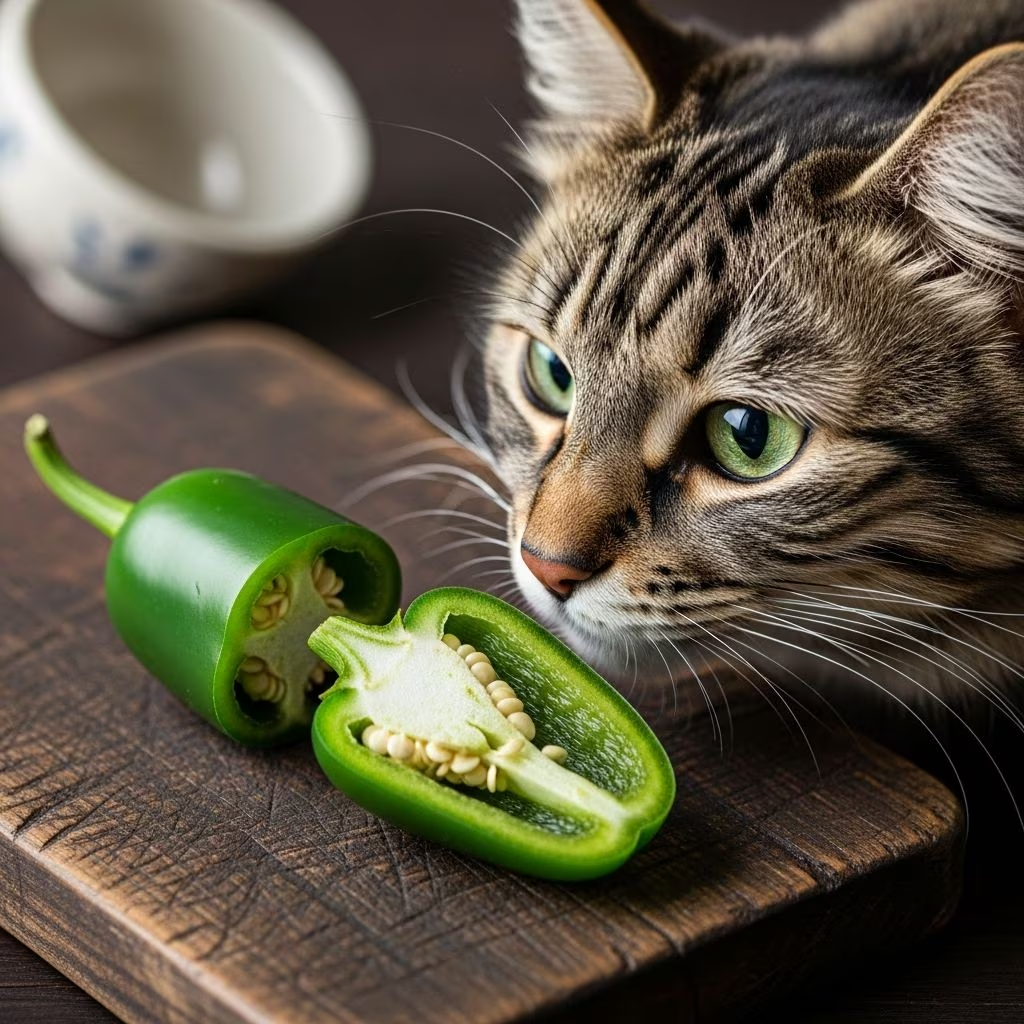
Can Cats Eat Jalapenos?
The straightforward answer is no, cats should not eat jalapenos. While these spicy peppers might add excitement to our meals, they pose significant health risks to our feline companions. Jalapenos contain compounds that cats’ digestive systems simply cannot handle, making them an unsuitable food choice regardless of the amount consumed. Understanding why these common kitchen ingredients are dangerous for cats is crucial for responsible pet ownership.
Understanding Jalapenos and Capsaicin
Jalapenos belong to the Capsicum family of peppers, and their distinctive heat comes from a chemical compound called capsaicin. While capsaicin serves humans by creating a pleasant spicy sensation, it functions very differently in cats. Cats lack the taste receptors necessary to perceive and enjoy spiciness in the way humans do, which is one reason they naturally avoid these peppers. The capsaicin in jalapenos is also used as an animal and insect repellent, which explains why most cats instinctively stay away from these peppers unless they encounter them in processed foods or dishes.
The problem extends beyond simple taste preferences. Cats have a fundamentally different digestive system from humans, and they lack the specific enzymes required to process spicy foods safely. This genetic difference means that even tiny amounts of capsaicin can cause significant digestive distress in our feline friends.
Why Cats Cannot Digest Spicy Foods
Cats are obligate carnivores, meaning their bodies are designed to thrive exclusively on meat-based diets rich in proteins and fats. Their digestive systems evolved over thousands of years to process animal tissue efficiently, not plant-based spicy compounds. This specialization means that when cats encounter foods like jalapenos, their digestive tracts struggle to process them appropriately.
The enzymes in a cat’s digestive system are specifically optimized for breaking down proteins and fats found in prey animals. When spicy food enters their system, these specialized enzymes cannot effectively neutralize or break down capsaicin, leading to irritation throughout the digestive tract. Additionally, capsaicin can irritate and damage the mucosal lining of the stomach and intestines, causing inflammation and discomfort.
Health Dangers of Jalapenos for Cats
Feeding jalapenos to cats can result in several health complications. The most common symptoms include:
- Gastrointestinal distress: Vomiting, diarrhea, and stomach cramps are among the primary reactions to capsaicin ingestion.
- Oral irritation: Capsaicin can burn and irritate the mouth, esophagus, and throat, causing cats to paw at their mouths and drool excessively.
- Nausea and loss of appetite: Affected cats may experience prolonged discomfort, leading to lethargy and reduced interest in food.
- Respiratory symptoms: In some cases, cats may experience runny nose, wheezing, or difficulty breathing.
Beyond these immediate symptoms, repeated exposure to spicy foods can lead to chronic digestive issues and may damage the delicate balance of a cat’s gut microbiome. The irritation caused by capsaicin disrupts normal digestive processes and can lead to more severe complications if left untreated.
How Much Jalapeno Is Safe for Cats?
The critical answer to this question is: zero jalapenos. There is no safe quantity of jalapenos for cats. While some might assume that a tiny nibble or taste won’t cause harm, even the smallest amount of jalapeno can trigger digestive upset in cats. The dangerous misconception that “just a little bite won’t hurt” has led many cat owners to accidentally expose their pets to harmful foods.
The severity of symptoms depends on several factors, including the quantity consumed, whether the pepper was raw or cooked, and whether seeds were ingested. However, the baseline principle remains unchanged: cats should not eat any amount of jalapenos. Since cats cannot benefit nutritionally from spicy peppers and can only experience negative health effects, the safest approach is complete avoidance.
What to Do If Your Cat Eats Jalapenos
If you discover that your cat has accidentally consumed jalapenos, take the following steps:
- Stay calm and monitor: If your cat consumed only a small amount, they will likely experience mild discomfort at most. Observe them closely for any signs of distress or unusual behavior.
- Watch for symptoms: Keep an eye out for drooling, pawing at the mouth, vomiting, diarrhea, or difficulty eating.
- Provide fresh water: Ensure your cat has constant access to clean water to help dilute any capsaicin irritation and prevent dehydration.
- Contact your veterinarian: If your cat shows any signs of discomfort, illness, or if they consumed a large quantity, contact your vet immediately for professional guidance.
Your veterinarian can provide specific advice based on your cat’s size, health status, and the amount of jalapeno consumed. Do not attempt to induce vomiting or administer home remedies without professional veterinary guidance.
Other Toxic Foods to Avoid
While jalapenos are problematic, they’re not alone in the list of foods dangerous to cats. Several other common household foods pose serious health risks:
| Food Item | Danger | Effect on Cats |
|---|---|---|
| Onions and garlic | Highly toxic compounds | Damage red blood cells, cause anemia |
| Certain mushrooms | Fungal toxins | Organ damage, potentially fatal |
| Milk and dairy products | Lactose | Diarrhea and upset stomach in lactose-intolerant cats |
| Excess salt | Sodium overload | Elevated sodium levels, potentially life-threatening |
| Chocolate | Theobromine | Toxicity affecting heart and nervous system |
| Avocado | Persin | Digestive upset and potential toxicity |
Safe and Healthy Food Alternatives
Instead of offering jalapenos or other spicy foods, focus on feeding your cat nutritionally appropriate alternatives. The best options include:
- High-quality commercial cat food: Complete and balanced formulas designed specifically for feline nutritional needs
- Cooked plain chicken: An excellent protein source that aligns with cats’ carnivorous nature
- Cooked turkey: Another safe, protein-rich option without seasoning or spices
- Plain cooked fish: Provides omega-3 fatty acids beneficial for coat and skin health
- Cat-safe vegetables: Steamed carrots or pumpkin in small amounts for fiber
- Commercial cat treats: Specially formulated to meet feline dietary requirements
Always ensure that any food offered to your cat is unseasoned, cooked appropriately, and free from harmful additives. When introducing new foods, do so gradually and in small portions to monitor for any adverse reactions.
Importance of Proper Cat Nutrition
Maintaining your cat’s digestive health is essential for their overall well-being and happiness. Cats with healthy digestive systems are more playful, energetic, and content than those experiencing chronic digestive issues. By feeding them appropriate foods and avoiding harmful substances like jalapenos, you’re directly contributing to their quality of life.
Your cat’s gut health directly impacts their immune function, energy levels, and even their behavior. When cats eat unsuitable foods, the resulting digestive upset can lead to long-term health problems and behavioral changes. Protecting your cat’s digestive system by making informed food choices is one of the most important responsibilities of cat ownership.
Frequently Asked Questions
Q: Are jalapenos toxic to cats?
A: While jalapenos aren’t technically toxic in the same way that certain foods like onions are, they cause harmful reactions in cats due to capsaicin content. The compound irritates their digestive tract and can cause serious discomfort, making them unsuitable for feline consumption.
Q: What should I do if my cat eats a large amount of jalapenos?
A: Contact your veterinarian immediately if your cat consumes a significant quantity of jalapenos. Large amounts can cause more serious digestive upset that may require professional medical intervention.
Q: Can cooked jalapenos be safer for cats than raw ones?
A: No. Whether raw or cooked, jalapenos contain capsaicin that can harm cats. Cooking doesn’t eliminate the problematic compound or make it safe for feline consumption.
Q: How can I prevent my cat from accessing jalapenos?
A: Store jalapenos and any dishes containing them securely away from your cat’s reach. Keep them in sealed containers in high cabinets or refrigerators. Supervise your cat during meal preparation and eating times to prevent accidental exposure.
Q: Are bell peppers safer than jalapenos for cats?
A: While bell peppers lack the capsaicin found in jalapenos, they’re still not ideal for cats and offer no nutritional benefit. Stick to foods specifically designed for feline dietary needs.
Q: What are the first signs that my cat is having a negative reaction to jalapenos?
A: Early signs include drooling, pawing at the mouth, and nausea. If you notice any of these symptoms, provide fresh water and monitor closely for worsening symptoms like vomiting or diarrhea, which warrant veterinary attention.
Q: Can kittens eat jalapenos if they’re very small amounts?
A: No. Kittens have even more sensitive digestive systems than adult cats, making them more vulnerable to capsaicin irritation. Jalapenos should be avoided entirely for cats of all ages.
Final Thoughts
In conclusion, jalapenos do not belong in your cat’s diet. Their digestive systems are simply not equipped to handle spicy foods, and the potential health consequences far outweigh any perceived benefits. The misconception that small amounts are harmless has led many well-intentioned pet owners to cause their cats unnecessary suffering.
Your responsibility as a cat owner includes making informed decisions about your pet’s nutrition and protecting them from harmful foods. By understanding why jalapenos are dangerous, recognizing the symptoms of capsaicin poisoning, and knowing what to do if accidental exposure occurs, you’re taking important steps to safeguard your feline friend’s health and longevity. Focus instead on providing safe, nutritionally appropriate foods that support your cat’s natural dietary needs as an obligate carnivore. Your cat will thrive on a diet designed specifically for their unique physiology, and you’ll have the peace of mind that comes from knowing you’re making choices that keep them healthy and happy.
References
- Can Cats Eat Jalapenos? Vet-Verified Facts — Huston Veterinary. https://hustonveterinary.com/can-cats-eat-jalapenos/
- Can Cats Eat Jalapeños? Nutritional Facts & Safety Guide — Hepper. https://articles.hepper.com/can-cats-eat-jalapenos/
- Can Cats Eat Spicy Food? Safety Guide for Pet Owners — Petnicki. https://www.petnicki.com/can-cats-eat-spicy-food/
- Just got home and found out the cat ate a bit of jalapeño, should I be concerned? — Dial A Vet. https://www.dialavet.com/vet-answers/cat-ate-jalapeno-harmless-or-not-72493
- Can Cats Eat Peppers? — Trusted House Sitters. https://www.trustedhousesitters.com/blog/pets/can-cats-eat-peppers/



