

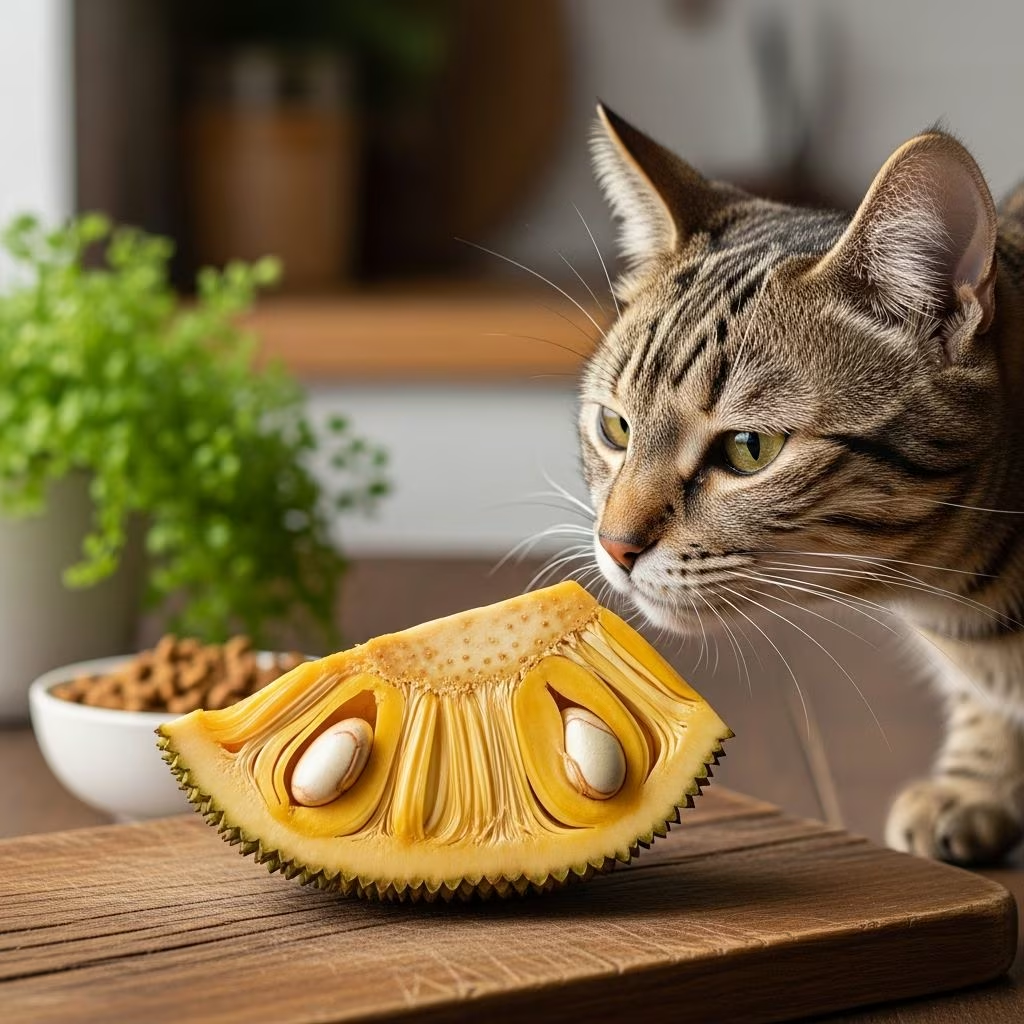
Can Cats Eat Jackfruit? Vet Reviewed Risks & Alternatives
The tropical fruit known as jackfruit has quite a sweet taste to it, which is why your little buddy might be bugging you for some. We do hope they haven’t already ingested any, however, as jackfruit is not a good food to feed cats, as it is a member of the fig family and poses the threat of poisoning. If your cat has actually ingested jackfruit, we’d definitely suggest calling your vet—even before reading on. If you’re thinking about giving your little buddy a sweet treat, we go into exactly why jackfruit isn’t a good cat treat, what your cat does need, and offer some alternatives.
What Makes Jackfruit Poisonous for Cats?
Jackfruit is not listed as toxic on several reputable animal poison databases such as ASPCA, petpoisonhelpline.com, and the University of California plant poisons list. However, being a member of the fig family, it may cause a similar illness as fig poisoning in cats. This is because of proteolytic enzymes as well as psoralen, which are contained in this family of plants. These are bad for your cat as these enzymes attempt to destroy the cat’s DNA—nasty stuff!
While jackfruit itself isn’t officially classified as toxic, the compounds it shares with fig plants can trigger adverse reactions in felines. The concern stems from the plant family connection rather than jackfruit being independently dangerous. This distinction is important for pet owners to understand, as it explains why veterinarians often recommend caution even though poison control databases don’t list it as a primary toxin.
There is no nutritional value for your cat to gain from eating jackfruit—or really any fruit for that matter, though they can safely enjoy some as a treat. So, what do cats need to eat to sustain a healthy lifestyle?
What Kind of Diet Do Cats Need?
Cats eat meat. That’s what they were designed to do, and their bodies are still evolved to digest animal proteins, fats, and just a little bit of carbs—they seem to select about 12% of the latter. Approximately half of a cat’s calories come from proteins, with fats making up the remainder. This biological reality means that cats require a fundamentally different diet than humans or even dogs.
Cats were also designed to get much of their hydration from the water that is in meat, just to underscore their dependence as carnivores. They eat meat, and really, that’s all they were designed to eat.
Cats aren’t meant to eat fruits and vegetables, as a rule, although that hasn’t stopped many of our little feline pals from getting to things that they shouldn’t—lots of cats love a sweet treat. However, their biological inability to taste sweetness makes fruit consumption particularly pointless from a feline perspective. Unlike humans, cats lack functional sweet taste receptors, meaning they derive no pleasure from the sweetness in fruits like jackfruit.
While some fruits are safe to give in moderation, it’s good to be prepared in case curious noses lead them to trouble. Understanding your cat’s actual nutritional needs helps pet owners make informed decisions about treats and food offerings.
Nutritional Comparison: What Cats Need vs. What Jackfruit Offers
| Nutrient | Cat Requirements | Jackfruit Content | Suitable for Cats? |
|---|---|---|---|
| Protein | High (50%+ of calories) | Minimal | No |
| Fat | Required for health | Very low | No |
| Sugar | Minimal needed | Very high | No |
| Carbohydrates | Low (~12%) | High | No |
Why Jackfruit Is Dangerous for Cats
Beyond the issue of nutritional mismatch, jackfruit presents several specific dangers to feline health:
High Sugar Content
Jackfruit contains a high amount of sugar. Your cat, unfortunately, cannot taste the sweetness of fruit due to them not having sweet receptors on their tongue. Cats also have issues with metabolizing sugar. Too much sugar can lead to worse issues for your kitties such as obesity and diabetes. This is why you should avoid giving your kitties highly sweetened foods, especially since they can’t taste the sweetness anyway. The irony of offering a sweet treat to a pet incapable of appreciating sweetness highlights why fruits simply don’t make sense in a cat’s diet.
Choking Hazards
Jackfruit, like several other fruits, includes seeds. Considering the size of your cat, it is very possible for them to accidentally choke on one of these seeds if they happen to swallow it. For the safety of your kitty, it is best to avoid giving them any kind of food with seeds or nuts involved to help lower the possibility of choking while eating.
Potential Toxicity from Fig Family Connection
The primary concern with jackfruit relates to its botanical family relationship. Fig plants are known to cause poisoning in cats due to proteolytic enzymes and psoralen compounds. While jackfruit isn’t officially listed as toxic, the shared compounds with figs create a risk that responsible pet owners should take seriously. Fig poisoning in cats can be mild in some cases and include diarrhea and vomiting. In others, especially if your cat has ingested a high amount of fig, for example, they may experience more distressing symptoms.
What to Expect If Your Cat Eats Jackfruit
With jackfruit being potentially dangerous for cats, it is important to know what to look for if they accidentally eat it. Like with most foods not good for your kitty, one of the first things you may notice is vomiting and diarrhea. While this may run its course in some cases, your cat can become dehydrated. This is why it is recommended to immediately contact your veterinarian if your cat has eaten jackfruit or any of its relatives in the fig family.
Symptoms of jackfruit ingestion may include:
- Vomiting and diarrhea
- Abdominal discomfort or pain
- Loss of appetite
- Lethargy or unusual tiredness
- Dehydration (indicated by dry gums or excessive thirst)
- In severe cases, difficulty breathing or heart irregularities
Immediate Steps to Take If Your Cat Ingests Jackfruit
Like with fig poisoning, jackfruit ingestion calls for a trip to the veterinarian. They will closely monitor your kitty to make sure no breathing or heart issues take place. During this time, if your cat isn’t vomiting, they may induce it to help them get the jackfruit out of their system. It is also possible for your vet to use activated charcoal to adsorb the toxic substances now inside your cat’s body.
At Home: Isolation and Monitoring
All we really mean by this is to get the source of poison—in this case, the jackfruit, away from them. Make sure that you are mindful of any pieces that might be in their fur. It’s a good idea to get them onto some sort of tile or hard flooring, which is easier to clean in case they vomit. Monitor your cat closely for any signs of distress or unusual behavior.
Veterinary Treatment Options
Your veterinarian has several treatment options available, depending on how much jackfruit your cat consumed and how quickly you seek help. Activated charcoal may be administered to help absorb any remaining toxins. It’s used to lessen the effects of poisoning, though it cannot be stressed enough that you must never attempt to administer any of these treatments at home. These treatments are for the vet to advise you of and for them to administer alone.
Life After Eating Jackfruit
Luckily, most cats are likely to make a full recovery after eating jackfruit. If they experience diarrhea and vomiting, your veterinarian may suggest special foods until these symptoms pass. Your kitty may be a little tired and lay around for a few days while their bodies get back to normal and they start to feel better. The good news is that in many cases, fig poisoning caused by jackfruit is mild, and cats experience mostly an upset stomach, vomiting, and irritation—but make a full recovery.
Recovery time depends on the amount ingested and your cat’s overall health. Most cats bounce back within a few days to a week, though your vet will provide specific guidance based on your individual pet’s condition.
Safer Treat Alternatives for Your Cat
If you’re looking for occasional treats to give your feline friend, there are much safer options that align with their carnivorous nature:
- Cooked chicken or turkey – Plain, boneless, and skinless pieces provide lean protein
- Cooked fish – Salmon or tuna offer omega-3 fatty acids (in moderation)
- Commercial cat treats – Designed specifically for feline nutritional needs
- Eggs – Cooked eggs provide protein and essential nutrients
- Plain cooked beef – Another excellent protein source for treats
These alternatives satisfy your cat’s nutritional requirements while actually providing health benefits, unlike jackfruit or other fruits that offer no nutritional value for felines.
Frequently Asked Questions (FAQs)
Q: Is jackfruit toxic to cats according to poison control databases?
A: No, jackfruit is not listed as toxic on ASPCA, petpoisonhelpline.com, or the University of California plant poisons list. However, its relationship to the fig family means it may cause similar adverse effects as fig poisoning in cats.
Q: What happens if my cat eats a small amount of jackfruit?
A: A very small amount may cause mild digestive upset, but it’s still best to monitor your cat closely for 24-48 hours. If you notice any vomiting, diarrhea, or behavioral changes, contact your veterinarian immediately.
Q: Can cats taste the sweetness in jackfruit?
A: No, cats lack functional sweet taste receptors on their tongues, so they cannot taste sweetness. This means there’s no flavor-based appeal of jackfruit for your cat, making it even less suitable as a treat.
Q: What should I do if my cat ate a large amount of jackfruit?
A: Contact your veterinarian immediately or visit an emergency vet clinic. Do not attempt home treatment. Your vet may induce vomiting or use activated charcoal to prevent toxin absorption.
Q: Are all parts of the jackfruit dangerous for cats?
A: Yes, all parts of the jackfruit—flesh, seeds, and rind—should be avoided. The seeds pose particular choking hazards due to their size relative to your cat’s throat.
Q: How long does it take for jackfruit poisoning symptoms to appear?
A: Symptoms may appear within a few hours of ingestion. It’s important to monitor your cat for at least 24-48 hours after any jackfruit consumption and seek veterinary care if any symptoms develop.
Q: What are the best treats to give my cat instead of jackfruit?
A: Protein-based treats like cooked chicken, turkey, fish, or commercial cat treats designed for feline nutrition are much better choices that align with your cat’s dietary needs.
Conclusion
It’s pretty simple—don’t give your cat jackfruit. It’s not good for them! Jackfruit offers no nutritional benefits for cats, contains high levels of sugar they cannot taste or properly metabolize, includes potential choking hazards, and may cause adverse reactions due to its botanical relationship with toxic fig plants. If they’ve gotten into it, you know what to do—call the vet, and we wish you the best of luck!
As a responsible pet owner, focus on providing your cat with a diet rich in animal proteins and fats, which is what their bodies are designed to process. Occasional treats should mirror this nutritional philosophy rather than introduce fruits that offer nothing but potential health risks. We always appreciate pet parents who take the time to do the right thing and research how they can take care of their little friends better, so thanks for being great and caring for your feline companion’s wellbeing!
References
- Can Cats Eat Jackfruit? Vet Reviewed Risks & Alternatives — Catster. 2025. https://www.catster.com/nutrition/can-cats-eat-jackfruit/
- Can Cats Eat Jackfruit? Nutritional Facts & Safety Guide — Hepper. 2025. https://articles.hepper.com/can-cats-eat-jackfruit/
- ASPCA Animal Poison Control Center — American Society for the Prevention of Cruelty to Animals. 2025. https://www.aspca.org/pet-care/animal-poison-control
- Pet Poison Helpline: Jackfruit Toxicity — Pet Poison Helpline. 2025. https://www.petpoisonhelpline.com/



