

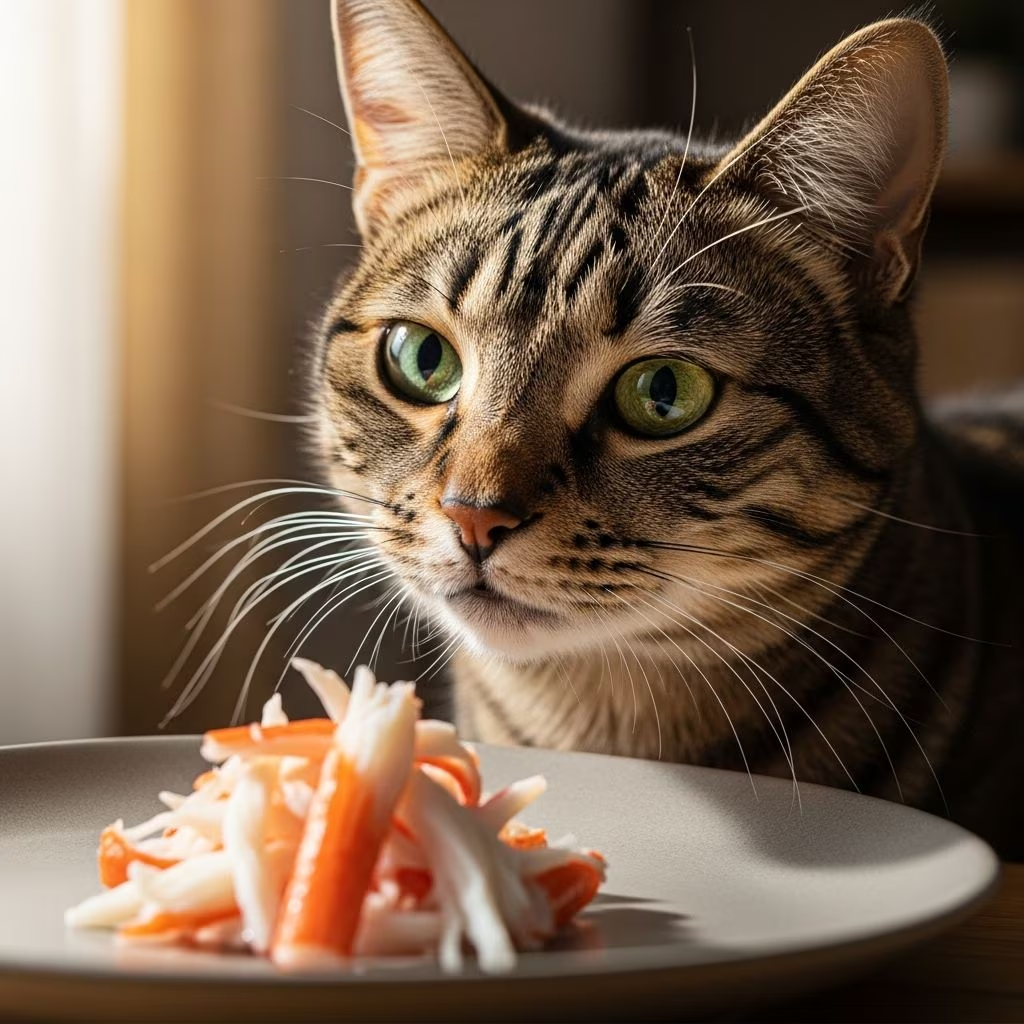
Imitation crab is **not toxic to cats** but lacks nutritional value and contains additives that make it unsuitable as a regular treat. Offer only tiny occasional bites to avoid health risks like digestive upset or sodium overload.
What Is Imitation Crab?
Imitation crab, also known as surimi or crab sticks, is a processed seafood product designed to mimic real crab meat. It starts with surimi—a paste made from ground white fish like pollock—mixed with starch, sugar, egg whites, vegetable oil, and flavorings to achieve a crab-like texture and taste. This affordable alternative is popular in salads, sushi rolls, and California rolls but undergoes heavy processing that strips away natural nutrients.
Cats, as obligate carnivores, thrive on high-protein, low-carb diets from animal sources. While imitation crab might appeal to their fish-loving instincts, its fillers and preservatives do not align with feline nutritional needs.
The Short Answer: Can Cats Eat Imitation Crab?
The answer is nuanced: Cats can eat small amounts of imitation crab occasionally without immediate harm, but it should never be a staple. Unlike real crab, which provides protein and omega-3s, imitation crab offers minimal benefits and potential drawbacks from high sodium, phosphorus, and carbs.
- Safe in moderation: A tiny piece (pea-sized) as a rare treat won’t likely cause issues for most cats.
- Not recommended regularly: Lacks essential nutrients and may lead to imbalances or health problems over time.
- Monitor closely: Watch for allergies, vomiting, diarrhea, or lethargy after offering any new food.
Imitation Crab vs. Real Crab: Nutritional Comparison
Real crab meat excels nutritionally for cats, boasting high protein, healthy fats, and omega-3 fatty acids that support skin, coat, and joint health. Imitation crab, however, is diluted with non-feline-friendly ingredients.
| Nutrient (per 100g) | Real Crab Meat | Imitation Crab |
|---|---|---|
| Protein | ~18-20g (high-quality animal protein) | ~10-15g (diluted by fillers) |
| Carbs | 0g | ~15-20g (from starch/sugar) |
| Fat | ~1-2g (beneficial omega-3s) | ~1g (often vegetable oil) |
| Sodium | High (~500mg) | Very high (~800-1000mg+) |
| Phosphorus | Moderate | High (risk for kidneys) |
Note: Values approximate based on common products; always check labels. Real crab supports feline health better, but both are salty—plain, cooked real crab in tiny amounts is preferable if sharing seafood.
Imitation Crab Risks for Cats
While not poisonous, several components in imitation crab pose risks, especially with repeated exposure. Cats’ sensitive systems can’t process human junk food well.
Salt (Sodium Overload)
Imitation crab is laden with salt for flavor, far exceeding a cat’s daily needs (provided by quality kibble/wet food). Excess sodium risks dehydration, thirst, high blood pressure, and kidney strain. Cats have delicate kidneys; chronic high-salt intake can lead to urinary issues.
High Phosphorus Levels
Imitation crab’s phosphorus content is elevated, and studies link high dietary phosphorus to kidney problems in cats, particularly those with pre-existing conditions. Limit to occasional nibbles.
Additives and Preservatives
Common additives include MSG, artificial colors, flavors, preservatives (e.g., sorbates), and stabilizers. These offer no nutritional value and may cause gastrointestinal upset, allergies, or long-term inflammation. Avoid products with artificial ingredients.
High Carbohydrates and Fillers
Cats digest carbs poorly; imitation crab’s starch and sugars can cause weight gain, diabetes risk, and digestive woes like diarrhea. It displaces nutrient-dense food.
Allergic Reactions and Digestive Issues
Some cats react to fish proteins or additives with itching, vomiting, diarrhea, or swelling. Processed textures may also upset stomachs. Obese-prone cats risk further weight gain from calorie-dense treats.
- Symptoms to watch: Vomiting, loose stools, excessive scratching, lethargy.
- Action: Withhold food, offer water, contact vet if persists >24 hours.
Benefits of Imitation Crab for Cats (If Any)
Truthfully, benefits are minimal. It provides some protein from fish base and a novel texture that picky eaters might enjoy briefly. However, these pale against risks—no omega-3s or vitamins like in real seafood. Use commercial cat treats formulated for nutrition instead.
How to Safely Offer Imitation Crab to Cats
If you must share (e.g., cat begs during sushi night):
- Choose wisely: Pick plain varieties with minimal additives; read labels for no onion/garlic (toxic).
- Portion tiny: <1% of daily calories (e.g., 1-2g for 10lb cat, once/week max).
- Prep safely: Rinse off excess salt, chop small to prevent choking, serve plain/room temp.
- First time? Supervise: Introduce gradually; stop if adverse reaction.
- Vet check: Consult for cats with kidney/heart issues, seniors, or allergies.
Better yet: Skip it. Real, plain-cooked fish or vet-approved treats are superior.
Healthier Alternatives to Imitation Crab for Cats
Stick to cat-safe seafood and proteins:
- Real crab/shrimp: Plain, cooked, deboned—tiny amounts for protein boost.
- Fish like salmon/tuna: Cooked, unseasoned; rich in omega-3s (limit canned tuna due to mercury).
- Commercial treats: Freeze-dried meat/fish formulated for cats.
- Chicken/turkey: Boiled, skinless—lean protein staple.
- Veggies: Cooked pumpkin/broccoli for fiber (sparingly).
Avoid: Raw seafood (parasites), fried/seasoned items, shellfish shells.
What If Your Cat Eats Imitation Crab?
Small amount? Monitor 24-48 hours for issues. Provide fresh water to counter sodium. Large quantity? Symptoms like vomiting/diarrhea warrant vet visit—may need fluids/anti-nausea meds. Prevent by securing human food.
Expert Advice: When to See a Vet
Consult a veterinarian before dietary changes, especially for:
- Kidney disease, hypertension, or obesity.
- Kittens, pregnant/nursing queens, seniors.
- History of allergies or sensitivities.
Balanced commercial diets meet all needs; treats <10% calories.
Frequently Asked Questions (FAQs)
Can imitation crab hurt my cat?
Not acutely toxic, but high sodium/additives may cause upset stomach, dehydration, or long-term issues if frequent.
What should I do if my cat eats too much imitation crab?
Ensure water access, monitor for vomiting/diarrhea. Vet if symptoms >24h or severe.
Is real crab safe for cats?
Yes, plain cooked in small amounts—no shells/seasonings.
Can cats eat crab sticks regularly?
No—risks outweigh benefits; occasional only.
What seafood should cats avoid?
Raw fish/shellfish (parasites/bacteria), fried/seasoned, high-mercury types.
Is seafood good for cats overall?
In moderation, yes—for protein/omegas; prioritize balanced cat food.
References
- Imitation Crab Safe for Cats? — Dial A Vet. 2024. https://www.dialavet.com/vet-answers/post/imitation-crab-safe-for-cats-48862
- Can Cats Eat Imitation Crab? Vet-Verified Facts — Huston Veterinary. 2024. https://hustonveterinary.com/can-cats-eat-imitation-crab/
- Can Cats Eat Imitation Crab? Vet-Approved Facts & FAQ — Catster. 2024. https://www.catster.com/nutrition/can-cats-eat-imitation-crab/
- Can Cats Eat Crab? Vet-Reviewed Guide — Hepper. 2024. https://articles.hepper.com/can-cats-eat-crab/
- Can Cats Eat Fish, Seafood and Shellfish? — Bella+Duke. 2024. https://www.bellaandduke.com/cats/expert-advice/cat-nutrition/can-cats-eat-raw-fish/



