

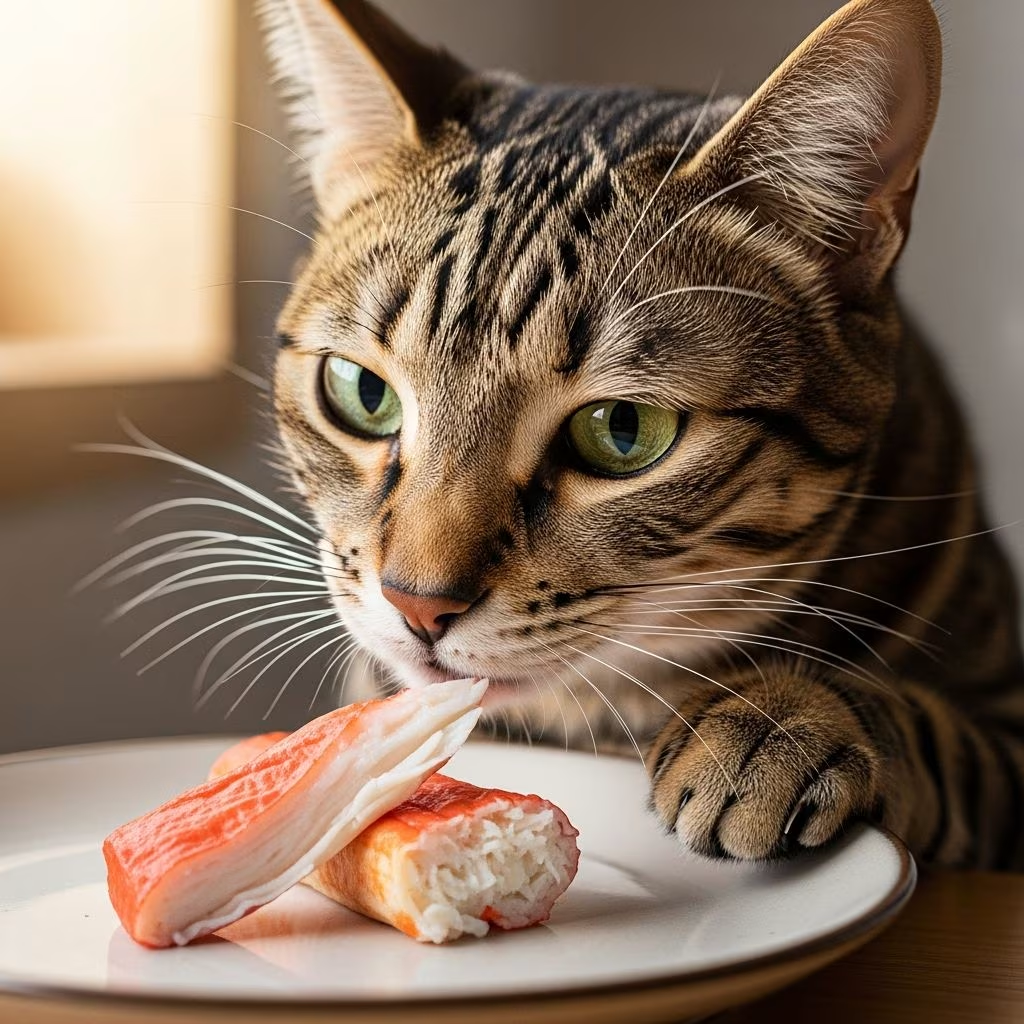
Imitation crab, also known as surimi or crab sticks, is a popular seafood substitute in human diets, but is it safe for cats? The short answer is that **imitation crab is not toxic to cats in small amounts**, but it’s not recommended as a regular treat due to its high sodium, phosphorus, and additives that offer little nutritional value.
Cats are obligate carnivores requiring high-protein, low-carb diets tailored to their needs. While a tiny bite of imitation crab won’t likely harm your cat, frequent feeding can lead to health issues like digestive upset, dehydration, or kidney strain. This comprehensive guide covers what imitation crab is, its nutritional profile compared to real crab, potential risks, safe feeding guidelines, and better alternatives.
What Is Imitation Crab?
Imitation crab is not made from actual crab but from **surimi**, a processed paste primarily created from white fish like pollock, mixed with starch, egg whites, sugar, salt, and various additives to mimic crab’s texture and flavor. It’s shaped into sticks or chunks and often found in salads, sushi, or California rolls.
The manufacturing process involves grinding fish, adding binders like starch for elasticity, flavor enhancers, and preservatives to extend shelf life. This results in a product that’s affordable and versatile for humans but nutritionally inferior for cats, who need whole prey-based proteins without fillers.
- Main ingredient: Surimi (fish paste from cheaper white fish)
- Common additives: Wheat/corn starch, sugar, vegetable oil, MSG, artificial colors, preservatives
- Texture enhancers: Egg whites, natural crab extract for flavor
Unlike real crab, which provides high-quality protein and omega-3s, imitation crab is heavily processed, diluting its benefits and introducing carbs unsuitable for feline digestion.
Imitation Crab Nutrition Facts: A Comparison
To understand why imitation crab falls short for cats, compare its nutrition to real crab meat. Cats thrive on animal proteins rich in taurine, arachidonic acid, and essential fatty acids—nutrients scarce in processed surimi.
| Nutrient (per 100g) | Imitation Crab | Real Crab Meat | Cat Food Needs |
|---|---|---|---|
| Protein | ~7-10g (lower quality) | ~18-20g (high quality) | High (30-40%+ dry matter) |
| Fat | ~0.5-1g | ~1-2g (with omega-3s) | Moderate (15-20%) |
| Carbs | ~15-20g (from starch/sugar) | 0g | Minimal (<10%) |
| Sodium | ~500-800mg (high) | ~300-500mg | Controlled (0.3-0.5%) |
| Phosphorus | High (~150-200mg) | Moderate | Balanced (0.5-1.2%) |
Data synthesized from nutritional analyses; imitation crab lacks key feline nutrients like taurine.
Real crab offers superior protein and fats beneficial for skin, coat, and joint health, while imitation crab’s carbs can contribute to obesity and diabetes risks in cats.
Can Cats Eat Imitation Crab? The Risks
While not poisonous, **imitation crab poses several risks** for cats due to its composition. Veterinary sources agree: limit to occasional tiny bites or avoid altogether.
Salt (Sodium) Overload
Imitation crab is loaded with salt to replicate seafood flavor, often exceeding 500mg per 100g. Cats’ kidneys are sensitive; excess sodium can cause **dehydration, thirst, and long-term hypertension or heart strain**. Commercial cat food already meets sodium needs—extra treats disrupt this balance.
High Phosphorus Content
Imitation crab is **high in phosphorus**, which studies link to kidney issues in cats, especially those with pre-existing conditions. A study highlighted potential renal damage from elevated phosphorus diets, advising moderation.
Dangerous Additives
Common additives include **MSG, preservatives (e.g., sorbates), artificial colors, and sugars**—irritants that may cause gastrointestinal upset, allergies, or hyperactivity. These are unnecessary for cats and can lead to vomiting, diarrhea, or lethargy.
Other Concerns
- Digestive upset: Carbs and binders hard to digest, causing diarrhea or gas.
- Weight gain: Calorie-dense with empty nutrition.
- Allergies: Fish sensitivities possible, showing as itching or swelling.
- Unbalanced diet: If cats prefer it over kibble, nutrient deficiencies arise.
Monitor for symptoms post-ingestion: vomiting, diarrhea, excessive drinking, or lethargy—contact a vet if seen.
Benefits of Imitation Crab for Cats (If Any)
Truthfully, benefits are minimal. **Occasional small pieces provide texture variety**, potentially stimulating picky eaters, and offer minor protein from fish base. However, these pale against risks and superior alternatives. No vet recommends it routinely due to nutritional gaps.
How Much Imitation Crab Can Cats Eat?
Limit to 1-2 tiny bites (pea-sized) occasionally**—no more than 10% of daily calories from treats. Plain, unseasoned only; avoid fried, sauced, or mixed varieties. Best: skip it.
- Kittens/pregnant cats: Avoid entirely.
- Senior cats/kidney issues: Strictly no.
- Healthy adults: Rare treat max.
Always consult your vet, especially for health-compromised cats.
Healthier Alternatives to Imitation Crab
Opt for **vet-approved, cat-specific treats** mimicking seafood benefits without risks.
| Treat Type | Benefits | Why Better Than Imitation Crab |
|---|---|---|
| Cooked plain salmon/tuna | Omega-3s, protein | No additives, low carb, natural |
| Freeze-dried meat treats | High protein, taurine | Species-appropriate, nutrient-dense |
| Commercial fish treats | Balanced nutrition | Formulated for cats, low phosphorus |
| Cooked chicken/turkey | Lean protein | Versatile, affordable, safe |
Avoid raw fish (parasites/thiaminase) and seasoned human food.
Can Cats Eat Real Crab?
Yes, **small amounts of plain, cooked real crab** are safer—richer in protein/omegas, fewer additives. Remove shell/cartilage; limit due to sodium/phosphorus. Still, not a staple.
Frequently Asked Questions (FAQs)
What happens if my cat eats imitation crab?
Small amounts likely cause no issue, but watch for vomiting, diarrhea, or lethargy. Contact vet if symptoms persist.
Is imitation crab toxic to cats?
No, but high salt/additives make it unhealthy.
Can kittens eat imitation crab?
No—growing bodies are more sensitive; stick to kitten food.
Is surimi safe for cats with kidney disease?
Absolutely not—high phosphorus exacerbates issues.
What seafood can cats eat safely?
Plain cooked fish like salmon in moderation; avoid raw/shellfish.
How do I stop my cat begging for human food?
Use interactive feeders, training, and cat-specific treats.
References
- Can cats eat imitation crab or is it harmful for them? — Dial A Vet. 2023. https://www.dialavet.com/vet-answers/imitation-crab-safe-for-cats-19546
- Can Cats Eat Imitation Crab? Vet-Verified Facts — Huston Veterinary Clinic. 2024. https://hustonveterinary.com/can-cats-eat-imitation-crab/
- Can Cats Eat Imitation Crab? Vet-Approved Facts & FAQ — Catster. 2024. https://www.catster.com/nutrition/can-cats-eat-imitation-crab/
- Can Cats Eat Crab? Vet-Reviewed Nutritional Health & Safety Guide — Hepper. 2024. https://articles.hepper.com/can-cats-eat-crab/
- Can cats eat fish, seafood and shellfish? — Bella+Duke. 2023. https://www.bellaandduke.com/cats/expert-advice/cat-nutrition/can-cats-eat-raw-fish/



