

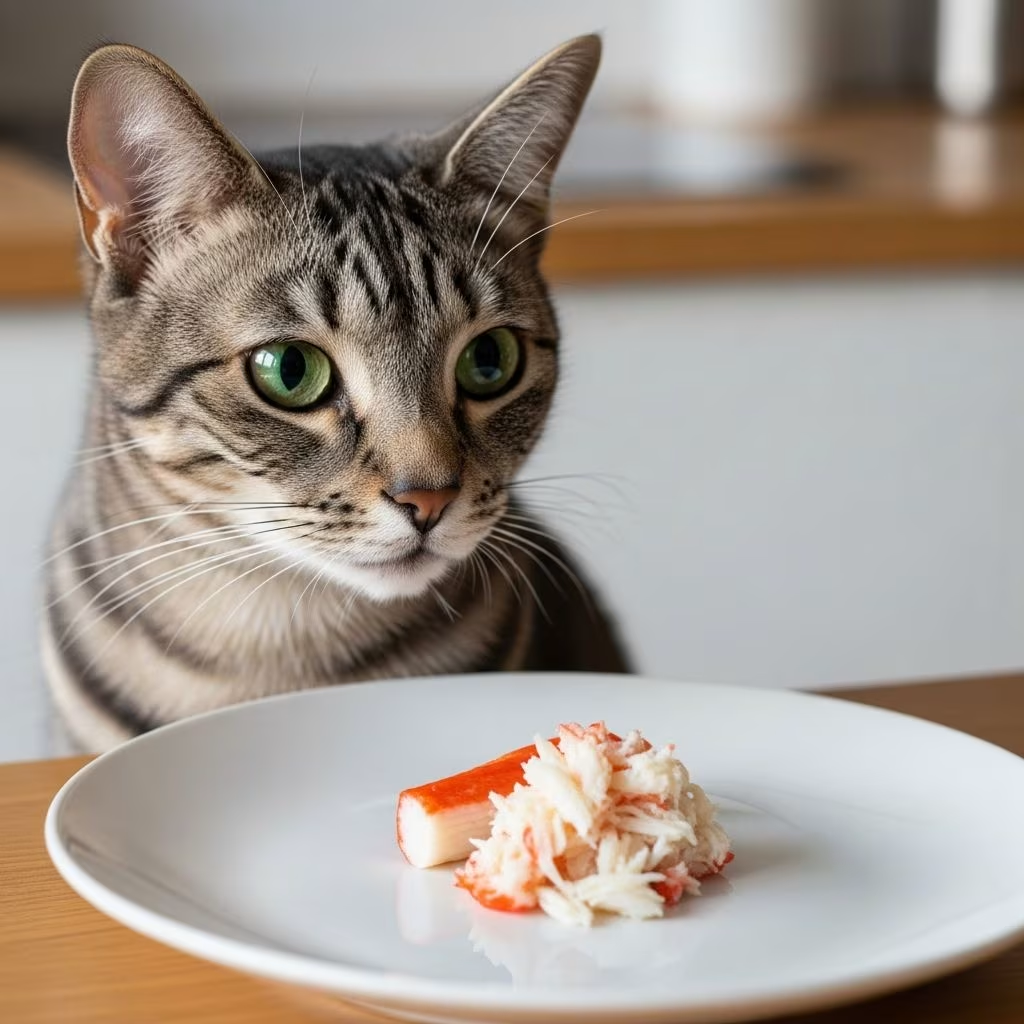
Imitation crab, also known as surimi or crab sticks, is a popular seafood substitute made primarily from fish paste rather than actual crab meat. While it’s not toxic to cats, it’s not recommended as a regular treat due to its high sodium, carbohydrate content, phosphorus levels, and additives. Cats can have small amounts occasionally, but real crab or cat-specific foods are far better options.
What Is Imitation Crab Meat?
Imitation crab is a processed seafood product designed to mimic the taste and texture of real crab. It’s primarily made from **surimi**, a paste created from inexpensive white fish like pollock, whiting, or cod. The fish is ground into a paste, mixed with starch, egg whites, sugar, salt, and flavorings to achieve a crab-like appearance and flavor. Natural or artificial crab extract provides the seafood taste, while red food coloring creates the characteristic pinkish hue on the edges.
Unlike real crab, which is pure muscle meat from crustaceans, imitation crab contains binders like wheat or potato starch to hold it together, vegetable oils for texture, and preservatives like sorbitol to retain moisture. This processing makes it shelf-stable and affordable but nutritionally inferior for feline diets.
Can Cats Eat Imitation Crab Meat?
The short answer is yes, cats can eat small amounts of plain imitation crab occasionally as a treat, but it’s not ideal or nutritious. The ingredients aren’t toxic, but they offer little benefit and pose risks with frequent feeding. Veterinary experts recommend limiting it to a few tiny bites now and then, ensuring it’s unseasoned and plain.
- Safe in moderation: A small piece (pea-sized for an average cat) once in a while won’t harm most healthy cats, especially if their diet is balanced.
- Not for daily feeding: It lacks essential nutrients cats need and can disrupt dietary balance if overfed.
- Vet consultation advised: Cats with kidney issues, diabetes, or allergies should avoid it entirely. Always check with your veterinarian first.
Cats are obligate carnivores requiring high-protein, low-carb diets. Imitation crab provides texture variety that might entice picky eaters, but it shouldn’t replace proper cat food.
Imitation Crab vs. Real Crab: Nutrition Comparison
Real crab meat is a nutrient-dense seafood option for cats in moderation, offering high-quality protein, omega-3 fatty acids for skin and coat health, and essential minerals. Imitation crab, however, is diluted with fillers, resulting in lower protein, higher carbs, and added sugars/salt.
| Nutrient (per 100g) | Real Crab Meat | Imitation Crab |
|---|---|---|
| Protein | ~18-20g | ~10-15g |
| Carbohydrates | 0g | ~15-20g (from starch) |
| Fat | ~1-2g (healthy omega-3s) | ~1g (vegetable oils) |
| Sodium | ~350mg | ~500-800mg |
| Phosphorus | Moderate | High |
| Vitamins/Minerals | Rich in B12, selenium, zinc | Lower levels + additives |
Note: Values approximate based on USDA data and product labels; actual amounts vary by brand. Imitation crab’s starch fillers reduce its protein density, while real crab provides superior nutrition without unnecessary carbs.
Imitation Crab Risks for Cats
While occasional nibbles are unlikely to cause issues, regular consumption introduces several health concerns due to its composition.
Salt (High Sodium Content)
Imitation crab is loaded with salt to replicate crab’s briny flavor, often exceeding 500mg per 100g. Cats’ kidneys are sensitive to excess sodium, which can lead to dehydration, increased thirst/urination, and long-term strain on renal function. Commercial cat food already meets sodium needs; extra salty treats are unnecessary and risky.
Carbohydrates (Starch Fillers)
Made firm with wheat, potato, or tapioca starch, imitation crab is high in carbs—up to 20% by weight. Cats digest carbs poorly, and excess can cause weight gain, digestive upset (vomiting, diarrhea), and elevated blood sugar, raising diabetes risk as the pancreas overworks.
Phosphorus Levels
Imitation crab is notably high in phosphorus, which in excess may contribute to kidney problems in cats, per veterinary studies. Cats with chronic kidney disease (common in seniors) are especially vulnerable; even healthy cats should limit high-phosphorus treats.
Additives and Preservatives
Common additives include MSG for flavor enhancement, sorbitol (sugar alcohol), artificial colors, and preservatives like sodium benzoate. These offer no nutritional value and may cause allergic reactions, gastrointestinal issues, or hyperactivity in sensitive cats. Avoid products with onion, garlic, or spice flavorings, which are toxic.
Other Dangers
- Allergies: Seafood allergies can cause itching, swelling, vomiting, or anaphylaxis-like symptoms.
- Weight Gain: Calorie-dense with little satiety, leading to obesity and related conditions like diabetes or joint issues.
- Unbalanced Diet: If cats prefer its texture, they may reject balanced kibble/wet food.
Benefits of Imitation Crab for Cats
Imitation crab offers minimal benefits compared to risks, but it’s not entirely without merit in tiny doses:
- Texture Variety: The chewy, stringy texture can stimulate picky or bored eaters, encouraging meal interest.
- Some Protein: Derived from fish, it provides moderate protein, though far less bioavailable than meat.
- Hydration Boost: Moist texture adds minor moisture intake, beneficial for urinary health.
These perks are outweighed by healthier alternatives like plain cooked fish or commercial treats formulated for cats.
How to Safely Feed Imitation Crab to Cats
If you choose to share, follow these guidelines to minimize risks:
- Choose Plain Varieties: Opt for additive-free, low-sodium brands without sugars, MSG, or colors. Read labels carefully.
- Portion Control: Limit to 1-2 pea-sized pieces per week for a 10-lb cat. Less for kittens/seniors.
- Prepare Properly: Rinse to reduce salt; cut into tiny, boneless pieces. Never feed raw, fried, or sauced (e.g., in California rolls).
- Monitor Reactions: Watch for vomiting, diarrhea, lethargy, or excessive thirst. Stop immediately if issues arise and contact a vet.
- Balance Diet: Treats should not exceed 10% of calories. Prioritize AAFCO-approved cat food.
Healthier Alternatives to Imitation Crab
Skip imitation crab and offer these cat-safe seafood options:
- Real Crab Meat: Plain, cooked, shelled—high protein, omega-3s. Occasional small amounts.
- Cooked Fish: Salmon, tuna, whitefish (no bones/skin/seasonings). Freeze-thawed for safety.
- Commercial Treats: Freeze-dried fish or meat treats designed for cats.
- Chicken/Turkey: Boiled, unseasoned poultry for protein without carbs.
Avoid raw seafood (parasite risk), shellfish like shrimp/oysters (allergens/choking), and anything fried or seasoned.
Frequently Asked Questions (FAQs)
Can cats eat real crab meat?
Yes, small amounts of plain, cooked real crab meat are safe and nutritious occasionally. Remove shells and cartilage; avoid seasoned preparations.
Is imitation crab toxic to cats?
No, it’s not toxic, but high salt, carbs, phosphorus, and additives make it unhealthy for regular feeding. Moderation is essential.
What seafood can cats not eat?
Avoid raw fish/shellfish (bacteria/parasites), fried/seasoned items, and high-mercury fish like king mackerel. Crab sticks should be occasional only.
Will imitation crab make my cat sick?
Small amounts rarely cause issues, but excess can lead to salt poisoning, digestive upset, or kidney strain. Monitor closely.
How much imitation crab can I give my cat?
No more than a few tiny bites weekly. Consult your vet for personalized advice based on your cat’s health.
Final Thoughts
Imitation crab isn’t the worst treat you can give your cat, but it’s far from the best. With its laundry list of additives, high sodium, carbs, and phosphorus, it’s smarter to reserve it for very rare treats or skip it altogether in favor of nutrient-rich options like real seafood or vet-approved treats. Prioritize a balanced diet, and when in doubt, consult your veterinarian to keep your feline friend thriving.
References
- Can Cats Eat Imitation Crab? Vet-Verified Facts — Huston Veterinary Clinic. 2024. https://hustonveterinary.com/can-cats-eat-imitation-crab/
- Can Cats Eat Imitation Crab? Vet-Approved Facts & FAQ — Catster. 2024. https://www.catster.com/nutrition/can-cats-eat-imitation-crab/
- Can Cats Eat Crab? Vet-Reviewed Nutritional Health & Safety Guide — Hepper. 2024. https://articles.hepper.com/can-cats-eat-crab/
- Can Cats Eat Crab? Vet-Approved Nutritional Facts & FAQ — Catster. 2024. https://www.catster.com/nutrition/can-cats-eat-crab/
- Can Cats Eat Fish, Seafood and Shellfish? — Bella+Duke. 2024. https://www.bellaandduke.com/cats/expert-advice/cat-nutrition/can-cats-eat-raw-fish/



