

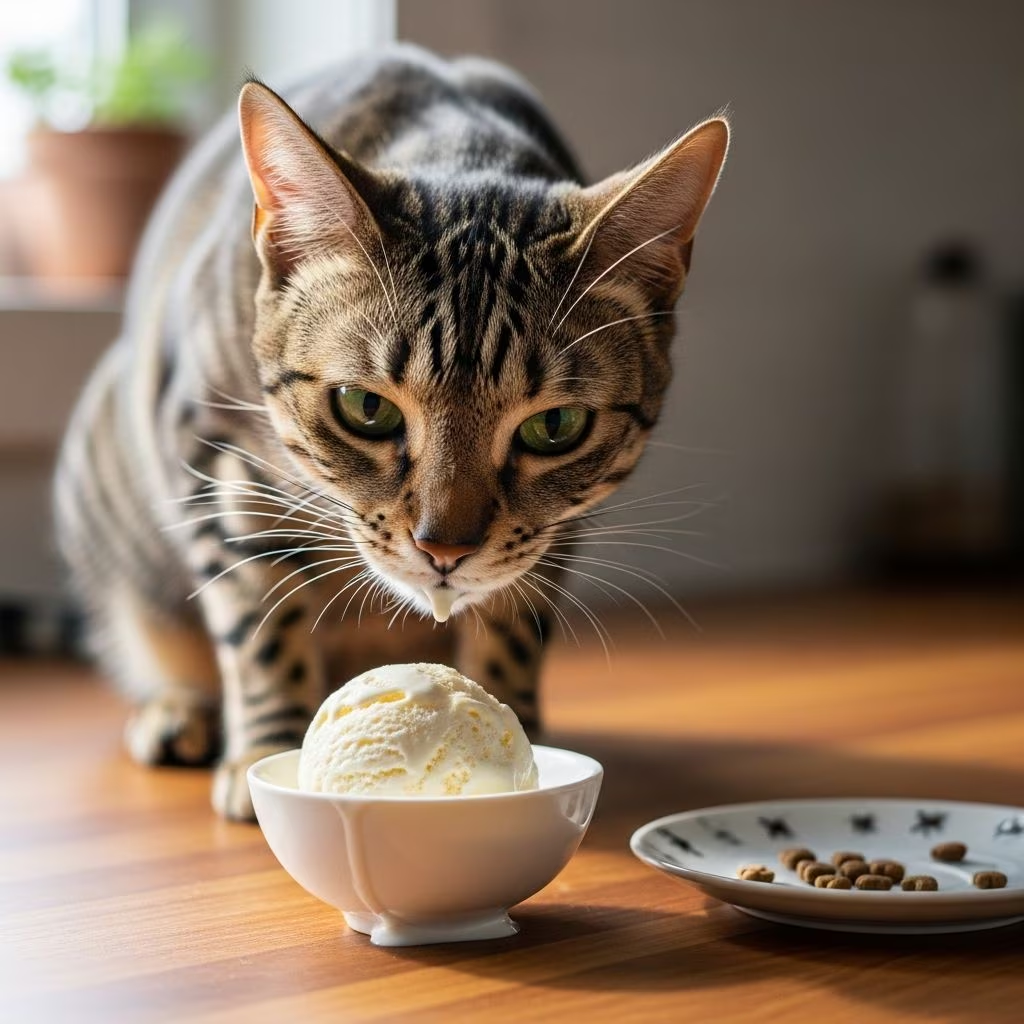
Can Cats Eat Ice Cream?
As much as we love treating our feline companions to the foods we enjoy, it’s crucial to understand that what tastes delicious to us may be harmful to our cats. One popular treat that often tempts cat owners is ice cream. The simple answer is: cats should not eat ice cream. While a tiny lick here and there might not cause immediate serious harm, ice cream is fundamentally unsuitable for cats and poses multiple health risks that make it a treat best avoided entirely.
Why Is Ice Cream Bad for Cats?
Ice cream might seem like an innocent and harmless treat, especially when your cat stares at you with those irresistible big eyes. However, understanding the composition of ice cream reveals why it’s problematic for feline health.
Lactose Intolerance and Dairy Content
One of the primary reasons ice cream is dangerous for cats is its dairy content. Most adult cats are lactose intolerant, meaning they lack sufficient levels of the enzyme lactase needed to properly break down and digest lactose found in milk and dairy products. This is a biological reality that many cat owners don’t realize when they offer their pets ice cream or milk.
When a lactose-intolerant cat consumes ice cream, the lactose often remains undigested in the gastrointestinal system. This undigested lactose can ferment in the intestines, creating uncomfortable digestive issues that affect your cat’s wellbeing and comfort.
High Sugar Content
Beyond dairy concerns, ice cream contains excessive sugar that serves no nutritional purpose for cats. Cats have no biological need for sugar in their diet, and their bodies are simply not designed to process it efficiently. When cats consume high-sugar treats like ice cream, several negative consequences follow:
- Unnecessary caloric intake leading to weight gain
- Increased risk of obesity and related health complications
- No nutritional value whatsoever
- Rapid accumulation of excess calories, even with occasional treats
It’s important to note that cats cannot taste sweetness the way humans do, so they’re not attracted to ice cream because of sugar. Rather, they’re drawn to the aroma and creamy texture, particularly the high fat content.
High Fat Content
Ice cream is extremely high in fat, which can trigger serious health complications in cats. The most significant concern is pancreatitis, an inflammation of the pancreas that causes painful digestive distress. For cats not accustomed to high-fat foods, ice cream can be particularly problematic. While cats do tolerate high fat better than dogs, the fat concentration in ice cream exceeds what most cats naturally encounter in their regular diets.
Specific Health Risks and Symptoms
Common Digestive Issues
Ice cream consumption can cause various digestive problems in cats:
- Diarrhea: Undigested lactose draws extra water into the intestines, resulting in loose or watery stools
- Gas and Bloating: Fermentation of undigested lactose in the gut creates excess gas and abdominal bloating
- Vomiting: Cats may vomit as a reaction to dairy, sugar, or other ingredients in ice cream
- Abdominal Discomfort: Mild cramping and stomach pain can reduce energy levels and cause cats to withdraw and appear uncomfortable
Serious Health Conditions
For cats with pre-existing health issues, ice cream poses particularly serious risks. Cats with sensitive stomachs, diabetes, obesity, or a history of pancreatitis should never consume ice cream, as even small amounts could trigger dangerous flare-ups or worsen existing conditions.
Long-Term Health Consequences
Regular ice cream consumption can contribute to serious chronic health problems:
- Obesity and weight gain
- Development or worsening of diabetes
- Dental problems from sugar exposure
- Heart disease and cardiovascular complications
- Increased susceptibility to various health conditions
Toxic Ingredients in Ice Cream
Beyond digestive concerns, many ice cream flavors contain ingredients that are outright toxic to cats. This represents perhaps the most serious danger of ice cream for feline companions.
Chocolate
Chocolate ice cream is particularly dangerous because chocolate contains theobromine, a compound toxic to cats. Even trace amounts can cause serious poisoning symptoms in felines.
Xylitol
Many sugar-free ice creams contain xylitol, an artificial sweetener that is highly poisonous to cats even in small quantities. This sweetener is used as a sugar substitute in diet and sugar-free products, making it a hidden danger for pet owners trying to choose “healthier” ice cream options.
Other Dangerous Ingredients
Several other ice cream flavors and additives pose significant toxicity risks:
- Coffee or Mocha Ice Cream: Contains caffeine, which is toxic to cats
- Nut-Flavored Ice Cream: Nuts can cause digestive upset and potential toxicity depending on the nut variety
- Alcohol-Based Flavors (Rum Raisin, etc.): Alcohol is toxic to felines
- Mint or Menthol Ice Cream: Can cause digestive irritation, and many mint varieties contain chocolate chips
- Propylene Glycol: An antifreeze ingredient used in some ice creams that is safe for humans but poisonous to cats in even low amounts
Symptoms of Ice Cream Toxicity
If your cat has consumed ice cream containing toxic ingredients, watch for the following severe symptoms that require immediate veterinary attention:
- Severe and repeated vomiting and diarrhea
- Tremors or shaking (often from caffeine or chocolate)
- Difficulty breathing
- Extreme weakness or collapse
- Disorientation, confusion, or restlessness
- Loss of appetite
- Fever
- Sudden behavioral changes
Ice Cream Type Comparison Table
| Ice Cream Type | Safety Level | Main Risks |
|---|---|---|
| Chocolate Ice Cream | Dangerous | Theobromine toxicity, high sugar, high fat |
| Vanilla Ice Cream | Not Recommended | Lactose, high sugar, high fat, potential pancreatitis |
| Coffee/Mocha Ice Cream | Dangerous | Caffeine toxicity, plus all vanilla risks |
| Non-Dairy Ice Cream | Not Recommended | High sugar, high fat, may contain xylitol |
| Sugar-Free Ice Cream | Dangerous | Xylitol toxicity, high fat content |
| Nut-Flavored Ice Cream | Dangerous | Potential nut toxins, high fat, digestive upset |
| Mint Ice Cream | Dangerous | Menthol irritation, often contains chocolate chips |
Safe Alternatives to Ice Cream for Cats
Instead of ice cream, there are numerous cat-safe frozen treats and alternatives that won’t jeopardize your feline friend’s health:
Frozen Treats Designed for Cats
- Commercial cat ice cream products specifically formulated without harmful ingredients
- Frozen chicken or turkey broth (unsalted)
- Frozen fish or tuna water (made from cooking fish in water)
Healthy Snack Alternatives
- Small pieces of cooked chicken without seasoning
- Cooked salmon or other fish (in moderation)
- Cat-safe fruits like small pieces of watermelon
- Freeze-dried meat treats
- Plain, unsweetened yogurt in tiny amounts (though still problematic for lactose-intolerant cats)
Cool Treats on Warm Days
During hot weather, provide your cat with cooling alternatives such as:
- A cool, damp washcloth to lie on
- Ice cubes (plain water only) to bat around
- Chilled water bowls placed in shaded areas
- A ceramic or tile surface to rest on
What to Do If Your Cat Eats Ice Cream
If your cat has consumed ice cream, the appropriate response depends on the amount and type consumed. For a single small lick of plain vanilla ice cream, monitor your cat for digestive upset over the following hours. However, if your cat has consumed a significant amount or ice cream containing toxic ingredients like chocolate, xylitol, or caffeine, contact your veterinarian immediately.
Provide your veterinarian with information about the exact type of ice cream, quantity consumed, and when it was consumed. This information will help them determine if emergency treatment is necessary.
Frequently Asked Questions
Q: Is it okay to give my cat just one lick of ice cream?
A: A single tiny lick of plain vanilla ice cream typically won’t cause serious harm, but it’s still not recommended. Even small amounts can cause digestive upset, and making ice cream an occasional treat establishes a pattern that may lead to larger consumption over time.
Q: Can cats eat non-dairy or dairy-free ice cream?
A: No, non-dairy ice cream is not a safe alternative. While it eliminates lactose concerns, non-dairy ice cream still contains excessive sugar, high fat content, and potentially toxic ingredients like xylitol.
Q: Why do cats seem interested in ice cream if it’s bad for them?
A: Cats are attracted to ice cream because of its creamy texture and the aroma of fat and dairy, not because of the sugar. Since cats cannot taste sweetness as effectively as humans, they’re responding to sensory qualities rather than actual sweet taste.
Q: Which ice cream flavors are most dangerous for cats?
A: Chocolate, coffee, sugar-free varieties containing xylitol, nut-based, alcohol-based, and mint ice creams are all particularly dangerous. Chocolate ice cream poses toxicity risks, while sugar-free varieties present the additional danger of xylitol poisoning.
Q: What are the first signs that ice cream has made my cat sick?
A: Common early signs include vomiting, diarrhea, abdominal discomfort, gas, and bloating. More severe symptoms indicating toxin ingestion include tremors, difficulty breathing, extreme weakness, and confusion.
Q: Is ice cream made for dogs safer for cats?
A: No, even ice cream specifically formulated for dogs is typically high in fat and calories and unsuitable for cats. Dogs and cats have different nutritional needs and digestive systems.
Q: How can I cool down my cat on hot days without ice cream?
A: Provide cool, damp washcloths, ceramic tiles to rest on, ice cubes to play with, chilled water bowls, or frozen broths formulated for cats. Ensure your cat has access to shaded, cool areas in your home.
References
- Can Cats Eat Ice Cream? Main Risks and Healthy Alternatives — Noble Vet Clinic. 2025. https://noblevetclinic.com/blog/can-cats-eat-ice-cream
- Can Cats Have Ice Cream? Dangers, Safe Flavors & Healthy Cat Treats — WoPet. 2025. https://wopet.com/cats/can-cats-eat-ice-cream/
- Can Cats Eat Ice Cream: Veterinarians Advice — Cold Case Ice Cream. 2025. https://www.coldcaseicecream.com/blogs/news/can-cats-eat-ice-cream-veterinarians-advice
- Can Cats Eat Ice Cream? Human Food for Cats — Kinship. 2025. https://www.kinship.com/cat-nutrition/can-cats-eat-ice-cream
- Can Cats Eat Ice Cream? — Cats.com. 2025. https://cats.com/can-cats-eat-ice-cream
- What Not to Feed Your Cat — Baywood Animal Hospital. 2025. https://www.baywoodanimaljax.com/what-not-to-feed-your-cat-baywood-animal-hospital



