

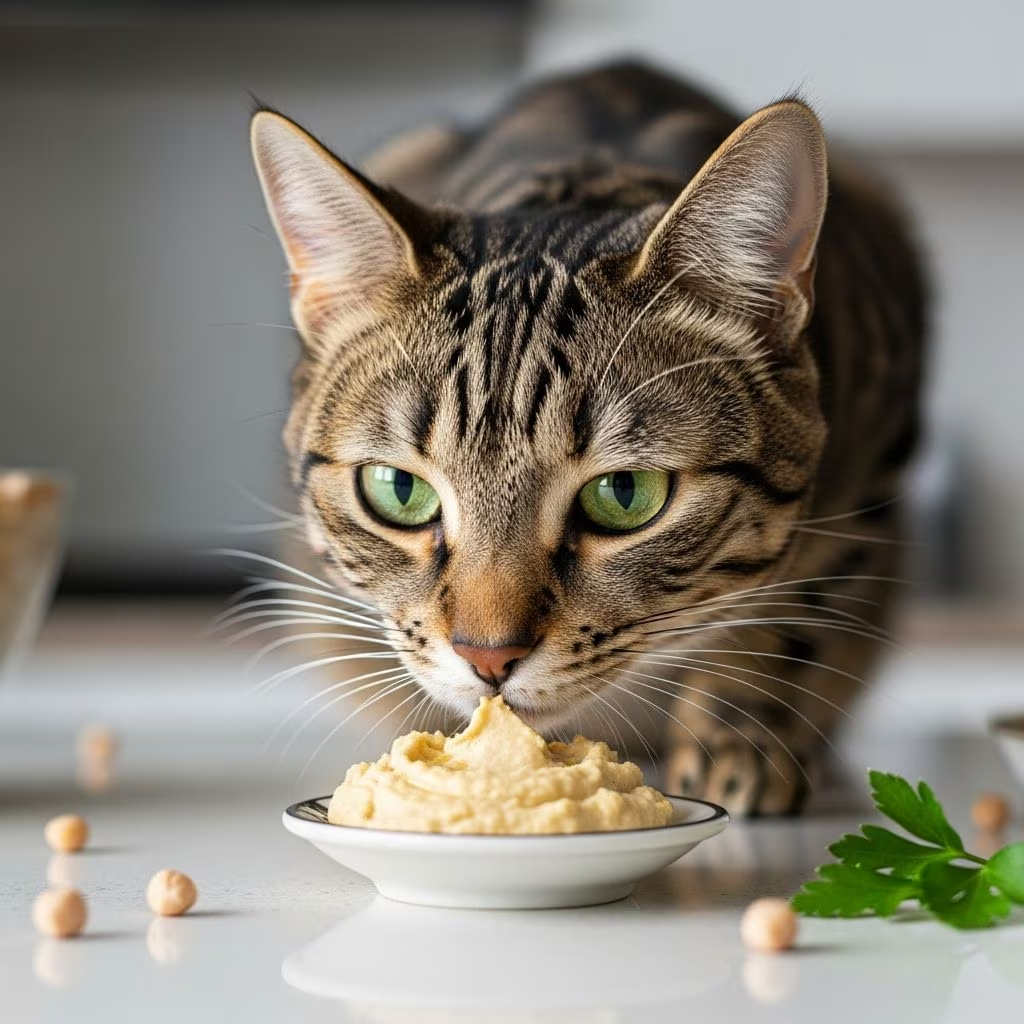
Can Cats Eat Hummus? A Comprehensive Nutritional Guide
As a cat owner, you may wonder whether your feline companion can safely enjoy some of your favorite human foods, such as hummus. This creamy Middle Eastern dip made from chickpeas, tahini, and various seasonings is beloved by many people worldwide. However, when it comes to our furry friends, the answer to whether cats can eat hummus is far more complicated than a simple yes or no. Understanding the potential risks and benefits of hummus for cats requires examining both the nutritional components and potentially toxic ingredients commonly found in this popular snack.
Understanding Feline Dietary Needs
Before exploring whether hummus is suitable for cats, it’s essential to understand the fundamental dietary requirements of felines. Cats are obligate carnivores, meaning their bodies are physiologically designed to thrive on animal-based proteins rather than plant-based foods. Unlike dogs and humans, cats cannot synthesize certain essential amino acids from plant sources, particularly taurine, which is crucial for maintaining healthy heart function, vision, and immune system performance.
This carnivorous nature means that while cats might find certain plant-based foods interesting or palatable, these foods cannot replace or significantly supplement their primary nutritional needs. Hummus, being a plant-based product primarily composed of chickpeas and tahini, offers limited nutritional value tailored to feline health requirements. Any consideration of feeding hummus to cats must take this fundamental biological fact into account.
The Short Answer: Should Cats Eat Hummus?
The straightforward answer is that cats should not regularly consume hummus. While small, occasional amounts of plain hummus prepared without toxic ingredients may not cause immediate harm, hummus is generally not recommended for cats due to several potentially dangerous components commonly found in both store-bought and homemade varieties.
Toxic Ingredients in Hummus: The Primary Concerns
Garlic: The Most Dangerous Ingredient
The most significant concern with hummus for cats is the presence of garlic. Garlic is one of the most toxic substances commonly found in hummus for feline consumption. This ingredient contains compounds called organosulfides that can cause serious damage to a cat’s red blood cells.
When cats consume garlic, these organosulfides oxidize hemoglobin in red blood cells, leading to a condition called Heinz body anemia. This can occur even in small amounts, and the effects can be particularly severe in kittens or cats with pre-existing health conditions. Symptoms of garlic toxicity in cats include:
- Weakness and letharness
- Pale gums and mucous membranes
- Vomiting and diarrhea
- Reduced appetite
- Difficulty breathing
Most commercial hummus products contain substantial quantities of garlic, making them particularly dangerous for feline consumption.
Lemon Juice and Citric Acid
Another significant concern in hummus is lemon juice and citric acid. These acidic components can irritate a cat’s gastrointestinal tract, potentially causing mouth irritation, vomiting, and diarrhea. The citric acid present in commercial hummus products can lower stomach pH, increasing the risk of gastric ulcers, especially in kittens or cats with underlying liver conditions.
The acidic nature of lemon juice makes hummus particularly unsuitable for cats whose digestive systems are not equipped to handle such levels of acidity on a regular basis.
Excess Salt Content
Hummus often contains high levels of added salt, which poses another risk to feline health. Cats require minimal sodium in their diet, and excessive salt consumption can lead to:
- Increased thirst and dehydration
- Electrolyte imbalances
- Salt poisoning in severe cases
- Kidney stress, particularly in senior cats
Tahini and Oil Content
While tahini (ground sesame seeds) and oils are not inherently toxic, they present digestive challenges for cats. These fatty components can slow digestion, interfere with enzyme activity, and potentially trigger gastrointestinal upset including vomiting and diarrhea. For overweight cats or those with diabetes, the tahini and oil content in hummus can exacerbate their conditions by disrupting metabolic balance.
Spices and Additives
Beyond the primary ingredients, hummus may contain various spices and preservatives that can upset a cat’s sensitive digestive system. Packaged hummus products often include citric acid for preservation, potassium sorbate, and flavor additives that stress a cat’s system and provide no nutritional benefit.
Potential Benefits of Hummus Components
Despite the significant risks, some components of hummus do offer nutritional value in controlled amounts. Understanding these potential benefits can help clarify why some sources suggest that small, carefully prepared portions might be permissible.
Chickpeas, the primary ingredient in hummus, contribute plant-based protein and dietary fiber. Tahini provides additional protein and healthy fats from sesame seeds. Hummus also contains various B vitamins, magnesium, copper, iron, and zinc that can potentially enhance skin, coat, digestive, and immune health.
However, these benefits must be weighed against the significant risks posed by the harmful ingredients and the fact that cats cannot efficiently process plant-based proteins and fiber. The fiber content, while beneficial for humans, can cause bloating and flatulence in cats whose digestive systems are not designed to handle high-fiber plant foods.
Health Risks and Symptoms of Hummus Ingestion
If a cat consumes hummus, particularly in larger quantities or a variety containing garlic, several health risks and symptoms may develop:
| Symptom | Potential Cause | Severity |
|---|---|---|
| Vomiting and diarrhea | Garlic toxicity, lemon juice irritation, high fat content | Moderate to High |
| Lethargy and weakness | Heinz body anemia from garlic | High |
| Pale gums | Red blood cell damage | High |
| Drooling | Mouth irritation from citrus | Mild to Moderate |
| Loss of appetite | Gastrointestinal upset | Moderate |
| Increased thirst | Excessive salt content | Mild to Moderate |
Kittens and Hummus: Special Considerations
Kittens require even greater protection from foods like hummus than adult cats. Their developing bodies are more sensitive to toxic substances, and their digestive systems are less resilient to potentially harmful ingredients. The risks of anemia, gastrointestinal upset, and other complications are significantly magnified in young cats whose immune systems are still maturing.
Kittens should consume only food specifically formulated for their age and life stage, under no circumstances should hummus or similar human foods be offered to young cats.
Homemade Hummus: Is It Safer?
Some pet owners wonder whether homemade hummus without garlic might be a safer option for their cats. However, even garlic-free hummus is not recommended for feline consumption. Homemade versions still typically contain tahini, oil, lemon juice, and salt—ingredients that pose digestive and health challenges for cats.
Additionally, homemade hummus offers no significant health benefits for cats that cannot be obtained from properly formulated feline nutrition. The effort to remove harmful ingredients does not justify feeding hummus to cats when safer, more appropriate alternatives exist.
If Your Cat Has Consumed Hummus
If your cat has accidentally consumed hummus, the appropriate response depends on the quantity and ingredients involved:
- Small amount, no garlic: Monitor your cat for signs of gastrointestinal upset. If no symptoms appear within 12-24 hours, serious harm is unlikely.
- Small amount with garlic or spices: Watch carefully for vomiting, diarrhea, lethargy, or loss of appetite. Contact your veterinarian if any symptoms develop.
- Large amount: Contact your veterinarian immediately, especially if garlic content is confirmed.
Your veterinarian can assess your cat’s condition and recommend appropriate treatment if needed.
Safe Treat Alternatives for Your Cat
Rather than offering hummus, consider these safer alternatives that align with your cat’s nutritional needs:
- Cooked, unseasoned chicken or turkey
- Plain, cooked salmon (occasional portions)
- Commercial cat treats formulated for feline nutrition
- Specially designed cat snacks made from meat proteins
- Small amounts of cooked eggs (without seasoning)
These alternatives provide genuine nutritional value while respecting your cat’s obligate carnivore status.
Preventing Accidental Hummus Exposure
To protect your cat from accidentally consuming hummus:
- Store hummus in closed, secure containers
- Never leave plates or bowls containing hummus unattended
- Wipe spills promptly and thoroughly
- Feed your cat before eating your own meals to reduce begging behavior
- Redirect your cat’s attention with appropriate toys or treats when you’re consuming human foods
- Educate family members about foods that are unsafe for cats
Frequently Asked Questions About Cats and Hummus
Q: Can cats eat hummus as an occasional treat?
A: While small amounts of plain hummus without garlic might not cause immediate harm, hummus is not recommended even as an occasional treat. The potential risks outweigh any marginal benefits, and safer alternatives exist.
Q: What should I do if my cat only licked a small amount of hummus?
A: If your cat only licked a small amount, serious harm is unlikely. However, watch for signs of gastrointestinal upset or lethargy over the next 24 hours. Contact your veterinarian if symptoms appear.
Q: Is store-bought hummus more dangerous than homemade?
A: Store-bought hummus often contains more preservatives, higher sodium levels, citric acid, and typically significant amounts of garlic, making it more dangerous. However, homemade hummus is still not recommended.
Q: Can chickpeas alone be given to cats?
A: Plain, cooked chickpeas in very small amounts might be tolerated by some cats, but they offer minimal nutritional benefit and can cause digestive upset due to their high fiber content.
Q: What are the early signs of garlic toxicity in cats?
A: Early signs include weakness, pale gums, vomiting, reduced appetite, and lethargy. If you suspect garlic toxicity, contact your veterinarian immediately.
Q: Are there any cats that can safely eat hummus?
A: No, hummus is not safe for any cat, including adult, healthy cats. All cats lack the physiological capacity to safely process hummus’s primary harmful ingredients.
Conclusion: Prioritizing Your Cat’s Health
While hummus is a nutritious and delicious snack for humans, it is clearly not suitable for feline consumption. The presence of garlic, lemon juice, excessive salt, and high fat content creates multiple health risks for cats, who have very different nutritional requirements than people. The potential nutritional benefits from chickpeas and tahini are far outweighed by the dangers posed by common hummus ingredients.
As responsible cat owners, the safest approach is to keep hummus and other potentially harmful human foods completely away from our feline companions. Instead, focus on providing high-quality, meat-based cat food formulated to meet all of your cat’s nutritional needs. When you want to offer treats, choose products specifically designed for cats that respect their obligate carnivore status. By making informed dietary choices, you’ll help ensure your cat enjoys a long, healthy, and vibrant life.
References
- Decoding the Hummus Dilemma: Nourishing Your Cat with Caution — MyWilliamBlog. 2025. https://mywilliamblog1178.weebly.com/blog/decoding-the-hummus-dilemma-nourishing-your-cat-with-caution
- Can Cats Eat Hummus? – Side Effects and Safer Alternatives — Dog Health Talks. 2025. https://www.doghealthtalks.com/can-cats-eat-hummus/
- Can Cats Have Hummus? What Happens If They Do — WOpet. 2025. https://wopet.com/cats/can-cats-have-hummus/
- Can dogs or cats eat hummus? — ManyPets. 2025. https://manypets.com/us/pet-food-safety/can-my-pet-eat-hummus/
- Can Cats Eat Hummus? Vet Reviewed Nutritional Facts & Info — Hepper Articles. 2025. https://articles.hepper.com/can-cats-eat-hummus/



