

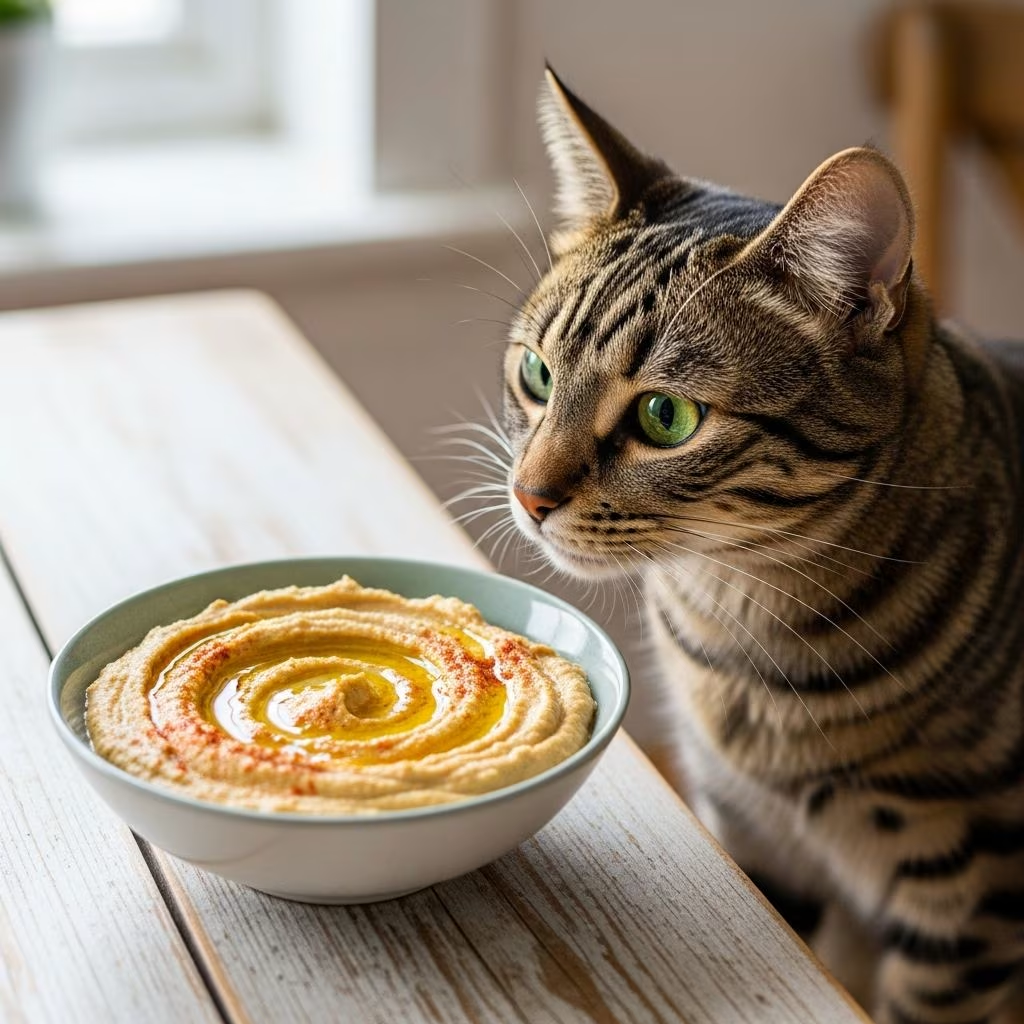
Hummus, a popular dip made from chickpeas, tahini, garlic, and lemon juice, tempts many cat owners when their felines show interest. However, while small tastes might not cause immediate harm, hummus is generally not safe for cats due to toxic ingredients like garlic and potential digestive irritants. Cats are obligate carnivores requiring meat-based nutrition, and plant-heavy hummus offers little value while posing risks. This article examines hummus ingredients, benefits versus dangers, safe feeding practices, and alternatives to keep your cat healthy.
What’s in Hummus?
Traditional hummus consists of blended chickpeas, tahini (sesame paste), olive oil, garlic, lemon juice, salt, and spices. Chickpeas provide plant protein and fiber, tahini adds healthy fats and minerals like magnesium and zinc, while garlic and lemon contribute flavor but spell trouble for cats. Store-bought varieties often include preservatives, extra salt, or citric acid, amplifying risks. Homemade versions allow ingredient control but still require caution.
- Chickpeas: High in fiber and plant protein, but cats’ short digestive tracts struggle with legumes, leading to gas or bloating.
- Tahini: Sesame-based, offering fats and nutrients, but excessive amounts can upset stomachs in felines.
- Garlic: Contains organosulfides toxic to cats, damaging red blood cells and causing anemia.
- Lemon Juice: Acidic citrus irritates the GI tract, potentially causing vomiting or diarrhea.
- Salt and Oils: Excess sodium risks dehydration; oils may cause loose stools.
The Dangers: Why Hummus Isn’t Cat-Friendly
Garlic stands out as the primary toxin in hummus. Even small amounts trigger Heinz body hemolytic anemia by oxidizing hemoglobin in red blood cells, leading to rupture, oxygen deprivation, weakness, vomiting, diarrhea, lethargy, and pale gums. Onions share this toxicity, though less common in hummus. A single gram can affect a 5-pound cat.
Lemon juice’s citric acid lowers stomach pH, risking ulcers or inflammation, especially in kittens or cats with sensitivities. High fiber from chickpeas ferments in the gut, causing bloating, flatulence, or diarrhea—issues for cats unadapted to plant matter. Salt promotes thirst and, in excess, sodium poisoning with tremors or seizures. Spices and oils further irritate, slowing digestion.
Cats’ obligate carnivore biology demands animal protein, taurine, and arachidonic acid absent in hummus. Regular plant foods displace vital nutrients, risking malnutrition. Large ingestions amplify dangers; even licks warrant monitoring.
| Ingredient | Risk Level for Cats | Potential Symptoms |
|---|---|---|
| Garlic | High (Toxic) | Anemia, vomiting, lethargy, pale gums |
| Lemon Juice | Medium | Stomach upset, diarrhea, ulcers |
| Chickpeas/Fiber | Low-Medium | Bloating, gas, loose stools |
| Salt | Medium | Thirst, dehydration, poisoning |
| Tahini/Oils | Low | Diarrhea, vomiting if excessive |
Can Cats Eat Hummus in Small Amounts?
Minute amounts—like a lick—rarely cause severe issues in healthy adults, providing minor protein or fiber from chickpeas and tahini. However, garlic’s cumulative toxicity builds over time, and no ‘safe’ threshold exists. Veterinary consensus advises against it entirely, as benefits don’t outweigh risks. Kittens, seniors, or cats with health issues face amplified dangers.
Nutritional Benefits of Hummus for Cats: Fact or Fiction?
Hummus boasts B vitamins, iron, copper, zinc, and fiber for humans, potentially aiding feline digestion, coat, or immunity in theory. Chickpeas offer plant protein; tahini provides fats. Yet, cats inefficiently process these—lacking enzymes for plant nutrients—and derive negligible gains compared to meat. Fiber might regulate bowels occasionally, but safer sources exist. Overall, hummus adds no essential feline nutrients.
How Much Hummus Can Cats Eat?
If offering despite risks, limit to 1/2 teaspoon once weekly max for a 10-pound cat, monitoring closely. Exceed this, and toxicity looms. Gradually introduce to check tolerance, but vets recommend zero. Portion size depends on cat weight, health, and hummus recipe—err tiny.
How Should You Feed Your Cat Hummus?
Opt for homemade without garlic, onions, lemon, salt, or spices—puree plain chickpeas sparingly. Let your cat sniff first, then mix a pea-sized dab into wet food. Supervise; stop if refusal or upset occurs. Prevent access to human plates. Better: skip entirely.
What Happens If Your Cat Eats Hummus?
Small amounts may pass unnoticed or cause mild vomiting/diarrhea. Garlic-laden bites risk anemia symptoms in 1-5 days: lethargy, dark urine, rapid breathing. Contact a vet immediately for sizable ingestions, providing hummus details. Induce vomiting only under guidance; treatments include fluids, blood tests, or oxygen. Watch 48-72 hours.
Can Kittens Eat Hummus?
No. Kittens’ developing systems and sensitive stomachs amplify risks from acidity, toxins, and fiber. Stick to kitten formula or vet-approved food.
Can Homemade Hummus Without Garlic Be Given to Cats?
Garlic-free improves safety marginally, but lemon, salt, oils, and tahini persist as irritants with no nutritional upside. Not recommended.
Top 5 Safer Alternatives to Hummus for Cats
Choose meat-centric treats matching cats’ carnivorous needs:
- Cooked Chicken/Turkey: Plain, unseasoned—lean protein source.
- Commercial Cat Treats: Formulated with taurine, low-calorie.
- Fish (Canned in Water): Salmon or tuna sparingly for omega-3s; avoid mercury buildup.
- Freeze-Dried Meat: Pure meat snacks for dental health.
- Cat-Safe Veggies: Steamed pumpkin for fiber, minus legume issues.
FAQs
Is hummus toxic to cats?
Potentially yes, due to garlic causing anemia and other ingredients irritating digestion. Avoid it.
My cat ate hummus—what should I do?
Monitor for vomiting, lethargy, or pale gums. Call a vet if symptoms appear or large amount ingested.
Is a little hummus okay as a treat?
Better not; risks outweigh minimal benefits. Opt for cat-specific treats.
Why do cats like hummus?
Fatty, umami flavors appeal, but curiosity doesn’t mean safety.
Can all cats tolerate hummus the same?
No—kittens, seniors, or ill cats face higher risks.
References
- Decoding the Hummus Dilemma: Nourishing Your Cat with Caution — mywilliamblog1178.weebly.com. 2023. https://mywilliamblog1178.weebly.com/blog/decoding-the-hummus-dilemma-nourishing-your-cat-with-caution
- Can Cats Eat Hummus? – Side Effects and Safer Alternatives — doghealthtalks.com. 2024. https://www.doghealthtalks.com/can-cats-eat-hummus/
- Can Cats Have Hummus? What Happens If They Do — wopet.com. 2024. https://wopet.com/cats/can-cats-have-hummus/
- Can my pet eat Hummus? — manypets.com. 2025-01-10. https://manypets.com/us/pet-food-safety/can-my-pet-eat-hummus/
- Can Cats Eat Hummus? Vet Reviewed Nutritional Facts & Info — articles.hepper.com. 2024. https://articles.hepper.com/can-cats-eat-hummus/
- Can Cats Eat Hummus? — whisker.com. 2023. https://www.whisker.com/blog/can-cats-eat-hummus



