

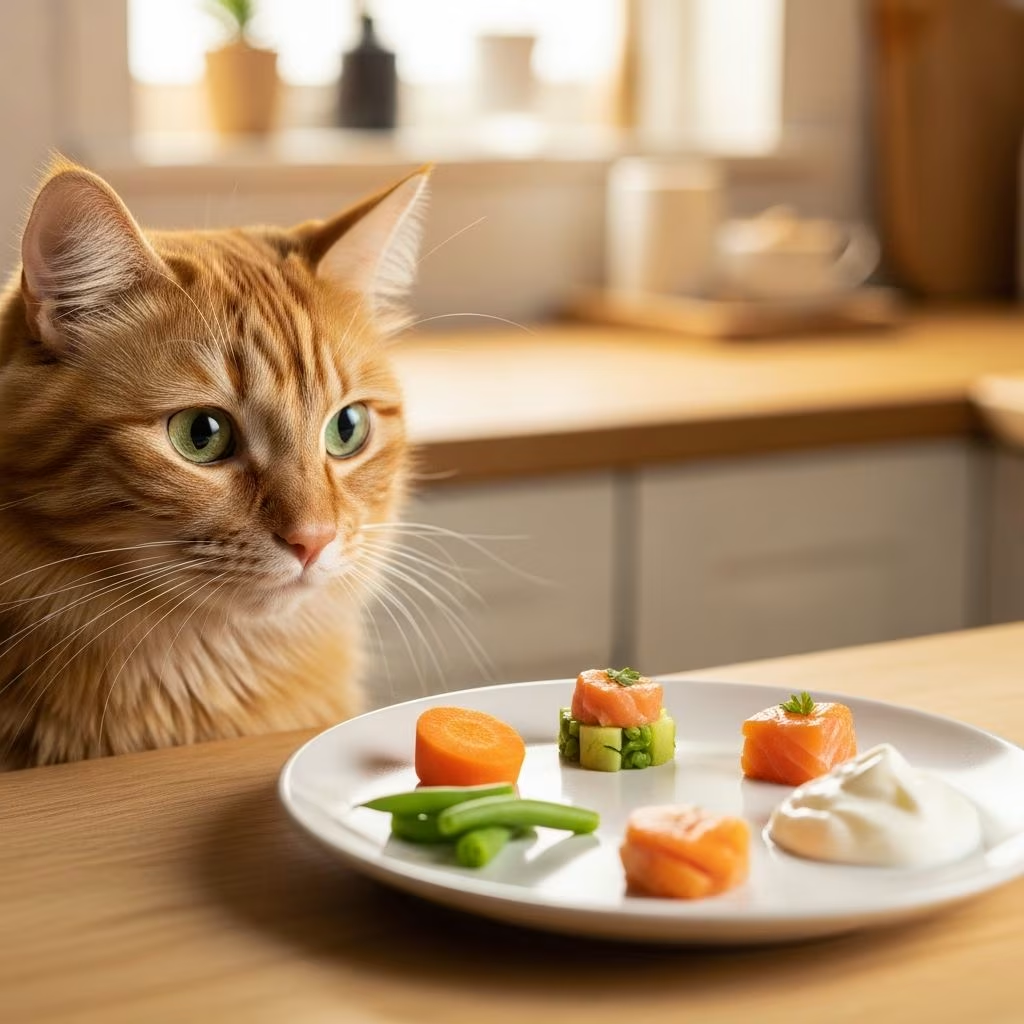
Cats are obligate carnivores with unique nutritional needs that differ significantly from humans. While it’s tempting to share table scraps with your feline friend, not all human foods are safe. Some can provide healthy treats in moderation, but others are outright toxic and can lead to serious health issues like digestive upset, nutrient deficiencies, or even death. This guide covers safe human foods cats can eat, dangerous ones to avoid, feeding guidelines, and answers to common questions to help you make informed choices for your cat’s diet.
Why Cats Have Different Nutritional Needs
Cats require a diet high in animal-based proteins, taurine, and specific vitamins that human foods often lack or cannot provide in the right balance. As obligate carnivores, they derive essential nutrients like arachidonic acid and vitamin A primarily from meat. Feeding too much human food can disrupt this balance, leading to deficiencies in critical nutrients for heart health, vision, and reproduction. “Cats have very specific nutritional needs that must be met daily,” notes a PetWorks feline nutrition expert. Offering human food occasionally is fine, but it should never replace complete cat food.
Human foods high in carbohydrates, sugars, or plant matter don’t align with a cat’s digestive system, which is optimized for protein and fat. Even safe foods must be limited to 5-10% of daily calories to prevent obesity, diabetes, or picky eating habits where cats reject balanced kibble or wet food.
Safe Human Foods for Cats
Several human foods can be safe treats when prepared plainly—cooked without seasonings, oils, salts, or additives—and offered sparingly. Always cut into small pieces to prevent choking and monitor for any adverse reactions.
Lean Cooked Meats
Plain, cooked meats are among the best human foods for cats, providing high-quality protein and amino acids essential for muscle maintenance and energy.
- Chicken and Turkey: Boneless, skinless, boiled or baked. Excellent protein source without fat buildup.
- Beef: Lean cuts, thoroughly cooked and trimmed of fat. Supports overall feline health.
- Liver: Small amounts occasionally for vitamin A and iron, but not daily to avoid vitamin A toxicity.
“Plain cooked meat is one of the safest ways to supplement your cat’s diet,” says a PetWorks specialist. Avoid raw meats due to risks of salmonella and parasites.
Fish
Cooked fish offers omega-3 fatty acids beneficial for skin, coat, joints, and kidneys. Salmon and whitefish are good choices, but remove all bones.
- Feed sparingly; too much can lead to mercury buildup or thiamine deficiency.
- Tuna in water (not oil-packed) is okay occasionally, but never as a meal replacement due to nutrient gaps.
Eggs
Fully cooked eggs (boiled or scrambled without butter) provide complete protein and amino acids. Raw eggs risk salmonella. Limit to once a week.
Certain Vegetables and Fruits
A few plain, cooked veggies add fiber and hydration, though cats don’t need them.
- Cooked Pumpkin or Carrots: Steamed and mashed for digestive health.
- Green Beans or Peas: Plain, in tiny amounts for low-calorie crunch.
- Blueberries or Apples: Small pieces without seeds or skin; antioxidants in moderation.
Grains like oats or brown rice can be tolerated in small amounts for fiber, but they’re not essential.
Dairy Products (With Caution)
Many adult cats are lactose intolerant, leading to diarrhea. Offer only tiny amounts of plain yogurt or hard cheeses like cheddar, if tolerated.
Toxic Human Foods Cats Must Avoid
Many everyday human foods contain compounds lethal to cats. Even small amounts can cause anemia, organ failure, or death. Keep these strictly off-limits.
| Food | Why Toxic | Symptoms |
|---|---|---|
| Chocolate | Theobromine poisoning | Vomiting, seizures, heart issues |
| Onions/Garlic | Disrupts red blood cells, causes anemia | Lethargy, pale gums, rapid breathing |
| Grapes/Raisins | Kidney failure | Vomiting, diarrhea, reduced urine |
| Xylitol (gum, candy) | Hypoglycemia and liver failure | Weakness, seizures |
| Alcohol | Central nervous system depression | Disorientation, coma |
| Raw Dough/Yeast | Ethanol production in stomach | Bloating, intoxication |
| Raw Meat/Eggs/Fish | Bacteria (Salmonella, E. coli) | Food poisoning, severe illness |
“Cats lack enzymes to metabolize certain compounds like those in onions,” explains Dr. Tetty Barunawati Siagian. Fat trimmings can cause pancreatitis, while bones pose choking or splinter risks.
Guidelines for Feeding Human Foods to Cats
To safely incorporate human foods:
- Moderation: Limit to 5-10% of daily calories (e.g., 10-20 calories for a 200-calorie diet).
- Preparation: Plain, cooked, unseasoned. No onions, garlic, salt, or oils.
- Introduction: Start small; watch for vomiting, diarrhea, or allergies.
- Balance: 90%+ from AAFCO-approved cat food for complete nutrition.
- Consult Vet: Especially for kittens, seniors, or cats with health issues.
Overfeeding leads to obesity—a leading cause of diabetes in cats. One ounce of cheese can be half a cat’s daily calories without full nutrients.
How Human Food Affects Cat Health and Behavior
Occasional safe treats enrich bonding and combat boredom, but misuse harms.
- Digestive Issues: New foods cause upset; lactose intolerance leads to diarrhea.
- Obesity and Diabetes: High-fat/calorie treats add empty calories.
- Nutrient Deficiencies: Lacks taurine for heart/eyes; mercury from excess fish.
- Picky Eating: Cats may shun kibble for tastier scraps.
Behavioral perks include mental stimulation, but health risks outweigh if not moderated.
Frequently Asked Questions (FAQs)
Q: Can cats eat grains?
A: Cats don’t need grains as obligate carnivores, but small amounts in cat food provide safe fiber. Avoid large quantities.
Q: How often can I feed human food?
A: No more than 5-10% of daily calories; prioritize complete cat food.
Q: Is tuna okay for cats?
A: Occasional plain tuna in water, yes—but not as a staple due to deficiencies and mercury.
Q: What if my cat eats something toxic?
A: Contact your vet or ASPCA Poison Control (888-426-4435) immediately.
Q: Are dairy products safe?
A: Many cats are lactose intolerant; try small amounts of yogurt if tolerated.
Q: Can cats have bones?
A: No—cooked bones splinter and cause choking or perforations.
Bottom Line
Your cat can enjoy select human foods like plain cooked meats, eggs, and certain veggies as treats, enhancing life without health risks when done right. Steer clear of toxins like chocolate, onions, and grapes. Prioritize moderation and veterinary-approved cat food for a thriving, happy feline. By following these guidelines, you support optimal nutrition and prevent common pitfalls.
References
- Can Cats Safely Eat Human Food? — PetWorks. 2023. https://www.petworks.com/articles/can-cats-safely-eat-human-food/
- What Human Foods Can Cats Eat? — The Honest Kitchen. 2023. https://www.thehonestkitchen.com/blogs/pet-wellness/human-foods-cats-can-eat
- Can Cats Eat Human Food? A Guide to Safety — Purina. 2024. https://www.purina.com/articles/cat/feeding/can-cats-eat/is-human-food-safe-for-cats
- What Human Foods Can Cats Eat? — Taste of the Wild. 2023. https://www.tasteofthewildpetfood.com/articles/nutrition/what-human-foods-can-cats-eat/
- What Human Foods Can Cats Eat? — Chewy. 2024. https://www.chewy.com/education/cat/food-and-nutrition/what-human-foods-can-cats-eat



