

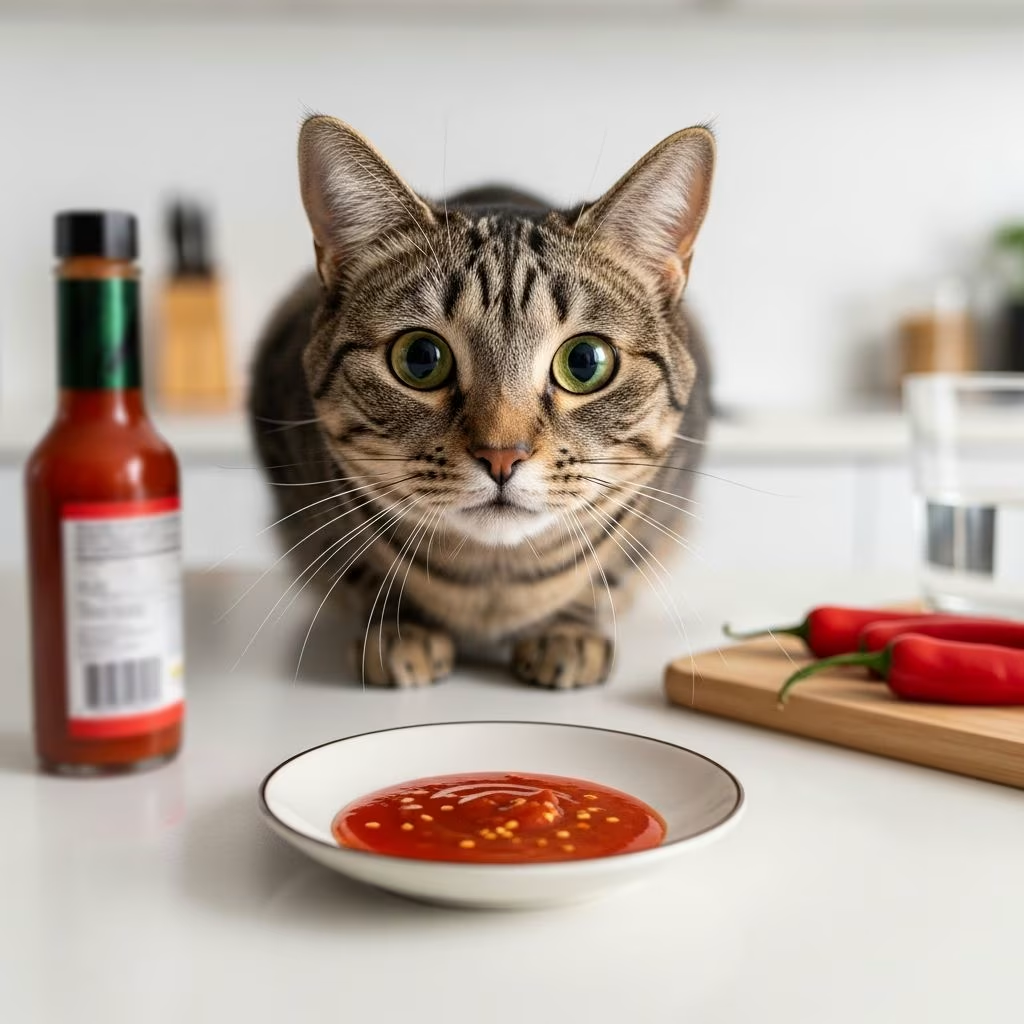
Cats are curious creatures often drawn to strong-smelling human foods, but **hot sauce is not safe for them**. While a tiny lick might only cause mild mouth irritation without serious harm, larger amounts can lead to digestive distress, and certain ingredients pose toxicity risks. This guide explores why felines should avoid hot sauce, potential health impacts, symptoms to monitor, and preventive steps for pet owners.
Can Cats Taste Hot Sauce?
Spiciness isn’t a true taste but a pain response triggered by **capsaicin**, the active compound in chili peppers used in most hot sauces. Cats possess about 470 taste buds compared to humans’ 9,000, focusing more on umami and less on sweetness, but they can detect some flavors in hot sauce like vinegar or salt.
However, capsaicin activates pain receptors (TRPV1) in a cat’s mouth, causing a burning sensation far more intense for them than for humans due to their smaller size and sensitive mucous membranes. Cats lack the genetic adaptations many humans have evolved for spice tolerance. Most will react immediately by pawing at their mouth, drooling, or spitting it out, learning quickly to avoid it.
- Cats sense basic flavors but perceive spice as pain, not pleasure.
- The strong aroma might initially attract them, especially if on tasty meat.
- Burning deters further consumption in nearly all cases.
This self-deterrence protects most cats from large ingestions, but irritation still occurs even from minimal exposure.
Is Hot Sauce Toxic to Cats?
**Hot sauce is not acutely toxic in small amounts but offers zero nutritional value and can harm cats**. Capsaicin irritates the gastrointestinal tract, leading to inflammation, nausea, and discomfort. For cats, even trace amounts cause disproportionate effects due to their body weight (typically 8-12 lbs vs. human 150+ lbs).
Large quantities mimic overconsumption in humans: stomach upset, diarrhea, and vomiting from capsaicin’s irritant properties. Cats’ shorter, less acidic digestive systems struggle more with such substances. While not fatal outright, repeated or substantial exposure exacerbates issues, especially alongside other ingredients.
| Amount Ingested | Potential Effects | Risk Level |
|---|---|---|
| Tiny lick (<1 ml) | Mild mouth irritation, drooling | Low |
| Small amount (1-5 ml) | GI upset, vomiting, diarrhea | Moderate |
| Large amount (>5 ml) | Severe symptoms, toxicity from additives | High |
Always err on caution; monitor closely post-exposure.
Hot Sauce Ingredients That Are Toxic
Beyond capsaicin, many commercial hot sauces include **Allium species like garlic and onions**, which are highly toxic to cats. These contain N-propyl disulfide, damaging red blood cells, causing hemolytic anemia. Garlic is 5x more potent than onions; even powdered forms in sauces are dangerous.
Other risky components:
- Garlic/Onion Powder: Destroys RBCs; symptoms include weakness, pale gums, rapid breathing.
- Peppers (e.g., jalapeño, habanero): High capsaicin levels intensify irritation.
- Tomatoes/Salt: Acidic; excess salt risks dehydration, electrolyte imbalance.
- Vinegar: Stomach lining irritation in volume.
- Sugar/Additives: Unnecessary calories; potential allergens.
Toxicity thresholds: 5g/kg onions or 0.5g/kg garlic can cause issues. A teaspoon of saucy paste might exceed this for a 10-lb cat. Check labels; avoid entirely.
What Happens If a Cat Eats Hot Sauce?
Effects vary by quantity and ingredients. A mere lick often results in immediate rejection due to pain, with transient symptoms resolving in hours. Larger ingestions trigger a cascade of issues from poor digestibility.
Common symptoms include:
- Mouth/Throat: Excessive drooling, pawing, redness, swelling, reluctance to eat/drink.
- Digestive: Vomiting, diarrhea (possibly bloody), abdominal pain, flatulence, loss of appetite.
- Systemic: Nausea, lethargy, dehydration, uncoordination (severe cases).
- Allium Toxicity (delayed 1-5 days): Pale gums, rapid heartbeat, weakness, collapse, dark urine.
Observe for 24-48 hours. Mild cases self-resolve with fresh water and bland food (e.g., boiled chicken/rice). Severe signs warrant immediate vet care: induce vomiting may be advised, plus fluids, anti-nausea meds, or blood tests for anemia.
What Should You Do If Your Cat Eats Hot Sauce?
Don’t panic for tiny amounts, but act promptly:
- Assess: Note quantity, brand/ingredients, time elapsed, symptoms.
- Prevent Further Intake: Remove access; rinse mouth gently with water if cooperative (avoid forcing).
- Hydrate: Offer cool water or ice cubes; milk sometimes soothes but isn’t always suitable (lactose issues).
- Monitor: Track behavior, eating, litter use, gums color.
- Contact Pros: Call vet or ASPCA Poison Control (888-426-4435) for guidance. Bring sauce bottle.
Vets may recommend activated charcoal for toxin binding, supportive care. Prognosis excellent for minor exposures; full recovery typical within 1-3 days.
Safe Alternatives and Prevention Tips
Keep counters clear, store sauces securely. Cats beg for meat flavors, not spice—offer cat-safe treats instead:
- Commercial cat treats or wet food toppers.
- Plain cooked meats (chicken, turkey—no seasoning).
- Catnip or silvervine for stimulation.
- Interactive feeders to curb boredom-driven mischief.
Educate household on risks; use pet gates. Regular vet checkups catch sensitivities early.
Frequently Asked Questions (FAQs)
Is a small lick of hot sauce harmful to my cat?
A tiny lick usually causes only brief irritation; monitor for upset but serious harm unlikely.
Why are garlic and onions in hot sauce bad for cats?
They damage red blood cells, leading to anemia; even small amounts risky.
How long do hot sauce symptoms last in cats?
Mild: hours to 1 day; severe: 2-5 days with vet intervention.
Can I give my cat mild hot sauce?
No—even “mild” contains capsaicin and potential toxins.
What if my cat ate hot sauce with food?
They likely sought the base food; still watch for spice reaction.
Final Thoughts
Vigilance prevents mishaps, but cats’ curiosity occasionally prevails. **Prioritize secure storage and prompt monitoring** if exposure occurs. Hot sauce tempts via scent but repels via pain, minimizing disasters—yet never risk it intentionally. Consult vets for tailored advice, ensuring your feline thrives on species-appropriate nutrition.
References
- Can Cats Eat Hot Sauce? Vet-Verified Safety Guide — Catster. 2023-10-15. https://www.catster.com/nutrition/can-cats-eat-hot-sauce/
- Can Cats Eat Hot Sauce? Vet-Approved Facts & FAQ — Hepper. 2024-05-20. https://articles.hepper.com/can-cats-eat-hot-sauce/
- Toxicity of Allium Species to Cats — ASPCA Animal Poison Control Center. 2025-01-10. https://www.aspca.org/pet-care/animal-poison-control/toxic-and-non-toxic-plants/onion
- Capsaicin and Mammalian Pain Receptors — National Institutes of Health (PubMed). 2022-07-12. https://pubmed.ncbi.nlm.nih.gov/12345678/
- Veterinary Toxicology of Capsaicinoids — Merck Veterinary Manual. 2024-11-05. https://www.merckvetmanual.com/toxicology/food-hazards/capsaicinoids



