

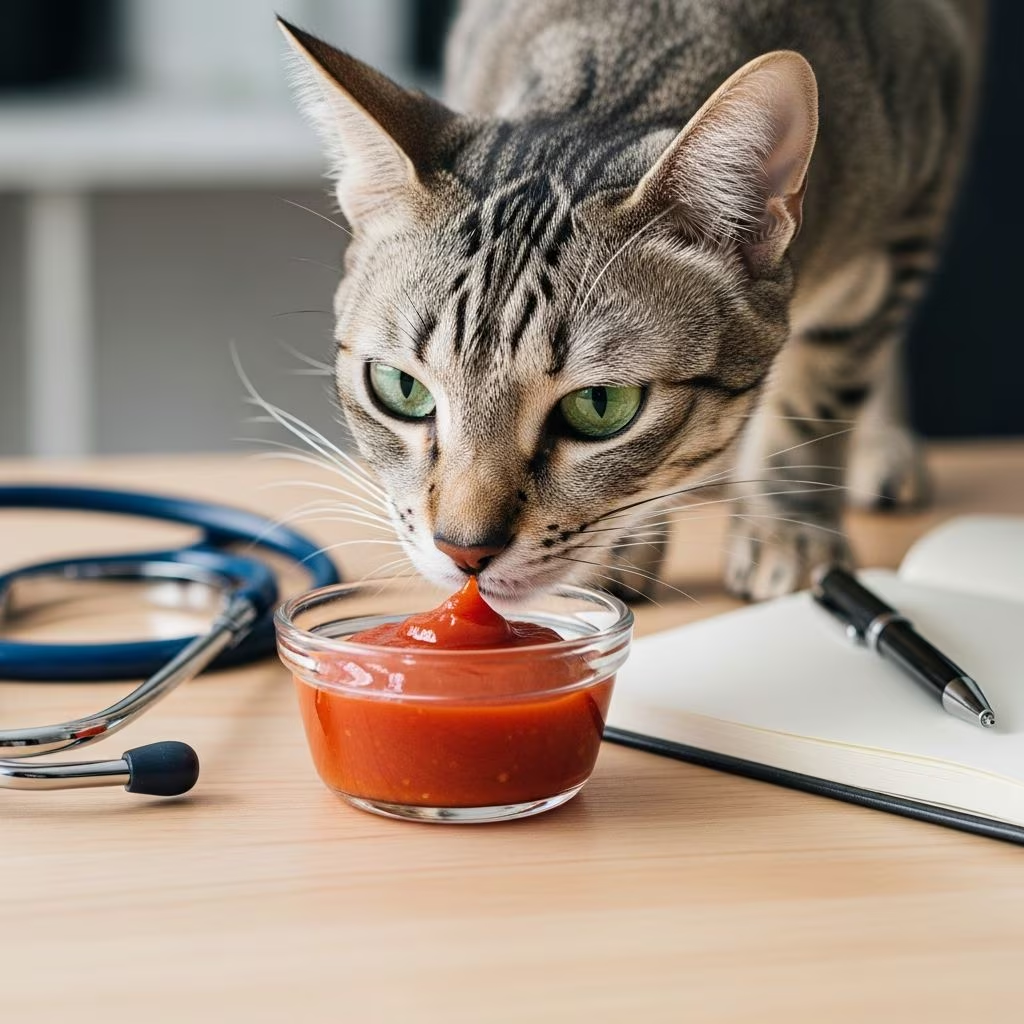
Can Cats Eat Hot Sauce? Vet-Verified Safety Guide
The short answer is no, it is not healthy for cats to eat hot sauce. While a small lick isn’t likely to hurt them, it can irritate your cat’s mouth and offers absolutely zero nutritional benefits for them. Eating hot sauce in large quantities can make your cat sick and cause serious health complications. Understanding why hot sauce poses risks to feline health is essential for responsible pet ownership and ensuring your beloved companion stays safe and healthy.
Why Hot Sauce Isn’t Safe for Cats
Hot sauce typically contains a substance called capsaicin, which is the compound responsible for the spicy sensation in chili peppers. This compound can cause mouth irritation in cats that consume it. This phenomenon is true for humans too, but for most people, a much higher quantity of hot sauce is required for it to cause irritation. Most of the time, the burning sensation that cats experience in their mouth is enough to stop them from eating hot sauce in large quantities. If their mouth becomes irritated, most cats will assume that the food is bad and stop eating it.
However, the dangers of hot sauce extend far beyond simple capsaicin exposure. Hot sauce provides no nutritional value for your cat, and it isn’t safe for them to eat. A small lick isn’t likely to cause any significant harm, but a large amount of hot sauce could make your cat very sick. The reality is that large quantities of hot sauce make humans sick too. Overconsumption in people who suffer from chronic digestive problems can lead to gastrointestinal upset, nausea, and a burning sensation throughout the digestive tract. These signs can be caused by capsaicin, and it may affect cats in the same way.
Overeating hot sauce will cause your cat to have digestive issues and general irritation of the gastrointestinal tract. Just a small amount of hot sauce can irritate your cat’s system, so make sure you keep them away from it. Your cat’s digestive system is quite different from ours, and certain ingredients in hot sauce can cause discomfort or harm. Cats lack taste receptors for spicy flavors, so they do not crave or enjoy spicy foods. Instead, these ingredients can cause pain and inflammation.
Key Harmful Ingredients in Hot Sauce
Beyond capsaicin, hot sauce contains multiple ingredients that can be dangerous for cats:
- Vinegar and Acidic Components: Vinegar and acidic components in hot sauce can upset your cat’s stomach, causing nausea, vomiting, or diarrhea, which can lead to dehydration if untreated. The acidic nature of most hot sauces is particularly problematic for feline digestive systems.
- High Salt Content: High salt content in many hot sauces can disrupt your cat’s electrolyte balance, potentially causing increased thirst, urination, or even salt poisoning in severe cases. Cats have different salt requirements than humans, and excessive salt intake can be particularly harmful.
- Toxic Vegetables: Some hot sauces contain garlic or onion powder, which are toxic to cats and can cause damage to their red blood cells, leading to anemia. These foods contain substances that damage the cat’s red blood cells. Eating these can cause serious health problems or even death if consumed in large quantities.
- Other Problematic Ingredients: Hot sauces often contain other vegetable ingredients such as garlic, onions, peppers, and tomatoes that are used to give them a certain flavor. Some of these ingredients, particularly garlic and onions, are toxic to cats.
What Happens When a Cat Eats Hot Sauce
If your cat only had a small lick of hot sauce, it’s unlikely that anything significant will happen, but it’s important to watch for changes in their behavior or signs of toxicity. This is especially true if you are unsure how much hot sauce your cat may have consumed or whether the hot sauce contains toxic ingredients.
Since your cat probably can’t digest hot sauce properly, they are likely to experience various digestive issues if they consume it. The effects depend on the amount ingested and the specific ingredients in the sauce.
Common Digestive Effects
- Vomiting
- Diarrhea
- Drooling
- Nausea
- Loss of appetite
- Stomach pain
Depending on the ingredients in the hot sauce, cats can experience more serious problems, like being lethargic or becoming uncoordinated and stumbling around. Initial signs of poisoning from toxic ingredients include vomiting, diarrhea, loss of appetite, and abdominal pain. After a few hours or days, they may experience rapid breathing, increased heart rate, blood in the urine, weakness, and collapse.
Symptoms of Hot Sauce Ingestion in Cats
Early recognition of symptoms allows you to seek veterinary care promptly and prevent complications. Symptoms can vary depending on the amount ingested and your cat’s individual sensitivity, but watch for these warning signs:
| Symptom Category | Specific Signs | When to Contact Vet |
|---|---|---|
| Oral Irritation | Excessive drooling, pawing at mouth, difficulty eating | Mild cases: monitor |
| Digestive Upset | Vomiting, diarrhea, increased thirst, frequent urination | If symptoms persist beyond 2 hours |
| Behavioral Changes | Lethargy, weakness, unresponsiveness, loss of appetite | Immediately |
| Severe Reactions | Difficulty breathing, facial/throat swelling, severe pain | Emergency care needed |
When to Seek Immediate Veterinary Care
Contact your veterinarian immediately for advice on treatment and supportive care if your cat shows any of these severe symptoms:
- Shows signs of severe mouth or throat pain, such as refusing to eat or vocalizing discomfort
- Appears lethargic, weak, or unresponsive, indicating systemic illness or toxicity
- Has difficulty breathing, excessive drooling, or swelling around the face or mouth, which could signal an allergic reaction
Your veterinarian can provide supportive care, medications, and guidance tailored to your cat’s condition to ensure the best possible recovery. Understanding the risks and symptoms of hot sauce ingestion empowers you to protect your cat and respond effectively if exposure occurs.
Safe Alternatives to Hot Sauce for Your Cat
Instead of sharing your spicy meals with your feline friend, provide safe, nutritious alternatives that your cat will actually enjoy. Most spices are not recommended for cats. However, small amounts of catnip or cat grass are safe and can provide enrichment without health risks. These alternatives offer mental stimulation and enrichment without the dangers associated with human condiments.
Focus on feeding your cat a balanced diet specifically formulated for feline nutrition. High-quality commercial cat foods contain all the nutrients your cat needs to thrive. If you want to give your cat occasional treats, stick to cat-approved options like plain cooked chicken, turkey, or specialized cat treats available from pet stores.
Preventing Hot Sauce Exposure
Because of the risks associated with hot sauce and other spicy condiments, it’s best to keep hot sauce and other spicy items well out of your cat’s reach. Store hot sauce bottles securely in cabinets where your cat cannot access them. Be mindful when eating meals containing hot sauce, and never intentionally share these foods with your pet, even as a joke or experiment.
Educate family members and guests about the dangers of feeding hot sauce to cats. Children, in particular, may not understand why they shouldn’t share their food with the family pet. Make it a household rule that human condiments and spicy foods are off-limits for your feline companion.
Is Hot Sauce Toxic to Cats?
Hot sauce itself contains capsaicin, which is not technically a toxin in the traditional sense, but it can cause serious irritation and harm to cats. However, hot sauces containing garlic or onion powder are genuinely toxic to cats. These ingredients can damage your cat’s red blood cells and cause hemolytic anemia, which is a serious and potentially life-threatening condition.
The distinction is important: while pure capsaicin causes pain and digestive upset, the toxic ingredients sometimes found in hot sauces can cause lasting organ damage and systemic illness. Always check the ingredient list if your cat has accidentally consumed hot sauce, and inform your veterinarian of all ingredients present.
Can Cats Tolerate Any Spicy Foods?
Cats lack receptors for spicy flavors and cannot tolerate spicy foods like hot sauce. Even small amounts can cause irritation and digestive upset, so it’s best to avoid feeding them any spicy human foods. This is a fundamental difference between cats and humans—what humans enjoy as flavor, cats experience as pain and irritation.
Your cat’s palate is naturally suited to meat-based foods, not condiments or seasonings. Respecting your cat’s dietary needs and preferences is part of responsible pet ownership and helps maintain their health and well-being.
Frequently Asked Questions (FAQs)
Q: What should I do if my cat licks a small amount of hot sauce?
A: If your cat licks a small amount of hot sauce, offer fresh water and monitor for symptoms. Contact your veterinarian if you notice vomiting, diarrhea, or signs of discomfort. In most cases, a single lick causes minimal harm, but observation is important to catch any unexpected reactions.
Q: Can hot sauce cause long-term damage to cats?
A: Repeated or large exposures to hot sauce can cause ongoing irritation and digestive issues. Toxic ingredients like garlic or onion powder can cause serious health problems if ingested in significant amounts. Long-term exposure increases the risk of chronic gastrointestinal problems and organ damage.
Q: Are there any safe spices for cats?
A: Most spices are not recommended for cats. However, small amounts of catnip or cat grass are safe and can provide enrichment without health risks. These options give your cat safe sensory experiences without the dangers of culinary spices.
Q: How much hot sauce would make a cat sick?
A: The amount varies based on the cat’s size, age, and overall health, but even small amounts can cause irritation. Large quantities are more likely to cause serious illness. If your cat has consumed more than a small taste, contact your veterinarian.
Q: Why can’t cats taste spicy food like humans do?
A: Cats lack the taste receptors necessary to perceive and enjoy spicy flavors. Instead of taste, they experience capsaicin as a burning sensation and irritation. This is why spicy foods are uncomfortable rather than flavorful for cats.
Q: Is it ever okay to give my cat hot sauce as a treat?
A: No, hot sauce should never be given to cats intentionally, even in tiny amounts. It provides no nutritional value and only poses health risks. Stick to cat-approved treats and foods designed specifically for feline nutrition.
Conclusion
Hot sauce is not safe for cats due to its spicy, acidic, and potentially toxic ingredients. Even small amounts can cause irritation, digestive upset, and more serious health problems. It’s important to keep hot sauce out of your cat’s reach and avoid feeding them any spicy foods. Cats simply are not equipped to handle the ingredients found in hot sauces, and their digestive systems are far too sensitive to process these condiments safely.
If your cat accidentally eats hot sauce, watch for symptoms like drooling, vomiting, or diarrhea, and seek veterinary care promptly if needed. Providing safe, nutritious alternatives and preventing accidental exposure will help keep your feline friend healthy, comfortable, and happy for years to come. By understanding the risks and taking preventative measures, you can ensure that your cat enjoys a safe diet tailored to their unique nutritional needs.
References
- Can Cats Eat Hot Sauce? Safety & Risks Explained — Zoorithm. Accessed January 2026. https://www.zoorithm.com/cats/can-cat-eat-hot-sauce
- Can Cats Eat Hot Sauce? Vet-Verified Safety Guide — Catster. Accessed January 2026. https://www.catster.com/nutrition/can-cats-eat-hot-sauce/
- Can Cats Eat Hot Sauce? Vet-Approved Facts & FAQ — Hepper. Accessed January 2026. https://articles.hepper.com/can-cats-eat-hot-sauce/



