

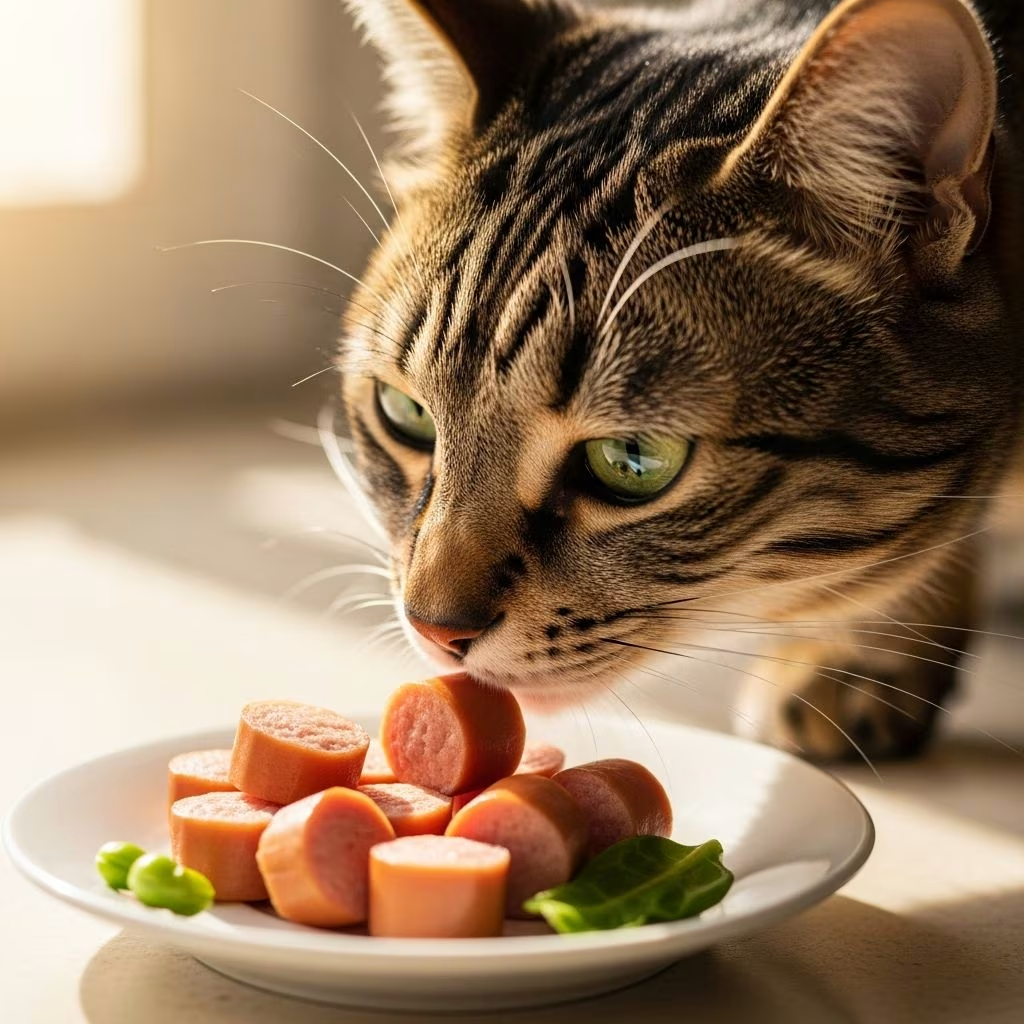
Can Cats Eat Hot Dogs? Vet-Reviewed Nutrition Facts
A hot dog might seem like a harmless stick of meat, not far different from the small animals your cat would naturally hunt in the wild. However, looks can be deceiving. The truth is that hot dogs are vastly different from any food your cat would naturally consume in their diet, and experts agree that hot dogs are not a food you should feed your cat.
While a hot dog might seem like a harmless treat, they contain ingredients that are far from ideal for our furry friends. They generally have very high levels of sodium, fat, and artificial additives and preservatives that can easily disturb your cat’s digestive system and cause an upset stomach. Beyond immediate digestive concerns, there are potential long-term health risks associated with weight gain from eating such calorically dense food.
No, You Shouldn’t Feed Your Cat Hot Dogs
The straightforward answer is: no, cats should not eat hot dogs. While we often eat foods that aren’t good for us as humans, the situation is different for our feline companions. Cats have specific nutritional requirements that are fundamentally different from human dietary needs.
As obligate carnivores, cats require a diet rich in animal protein specifically formulated to meet their unique metabolic needs. Hot dogs, despite containing some meat, are highly processed products designed for human consumption and lack the essential nutrients cats need for optimal health. Additionally, they contain numerous ingredients that can be harmful or even toxic to cats.
Why Hot Dogs Are Problematic for Cats
Understanding the specific reasons why hot dogs are unsuitable for cats helps pet owners make informed decisions about their feline companions’ diets:
- Extremely high sodium content that exceeds safe limits for feline consumption
- Excessive fat levels that can cause digestive upset and weight gain
- Artificial additives and preservatives with uncertain safety profiles for cats
- Potential toxic ingredients like garlic and onion powder in certain brands
- Choking hazards due to their shape and texture
- Empty calories with minimal nutritional value for feline health
High Sodium Content
One of the most significant concerns with hot dogs is their exceptionally high sodium content. Everyone knows that too much sodium in a diet can cause health problems. In humans, excess sodium can cause high blood pressure, but the effects in cats depend on the amount they consume and their individual health status.
Hot dogs typically contain 400-500 mg of sodium per serving, far exceeding the safe daily intake for cats. Although taking a small bite out of a hot dog is unlikely to cause serious acute issues related to sodium content, it still isn’t something you should be offering your kitty. Cats are not adapted to handle high salt levels, making hot dogs a harmful snack.
Health Effects of Excess Sodium
Too much sodium can lead to several health complications in cats:
- Increased thirst and excessive drinking
- Vomiting and diarrhea
- Dehydration
- Electrolyte imbalance
- Kidney damage with chronic exposure
- Signs of salt toxicity at amounts exceeding 0.05 tablespoons
For cats with pre-existing kidney disease or heart conditions, the risks associated with high sodium foods are even more pronounced. These health conditions require careful dietary management, and foods like hot dogs should be strictly avoided.
Too Much Fat
The high-fat content of hot dogs is one of the biggest reasons not to feed them to your cat. Hot dogs are calorie-dense products with fat comprising a significant portion of their nutritional profile. A typical hot dog contains 12-16 grams of fat, which represents an extraordinarily high concentration for a single food item meant for a cat.
While cats can technically tolerate higher levels of fat in their diet compared to dogs, a very high fat snack can still cause immediate digestive upset including vomiting and diarrhea. Beyond these acute effects, the larger concern is chronic consumption patterns. If cats eat high-fat snacks regularly, these excess calories accumulate in their diet, leading to weight gain and related health problems.
Consequences of Excess Fat Consumption
Obesity and weight-related health issues stemming from high-fat diets can trigger a cascade of serious medical problems in cats:
- Feline obesity and overweight conditions
- Type 2 diabetes mellitus
- Joint problems and arthritis
- Heart disease and cardiovascular complications
- Reduced mobility and quality of life
- Increased risk of other obesity-related conditions
The 150-180 calories found in a single hot dog can represent a substantial portion of a cat’s daily caloric needs, depending on their age, size, and activity level. Offering hot dogs as treats essentially displaces nutrition from their regular, balanced cat food without providing corresponding nutritional benefits.
Additives and Preservatives
Most hot dogs contain various additives and preservatives designed to extend their shelf life and improve flavor and appearance. Even uncured hot dogs marketed as “natural” typically use naturally-sourced preservatives, such as celery extracts as a source of nitrates. These additives are considered safe for human consumption under regulatory frameworks, but their safety for cats remains uncertain.
Common Additives Found in Hot Dogs
| Additive | Purpose | Concern for Cats |
|---|---|---|
| Sodium nitrite | Preservative | Linked to cancer in high doses |
| Nitrates | Curing agent | Considered a carcinogen; associated with increased cancer risk |
| Monosodium glutamate (MSG) | Flavor enhancer | May cause allergic reactions in cats |
| Artificial colors | Visual appeal | Potential allergens and unknown long-term effects |
| Garlic powder | Flavoring | Toxic to cats; damages red blood cells |
| Onion powder | Flavoring | Toxic to cats; causes hemolytic anemia |
Nitrates, which are often found in cured meats including many hot dog varieties, are considered a carcinogen and may be associated with an increased risk of certain cancers when consumed frequently. It’s best to avoid feeding them to your cat as a regular snack or treat, and ideally avoid them altogether.
Additionally, hot dogs frequently contain garlic and onion powder, which are both toxic to cats. These ingredients can damage feline red blood cells and lead to hemolytic anemia. Different brands may also contain other potential toxins, and it is nearly impossible to determine the exact concentration of each ingredient in a given hot dog and how much would make your cat sick.
Choking Hazards and Other Risks
Beyond nutritional and chemical concerns, hot dogs present physical safety hazards to cats. Large pieces of hot dog can pose a significant choking hazard, especially if they contain bones or tough skin. Cats may have difficulty chewing them properly and might swallow large pieces whole, raising the risk of choking or intestinal blockage.
In the context of a family barbecue or outdoor gathering, additional risks emerge. In the celebratory chaos of a good barbecue, it can be difficult to keep an eye on your cat, giving them ample opportunities to steal food, sneak out the door, or find other sources of mischief. Be sure to keep hot food far out of reach to avoid burns and keep the trash sealed up tight to prevent scavenging.
Food-Related Barbecue Dangers
- Direct burns from hot foods and surfaces
- Choking hazards from large or improperly chewed pieces
- Intestinal blockages from ingested non-food items
- Toxins from condiments like ketchup, mustard, and relish
- Skewers and plastic wrapping causing internal injuries
- Unsupervised access to human foods in trash or on surfaces
Confiscate any non-edible materials that have the scent or taste of meat on them, such as skewers and plastic wrapping. These can cause serious injuries, including intestinal blockages, if swallowed.
Nutritional Profile of Hot Dogs
Understanding the actual nutritional composition of hot dogs helps illustrate why they are unsuitable for cats. A typical hot dog contains:
- 150-180 calories per serving
- 12-16 grams of fat
- 5-7 grams of protein
- 400-500 mg of sodium
While hot dogs do contain protein, it comes packaged with excessive fat, sodium, and calories relative to the actual nutritional value they provide. The protein in processed hot dogs is inferior to the high-quality animal proteins cats require as obligate carnivores. Furthermore, the ratio of empty calories to genuine nutritional benefit makes hot dogs an exceptionally poor food choice for feline companions.
Safe Treat Alternatives for Cats
Rather than offering hot dogs or other processed human foods, consider providing your cat with treats that align with their natural diet and nutritional requirements. If you want your kitty to be able to partake in family meals, stick to sharing pieces of plain, lean, white meats like chicken or turkey that have had skin, bones, and seasoning completely removed.
Cat-Safe Treat Options
- Small pieces of cooked chicken breast (no skin or bones)
- Plain cooked turkey meat
- Cooked white fish without seasoning
- Specialized cat treats formulated for feline nutrition
- Freeze-dried meat treats without additives
- Small portions of commercial cat food approved by your veterinarian
These alternatives are closer to a cat’s natural diet and are significantly safer for their health. They provide genuine nutritional value without the harmful additives, excessive sodium, and high fat content found in hot dogs. Always ensure any treats offered to cats are unseasoned, properly cooked, and appropriate for feline consumption.
Understanding Your Cat’s Nutritional Needs
Understanding cat nutrition is crucial for making informed dietary decisions for your feline companion. Cats are obligate carnivores, meaning they require a diet rich in animal protein and certain amino acids that are only found in meat. Their digestive systems have evolved specifically to process meat-based diets, not processed human foods.
Human food, like hot dogs, lacks the essential nutrients cats need for optimal health and contains numerous substances that their bodies cannot properly process. As responsible pet owners, we must prioritize our cats’ health with a balanced diet tailored to their specific nutritional needs rather than sharing our own dietary habits with them.
Frequently Asked Questions (FAQs)
Q: What should I do if my cat accidentally eats a piece of hot dog?
A: A single small piece of plain hot dog is unlikely to cause serious immediate harm, but monitor your cat for signs of digestive upset such as vomiting or diarrhea. If your cat consumed a significant amount or shows any unusual symptoms, contact your veterinarian promptly.
Q: Are there any types of hot dogs that are safe for cats?
A: No. Even “natural,” uncured, or organic hot dogs contain excessive sodium, fat, and additives that make them unsuitable for feline consumption. The fundamental nutritional profile and ingredient composition remain problematic regardless of the brand or type.
Q: Can I give my cat hot dog with condiments?
A: Absolutely not. Hot dogs with ketchup, mustard, relish, or any other condiments may contain additional ingredients that are unsafe for cats. Condiments often contain garlic, onion, salt, sugar, and other harmful substances. Always avoid offering seasoned or topped hot dogs to your cat.
Q: How much sodium is safe for cats?
A: Cats require minimal sodium in their diet, and amounts exceeding 0.05 tablespoons can lead to signs of salt toxicity. The 400-500 mg of sodium in a typical hot dog far exceeds safe consumption levels for cats.
Q: What are signs of salt toxicity in cats?
A: Signs of salt toxicity include increased thirst, vomiting, diarrhea, lethargy, tremors, and in severe cases, seizures. If you suspect your cat has consumed excessive salt, contact your veterinarian immediately.
Q: Can my cat eat ground beef instead of hot dogs?
A: Plain, cooked, unseasoned ground beef in small portions can be safer than hot dogs, but it should not be a regular part of your cat’s diet. Always prioritize specialized feline nutrition formulated to meet your cat’s complete dietary requirements.
Conclusion
In the end, every pet owner has to make their own decisions about their pet’s life. However, if you want to help your cat live their best life, hot dogs should not be a part of their diet. These foods contain too much fat and empty calories, which can contribute to your cat being overweight long-term or lead to digestive issues. Plus, the excess sodium, spices, and seasonings can be harmful and sometimes even toxic to your cat. Finally, the preservatives and additives in hot dogs are unhealthy for your cat, which is another reason why hot dogs aren’t a good food to feed your furry loved one.
By understanding your cat’s unique nutritional needs, prioritizing a balanced diet specifically formulated for felines, and offering cat-safe treats instead of human foods, you can ensure your beloved companion enjoys optimal health and longevity. Your cat depends on you to make decisions that support their well-being, and avoiding hot dogs is one of the most straightforward ways to demonstrate that commitment.
References
- Can Cats Eat Hot Dogs? Vet-Reviewed Nutrition Facts & FAQ — Catster. 2024. https://www.catster.com/nutrition/can-cats-eat-hot-dogs/
- Can Cats Eat Hot Dogs? Human Food for Cats — Kinship. 2024. https://www.kinship.com/cat-nutrition/can-cats-eat-hot-dogs
- Can Cats Eat Hot Dogs? Are They Safe? — My Pet Sensitivity. https://mypetsensitivity.com/blogs/news/can-cats-eat-hot-dogs-are-they-safe



