

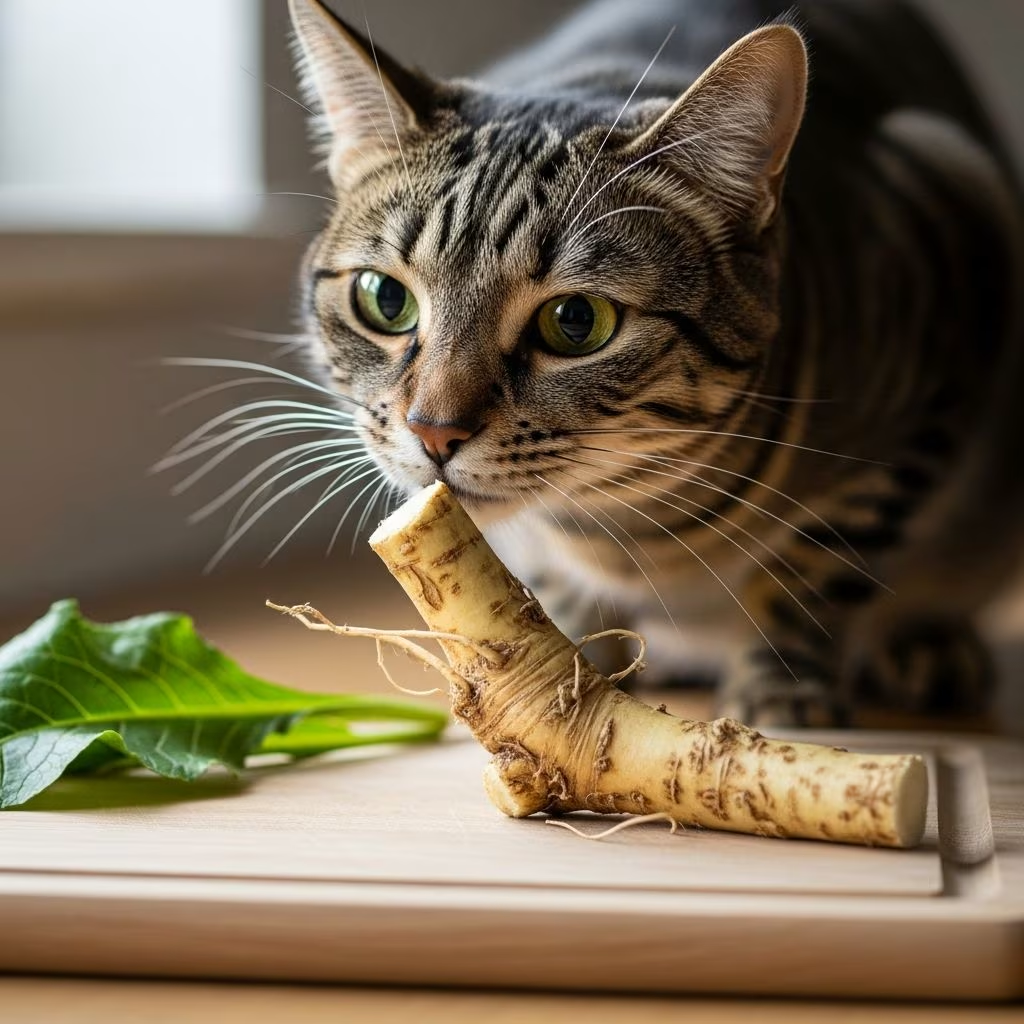
Horseradish, known for its pungent flavor and use as a condiment, poses risks for cats despite not being outright toxic. While small amounts may only cause temporary irritation, larger ingestions can lead to gastrointestinal distress, making it best to keep this root vegetable away from feline diets.
What Is Horseradish?
Horseradish (Armoracia rusticana) is a perennial plant in the Brassicaceae family, cultivated for its large, white root used as a spicy condiment. The root contains glucosinolates that, when crushed, release allyl isothiocyanate, creating its signature heat. This compound irritates mucous membranes, similar to mustard or wasabi.
Commonly grated into sauces, spreads, or used medicinally, horseradish appears in dishes like roast beef or cocktail sauce. For humans, it’s low-calorie and nutrient-dense, but cats, as obligate carnivores, derive no nutritional value from it.
Human Nutritional Benefits of Horseradish
While irrelevant for cats, understanding horseradish’s appeal to humans highlights why cats might encounter it. Key benefits include:
- Respiratory relief: Its pungency clears sinuses, aiding colds by opening nasal passages.
- Antibacterial properties: Effective against E. coli, Salmonella, and H. pylori, supporting gut health in moderation.
- Antioxidant effects: Activates enzymes fighting cancer and neutralizes free radicals.
- Nutrient profile: Provides vitamin C, minerals like potassium, and glucosinolates with anti-inflammatory potential.
However, even for humans, excess causes stomach upset due to mustard oil.
What Do Cats Eat?
Cats are obligate carnivores requiring diets high in animal protein, taurine, and specific fatty acids. Commercial cat foods or vet-approved homemade recipes provide balanced nutrition with essential nutrients like arachidonic acid, absent in plants.
Veggies like horseradish offer no benefits and can disrupt digestion. Stick to cat-specific foods to prevent deficiencies in vitamins A, D, E, and B12.
Problems with Feeding Horseradish to Cats
Horseradish’s irritants make it unsuitable for cats:
- Mouth and throat irritation: Spicy compounds burn sensitive tissues, causing drooling, pawing at face, and excessive salivation.
- Gastrointestinal upset: Vomiting, diarrhea, and tract inflammation from mustard oil.
- Potential allergies: Hives, itchiness, or breathing issues in sensitive cats.
- Thyroid concerns: May slow thyroid function, risky for hypothyroid cats.
The ASPCA lists horseradish as non-toxic but notes irritation risks. Unlike horses, where sinigrin converts to poisonous mustard oil causing colic, cats face milder but still uncomfortable effects.
Is Horseradish Toxic to Cats?
No, horseradish is not listed as toxic by the ASPCA, but it’s not safe. Mild toxicity arises from significant leaf or root ingestion, leading to oral/gut irritation rather than severe poisoning. Small tastes cause discomfort; larger amounts risk dehydration from diarrhea.
| Amount Ingested | Expected Effects | Action Needed |
|---|---|---|
| Tiny lick/taste | Drooling, face pawing, mild discomfort | Monitor at home |
| Small piece | Vomiting, diarrhea, irritation | Contact vet |
| Large amount | Severe GI distress, lethargy, allergy signs | Emergency vet visit |
What Happens if a Cat Eats Horseradish?
If your cat consumes horseradish:
- Immediate signs: Drooling, head shaking, pawing mouth/throat.
- Digestive symptoms: Vomiting (possibly bloody), diarrhea within hours.
- Allergic reactions: Swelling, hives, breathing difficulty—seek immediate care.
- Other risks: Dehydration, lethargy if prolonged.
Effects stem from isothiocyanates irritating linings, akin to spicy food in humans but worse for cats’ sensitive systems.
What to Do if Your Cat Eats Horseradish
Act quickly but calmly:
- Remove access: Prevent further ingestion.
- Observe: Watch for 24-48 hours for symptoms.
- Offer water: Encourage hydration to flush irritants.
- Do NOT induce vomiting without vet guidance.
- Call vet if: Persistent vomiting, blood, lethargy, or distress.
For small amounts, cats recover quickly; larger cases may need anti-nausea meds or fluids.
Can Cats Have Prepared Horseradish?
Prepared forms (sauces, wasabi) are worse due to additives like vinegar, salt, or mayo, exacerbating irritation. Avoid entirely—spicy potency deters most cats anyway.
Can Kittens Eat Horseradish?
No, kittens under 4 months face higher risks; their immature guts can’t handle irritants. Even small amounts cause severe upset.
Conclusion
Skip horseradish for cats—zero benefits, high discomfort risk. Prioritize meat-based diets. Most cats avoid it instinctively. Consult vets for treats; prevention beats cure.
Frequently Asked Questions
Is horseradish poisonous to cats?
Not poisonous per ASPCA, but irritates mouth, throat, and gut causing vomiting/diarrhea.
Will a little horseradish hurt my cat?
Small amounts cause temporary discomfort like drooling; monitor closely.
Why do cats paw at their face after eating horseradish?
Irritation from allyl isothiocyanate burns sensitive tissues.
Is horseradish sauce safe for cats?
No, additives worsen risks; plain root is bad enough.
What if my cat ate horseradish and is vomiting?
Contact vet immediately for supportive care.
References
- Can Cats Eat Horseradish? Vet-Reviewed Facts & Safety Guide — Hepper. 2023. https://articles.hepper.com/can-cats-eat-horseradish/
- Can my cat eat horseradish or is it bad for them? — Dialavet. 2024. https://www.dialavet.com/vet-answers/cat-eating-horseradish-safety-20679
- Horseradish: Health Benefits, Side Effects, Uses, Dose & Precautions — RxList (WebMD). 2024-01-15. https://www.rxlist.com/supplements/horseradish.htm
- Horseradish Isn’t for Horses and Other Ironies — Horse Network. 2022-03-01. https://horsenetwork.com/2022/03/horseradish-isnt-for-horses-and-other-ironies/
- Is Horseradish Poisonous – Toxic — PictureThisAI. 2024. https://www.picturethisai.com/toxic/Armoracia_rusticana.html



