

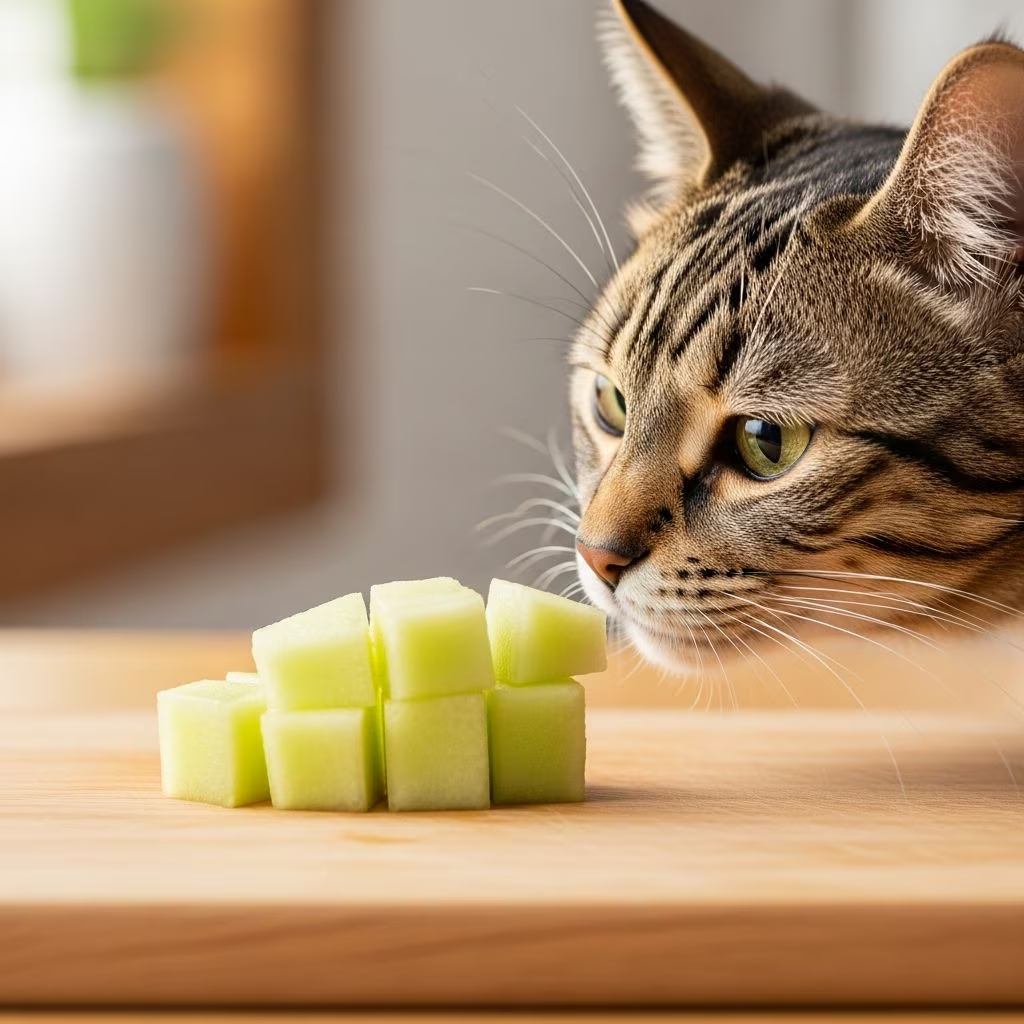
Cats are obligate carnivores, thriving primarily on meat-based nutrition, but they often show curiosity toward fruits like **honeydew**. The good news is that honeydew melon is safe and non-toxic for cats, as confirmed by the ASPCA, making it an occasional treat option.
What Is Honeydew? A Quick Overview
Honeydew melon, a member of the Cucumis melo species and close relative to cantaloupe, features a smooth, light-colored rind and sweet, light green flesh. Native to West Africa, it’s now cultivated worldwide, with top producers including countries like the United States, Mexico, and China. Unlike cantaloupe’s netted rind and orange interior, honeydew offers a juicier, milder sweetness, ranking as the third most popular melon globally after watermelon and cantaloupe.
Nutritionally, honeydew is about 90% water, packed with vitamins A, C, folate, potassium, and magnesium, plus fiber and antioxidants like polyphenols and flavonoids. Orange-fleshed varieties boast high beta-carotene levels, comparable to carrots.
Can Cats Eat Honeydew?
Yes, **cats can eat honeydew** safely in small amounts. The ASPCA lists it as non-toxic to cats, dogs, and even horses, with no inherent poisonous compounds in the flesh. As an occasional snack, it provides hydration and a refreshing texture that many cats enjoy, especially those on dry kibble diets prone to dehydration.
However, moderation is key—treats like honeydew should not exceed 10% of a cat’s daily caloric intake to avoid nutritional imbalances.
Benefits of Honeydew for Cats
While cats derive most nutrients from animal proteins, honeydew offers minor perks:
- High Moisture Content: At 90% water, it helps combat dehydration, ideal for cats ignoring water bowls.
- Vitamin C and Antioxidants: A small serving delivers vitamin C (about 3.82 mg per two tablespoons), aiding in fighting oxidative damage, neutralizing toxins, and reducing inflammation.
- Beta-Carotene in Orange Varieties: Supports vitamin A levels for eye health and immunity, though cats produce some vitamin A from liver.
- Fiber and Texture: Provides gentle digestive support and a fun, crunchy-chewy experience.
- Low-Calorie Treat: Sweet without excessive calories, satisfying curious felines.
These benefits are supplementary; honeydew isn’t a staple but enhances a balanced carnivorous diet.
Drawbacks and Risks of Feeding Honeydew to Cats
Honeydew isn’t perfect for cats due to their biology:
- Sugar Content: Natural sugars (fructose) are hard for cats to process, potentially leading to weight gain, diabetes, or gastrointestinal upset with excess intake.
- Rind and Seeds: Tough rind poses choking hazards or intestinal blockages; seeds are indigestible.
- Pesticides: Conventional honeydew ranks #39 on the Environmental Working Group’s 2024 Dirty Dozen list (actually low-residue), but organic is safer to minimize chemical exposure.
- Overfeeding: Too much can cause diarrhea from fiber and sugar overload.
- Allergies or Sensitivities: Rare, but monitor for vomiting, lethargy, or itching.
Cats lack enzymes to fully metabolize plant sugars, so limit to a few bites occasionally.
How to Safely Feed Honeydew to Your Cat
Follow these steps for safe sharing:
- Select Quality Melon: Choose ripe, organic honeydew for optimal sweetness and fewer pesticides. Avoid overripe or moldy fruit.
- Prepare Properly: Wash thoroughly, slice off rind, remove seeds, and cut flesh into small, bite-sized pieces (pea-sized for kittens/small cats) to prevent choking.
- Portion Control: Start with 1-2 small pieces (about 1 tsp for adults). Offer 1-2 times weekly, not daily.
- Serving Ideas:
- Fresh cubes as treats.
- Frozen pieces for cooling summer snacks.
- Grated as meal topper (tiny amounts).
- Monitor Reaction: Watch for 24 hours post-feeding. Discontinue if diarrhea, vomiting, or odd behavior occurs; consult a vet.
| Cat Weight | Recommended Portion | Frequency |
|---|---|---|
| Kitten (<6 months) | 1/4 tsp (1-2 tiny pieces) | Once weekly |
| Adult (6-12 lbs) | 1 tsp (3-5 pieces) | 1-2 times weekly |
| Large/Senior (>12 lbs) | 1-2 tsp | 1-2 times weekly |
Always prioritize vet-approved commercial foods or raw/fresh meat diets as the core nutrition.
Other Safe Fruits and Snacks for Cats
If your cat loves honeydew, try these vet-approved alternatives in moderation:
- Fruits: Seedless watermelon, cantaloupe (flesh only), blueberries, apples (no seeds/stem), bananas, mango.
- Vegetables: Cucumber slices, steamed carrots, pumpkin puree.
- Proteins: Cooked plain chicken, turkey, fish, eggs.
- Dairy (Limited): Hard cheese, lactose-free yogurt, goat milk.
Never Offer: Grapes/raisins, cherries (toxic, kidney damage), onions, garlic, chocolate.
To boost hydration: Freeze wet food or low-sodium broth in ice cube trays, add water fountains, or place multiple bowls away from litter/food.
Frequently Asked Questions (FAQs)
Is honeydew toxic to cats?
No, honeydew flesh is non-toxic per ASPCA. Rind/seeds are hazardous—remove them.
How much honeydew can I give my cat?
A few small bites (1 tsp max per session) 1-2 times weekly. Less for kittens.
Can kittens eat honeydew?
Yes, but tiny amounts after weaning. Consult vet for dental/GI development.
Does honeydew help with cat dehydration?
Yes, its 90% water content hydrates, especially for dry-food eaters.
What if my cat eats honeydew rind?
Monitor for choking/vomiting. Induce vomiting only if vet advises; seek immediate care for blockages.
Is organic honeydew better for cats?
Yes, reduces pesticide risk. Ranks low on EWG’s 2024 pesticide guide.
Final Thoughts on Cats and Honeydew
**Honeydew** makes a fun, hydrating treat for most cats when prepared safely and fed sparingly. Its moisture and mild sweetness appeal to adventurous eaters, but remember cats are carnivores—prioritize meat-based nutrition. Always observe your cat’s response and consult a veterinarian for personalized advice, especially for health conditions like diabetes. Sharing fruits mindfully keeps snack time safe and enjoyable!
References
- Can Pets Eat Honeydew? — Bark & Whiskers. 2024-08-01. https://www.barkandwhiskers.com/2024-08-01-can-pets-eat-honeydew/
- Can Cats Eat Honeydew? Vet-Reviewed Facts & FAQ — Catster. 2024. https://www.catster.com/nutrition/can-cats-eat-honeydew/
- 8 Fruits That Cats Can Eat — Kinship. 2024. https://www.kinship.com/cat-nutrition/what-fruits-can-cats-eat
- Honeydew Melon – Toxic and Non-toxic Plants — ASPCA. Accessed 2026. https://www.aspca.org/pet-care/aspca-poison-control/toxic-and-non-toxic-plants/honeydew-melon



