

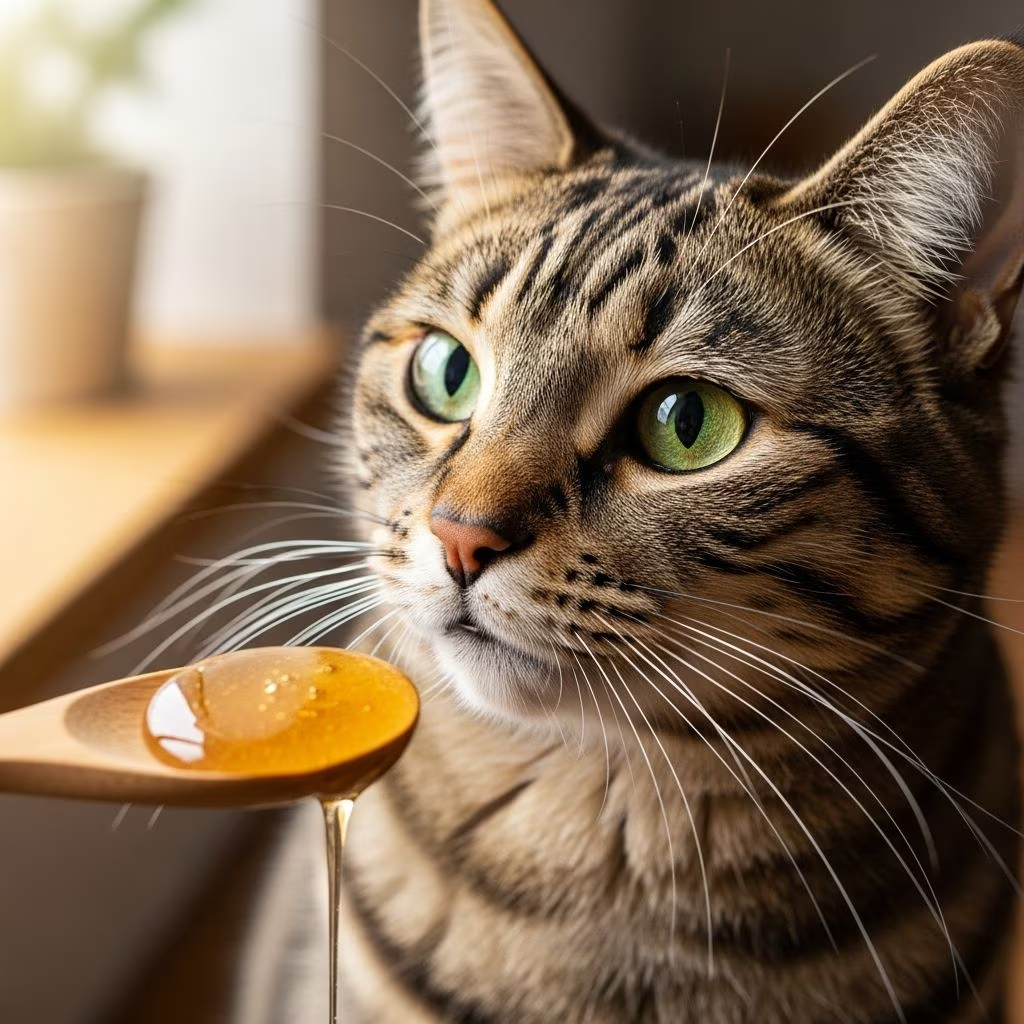
Honey is a natural sweetener cherished by humans for its flavor and potential health benefits, but can cats eat honey? While honey is not toxic to cats, veterinary experts strongly advise against feeding it regularly due to its high sugar content and associated health risks. Cats are obligate carnivores, meaning their diet should primarily consist of meat-based proteins, not carbohydrates like those abundant in honey. A small accidental lick may not cause immediate harm, but intentional feeding can lead to digestive issues, weight gain, and more serious conditions. This comprehensive guide explores the nutritional profile of honey, its effects on felines, potential benefits, significant drawbacks, and safer alternatives to keep your cat healthy and happy.
The Nutritional Hazards of Honey for Cats
Honey consists primarily of sugars—about 80% carbohydrates, including fructose and glucose—with 18% water and only 2% proteins, vitamins, and minerals. Cats lack the enzyme glucokinase in their liver, which humans use to efficiently break down these sugars. As a result, even small amounts can overwhelm their digestive system, leading to gagging, regurgitation, vomiting, or diarrhea.
Additionally, honey’s calorie density poses a threat to weight management. Indoor, neutered cats have moderate caloric needs, and regular honey consumption—even a teaspoon—provides excess energy that promotes gradual obesity. This surplus can also contribute to dental decay and increase diabetes risk, as cats cannot tolerate sustained high blood sugar levels like humans. Diabetic cats face even greater dangers, with honey potentially spiking glucose levels dangerously high.
Is Honey Safe for Cats?
Honey is not outright poisonous, so a tiny lick from a counter won’t typically send your cat to the vet. However, safety depends on factors like age, health status, and quantity. Adult cats with robust immune systems might tolerate trace amounts without issue, but it’s far from ideal. Cats also cannot taste sweetness due to a genetic mutation in their sweet taste receptors, so they don’t enjoy honey as a treat anyway.
- High sugar overload: Causes immediate GI distress and long-term metabolic issues.
- Caloric excess: Leads to obesity in sedentary cats.
- No nutritional synergy: Lacks essential taurine and omega-3s cats need for health.
Honey and Kittens: A Dangerous Combination
Kittens under one year should never consume honey. Like human infants, their immature digestive and immune systems cannot combat bacterial spores like Clostridium botulinum, which can cause botulism. This rare but life-threatening illness manifests as lethargy, weakness, vomiting, diarrhea, loss of appetite, depression, dehydration, and potentially paralysis. Symptoms require immediate veterinary intervention, including supportive care and antitoxins.
If your kitten ingests honey and shows any concerning signs, contact your vet or an emergency clinic promptly. Prevention is key—store honey securely out of reach.
Potential Benefits of Honey for Cats: Fact or Fiction?
Proponents tout honey’s antibacterial properties, antioxidants (amino acids, B vitamins), and wound-healing potential, especially in raw or Manuka varieties. In theory, topical application might aid minor wounds, but oral consumption offers negligible benefits for cats. Honey lacks taurine—vital for feline heart and eye health—and omega-3 fatty acids crucial for cellular repair.
Some owners anecdotally use honey for sore throats or allergies, but evidence is lacking. Veterinary consensus prioritizes proven treatments over unverified sweeteners. The thick texture also smears on fur, particularly troublesome for flat-faced breeds like Persians, complicating grooming.
| Claimed Benefit | Reality for Cats |
|---|---|
| Antibacterial/Antioxidant | Limited oral efficacy; better alternatives exist |
| Wound Healing | Topical only; consult vet for proper care |
| Energy Boost | Excess sugar harms more than helps |
| Allergy Relief | Unproven; high sugar worsens inflammation |
Types of Honey: Are Any Cat-Friendly?
All honey types carry risks, but some are marginally better:
- Raw Honey: Retains enzymes and pollen but highest botulism risk.
- Manuka Honey: Potent antibacterial qualities; tiny amounts might be vet-approved for adults, but sugar content remains problematic.
- Pasteurized/Processed: Lower spore risk but stripped of beneficial compounds; still sugar-heavy.
- Creamed Honey: No improvement—same caloric issues.
Regardless, no variety justifies routine feeding. Consult your vet before any experimentation.
Health Risks Beyond Digestion
- Obesity and Diabetes: Chronic sugar exposure elevates insulin spikes and fat accumulation.
- Dental Issues: Sticky sugars promote plaque and tartar.
- Allergic Reactions: Rare, but pollen in raw honey may trigger itching or swelling.
- Compromised Immunity: Risky for seniors or immunocompromised cats.
Honey isn’t used in commercial cat foods due to these concerns, as it offers no unique value over meat-based formulas.
What Should You Do If Your Cat Eats Honey?
Monitor for symptoms like vomiting, diarrhea, lethargy, or weakness, especially in kittens. A small amount in a healthy adult may pass uneventfully, but contact your vet if issues arise. Provide fresh water and withhold food briefly to settle the stomach. For botulism suspicions, seek emergency care—early treatment improves outcomes.
Healthier Alternatives to Honey for Cats
Skip honey and opt for cat-safe treats that align with their carnivorous needs:
- Commercial Cat Treats: Low-carb, meat-based options like freeze-dried chicken or fish.
- Plain Cooked Meats: Turkey, chicken (unseasoned, boneless).
- Veggies: Small bits of cooked pumpkin or green beans for fiber (in moderation).
- Fish Oils: For omega-3 benefits without sugar.
- Hydration Boosters: Catnip or tuna water for fun without calories.
Always prioritize vet-recommended, AAFCO-approved foods to meet nutritional standards.
Frequently Asked Questions (FAQs)
Is it OK for cats to eat honey?
No, cats shouldn’t eat honey due to its high sugar content causing weight gain, digestive upset, and no nutritional benefits for obligate carnivores.
Can cats get sick from eating honey?
Yes, it can cause mild stomach upset; in kittens, botulism is a rare but serious risk.
Why can’t cats taste honey?
Cats lack functional sweet taste receptors, preferring meaty flavors over sweets.
Is raw honey safe for cats?
No safer than processed—both high in sugar with raw posing extra botulism risks.
Can honey help my cat’s allergies or cough?
Unproven and risky; consult a vet for appropriate treatments.
How much honey can a cat have?
None regularly; occasional tiny licks at most, but avoid entirely.
References
- Can Your Cat Eat Honey? The Benefits and Drawbacks — Kinship. 2023. https://www.kinship.com/cat-nutrition/can-a-cat-have-honey
- Can Cats Eat Honey? — Cats.com. 2024. https://cats.com/can-cats-eat-honey
- Can cats eat honey? — BetterPet. 2024. https://www.betterpet.com/learn/can-cats-eat-honey
- An antioxidant boost or a sweet poison—can cats eat honey? — Untamed. 2024. https://untamed.com/blogs/nutrition/can-cats-eat-honey
- Can Cats Eat Honey? — My Pet Sensitivity. 2023. https://mypetsensitivity.com/blogs/news/can-cats-eat-honey
- Can Cats Have Honey? Health Risks, Myths, and What to Do Instead — Fully Healthy. 2024. https://fullyhealthy.com/blogs/news/can-cats-have-honey
- Can cats eat honey? — TrustedHousesitters. 2023. https://www.trustedhousesitters.com/blog/pets/can-cats-eat-honey/



