

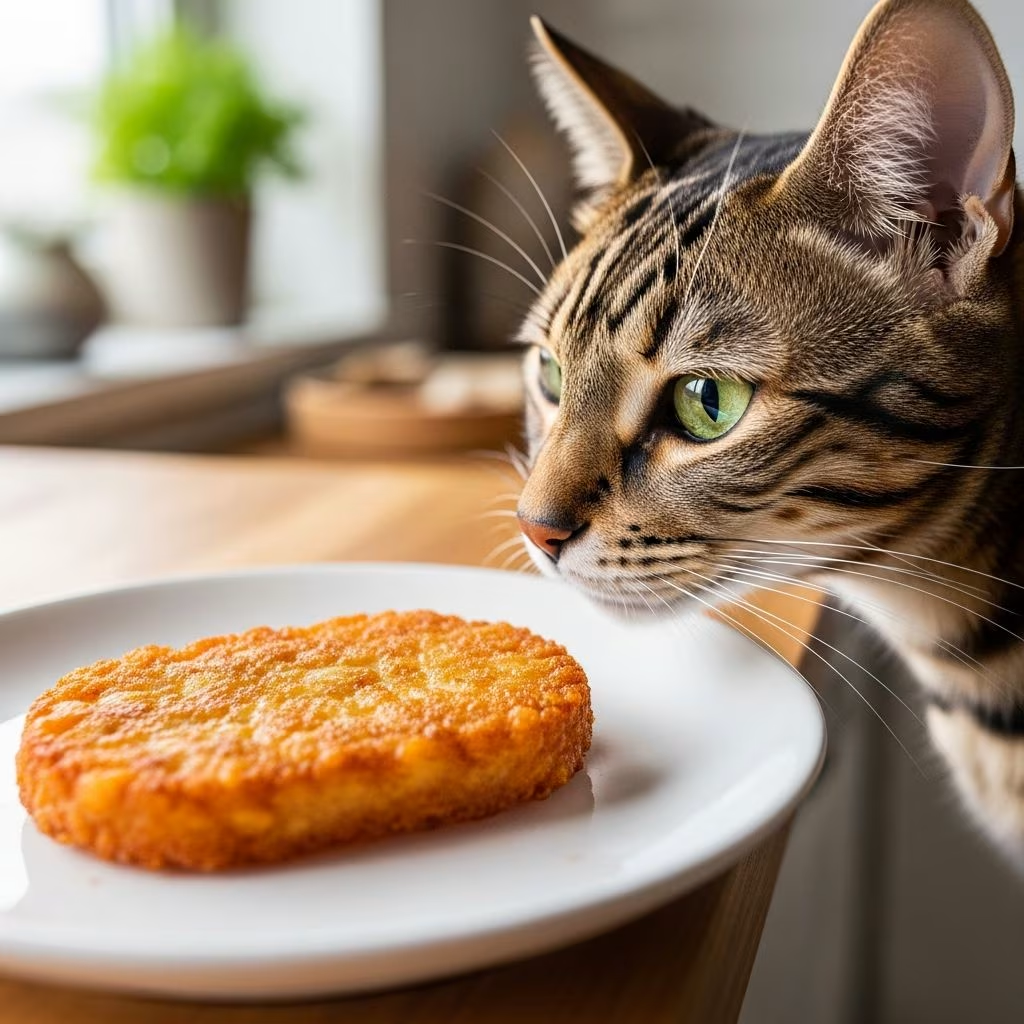
Can Cats Eat Hash Browns?
As pet owners, we naturally want to share our meals with our beloved feline companions. However, what seems like a harmless treat from your breakfast plate can actually pose health risks to your cat. The straightforward answer is: cats shouldn’t eat hash browns, though a small nibble occasionally won’t necessarily require an emergency veterinary visit. If your cat happens to sneak a few bites from your plate, they might experience gastrointestinal distress, but serious harm from a small taste is unlikely.
Understanding Hash Brown Ingredients
Hash browns are a breakfast staple for many people, but their preparation makes them unsuitable for cats. These crispy potato-based treats are typically fried in butter or oil and heavily seasoned with salt and various seasonings. Each of these components presents specific challenges for your feline friend’s digestive system.
The Oil Problem
The oils used to fry hash browns are one of the primary concerns. Cats have sensitive digestive systems that aren’t equipped to handle the high fat content found in fried foods. When cats consume foods cooked in excess oil, it can irritate their gastrointestinal tract, leading to uncomfortable digestive upset.
Salt and Sodium Poisoning
Excessive salt intake poses a serious threat to cats. The generous salt coating on hash browns can lead to sodium poisoning, also known as hypernatremia, which is a severe condition in felines. Symptoms of sodium poisoning in cats include vomiting, diarrhea, lethargy, decreased appetite, excessive thirst, and in severe cases, seizures and neurological complications.
Hidden Seasonings and Additives
Many hash brown recipes include additional seasonings like garlic powder, onion powder, or other flavor enhancers. Some restaurants and home cooks also add paprika, black pepper, or other spices. These ingredients can cause mild to moderate digestive upset in cats.
Can Cats Eat Plain Potatoes?
Cats can eat plain, well-cooked potatoes, but they don’t nutritionally need them. A cat can live a perfectly healthy life without ever consuming a single potato. The key consideration with potatoes is how they’re prepared.
Plain Cooked Potatoes
If you want to give your cat a taste of potato, ensure it’s plain and fully cooked. Remove the skin completely, as potato skins contain solanine, a toxic compound harmful to cats. Mashed potatoes without butter, gravy, or seasonings can be given in small amounts, though they offer minimal nutritional benefit. Plain boiled or baked potatoes pose no inherent danger if properly prepared.
Raw Potatoes Are Dangerous
Never feed your cat raw potatoes under any circumstances. Raw potatoes contain solanine, a toxic alkaloid that can cause serious health problems in felines. Symptoms of solanine poisoning include vomiting, diarrhea, lethargy, tremors, and potentially more severe complications. If your cat consumes raw potatoes or potato peel, contact your veterinarian immediately.
Sweet Potatoes Are a Better Alternative
Unlike regular potatoes, sweet potatoes don’t contain solanine and are considered non-toxic to cats. However, they’re still carb-heavy and provide minimal nutritional value for your feline friend. If you offer sweet potato as an occasional treat, ensure it’s plain, cooked, and served in small portions only.
The Dairy Problem in Hash Browns
Cats cannot eat dairy products, yet this fact surprises many cat owners. The popular phrase “give the cat a bowl of cream” has perpetuated a dangerous myth about feline nutrition. Virtually all cats are lactose intolerant, meaning they lack sufficient lactase enzymes to properly digest milk and dairy products.
When cats consume dairy, they experience gas, bloating, diarrhea, and other unpleasant gastrointestinal symptoms. The irony is that cats often eat dairy anyway because it’s loaded with attractive fat content. Your cat might eagerly scarf down buttery hash browns, only to suffer with copious gas and belly aches afterward. The temporary enjoyment isn’t worth the digestive distress that follows.
Foods That Are Toxic to Cats
Beyond the issues with hash browns specifically, there are numerous foods you should never feed your cat under any circumstances. Some pose greater dangers than others, but all should be strictly avoided.
Onions and Garlic
Onions, leeks, and garlic are toxic to cats, including powdered versions used as seasonings. The Pet Poison Helpline specifically warns against household onion and garlic powder. These ingredients damage cats’ red blood cells, reducing their ability to transport oxygen throughout the bloodstream. Common signs of toxicity include extreme lethargy, pale gums, and elevated heart rate. Symptoms typically appear within a few days of consumption.
Chocolate
Chocolate poses the same danger to cats as it does to dogs. The cocoa in chocolate contains methylxanthines, compounds that are toxic to felines. Eating chocolate can cause vomiting, diarrhea, abnormally high heart rate (tachycardia), muscle tremors, and other serious symptoms.
The level of danger depends on the chocolate type. White chocolate presents the least risk, milk chocolate is moderately dangerous, and dark chocolate is the most toxic due to higher cocoa concentration. Regardless of type, never risk giving your cat even the smallest piece of chocolate.
Other Hazardous Foods
Additional foods to avoid include:
- Xylitol (artificial sweetener found in sugar-free products)
- Grapes and raisins
- Avocado
- Fatty meats and trimmings
- Raw eggs
- Caffeine and coffee
- Alcohol and yeast dough
What Should Cats Actually Eat?
Understanding what cats shouldn’t eat is only half the equation. Knowing what constitutes an ideal feline diet is equally important for maintaining your cat’s health and longevity.
Essential Nutrients for Cats
Cats have unique nutritional requirements that differ significantly from humans and even from dogs. They need substantial amounts of:
- Vitamin A: Cats cannot convert beta-carotene from plant sources into usable vitamin A like humans can
- Protein: Cats are obligate carnivores requiring high-quality animal protein
- Niacin: An essential B vitamin critical for feline metabolism
- Vitamin D: Cats require animal-derived vitamin D, unlike dogs who can utilize plant-based sources
- Taurine: An amino acid essential for heart health, vision, and immune function in cats
- Arginine: Another amino acid that helps maintain healthy blood ammonia levels
The Carbohydrate Question
Cats should consume very little in the way of carbohydrates. Hash browns, being primarily potato-based, contain carbohydrates in abundance—exactly what cats don’t need. While cats do require glucose for survival (glucose being, by definition, a carbohydrate), the complex starches found in potatoes and pasta are essentially useless to a cat’s streamlined physiology. Cats evolved as strict meat-eaters, and their digestive systems aren’t designed to process significant amounts of plant-based carbohydrates.
Commercial Cat Food Advantages
High-quality commercial cat foods are specifically formulated to meet all of your cat’s nutritional requirements. These foods contain the proper balance of protein, essential amino acids, vitamins, and minerals that cats need to thrive. By feeding your cat a standard cat food diet, you ensure they receive complete nutrition without the guesswork.
What to Do If Your Cat Eats Hash Browns
If your cat has already consumed hash browns, don’t panic. A small bite or two is unlikely to cause serious harm, though monitoring is important.
Immediate Steps
- Observe your cat closely for signs of digestive distress
- Watch for vomiting, diarrhea, or unusual lethargy
- Note if your cat displays decreased appetite or excessive thirst
- Monitor bathroom habits for changes in frequency or consistency
When to Contact a Veterinarian
Consult your veterinarian if your cat exhibits persistent symptoms lasting more than a few hours, shows signs of severe distress, or if you’re concerned about the amount consumed. If your cat ate hash browns containing onions or garlic, contact your vet regardless of symptoms, as these ingredients are genuinely toxic and require professional evaluation.
Most cases of mild digestive upset from a small hash brown nibble resolve quickly without intervention. However, when in doubt, it’s always better to seek professional guidance.
Frequently Asked Questions
Q: Can cats eat hash browns in any form?
A: No, cats shouldn’t eat hash browns whether they’re fried, baked, or air-fried. All preparation methods involve oils, salt, and often seasonings that are problematic for feline digestion.
Q: What if my cat only ate a tiny piece?
A: A very small nibble is unlikely to cause serious harm, but you should still monitor your cat for signs of gastrointestinal distress like vomiting, diarrhea, or lethargy. Contact your vet if symptoms develop.
Q: Are frozen hash browns safer than fresh ones?
A: No, frozen hash browns pose the same risks as fresh ones. They’re still high in salt and often contain oils and seasonings once cooked. The freezing process doesn’t make them appropriate for cats.
Q: Can kittens eat hash browns?
A: No, kittens are even more vulnerable to the effects of salt, fat, and seasonings than adult cats. Their developing digestive systems are particularly sensitive, making hash browns especially inappropriate for young cats.
Q: What are some safe alternatives to treat my cat?
A: Safe cat treats include plain cooked chicken, turkey, salmon, or commercially-formulated cat treats designed for feline nutrition. Always consult your vet before introducing new foods.
Q: Why does my cat want to eat my hash browns if they’re bad?
A: Cats are attracted to the fat and smell of hash browns, not because they’re nutritionally appropriate. Just because a cat wants to eat something doesn’t mean it’s safe for them to consume.
Q: How much salt is dangerous for cats?
A: Cats require very little salt in their diet. The amount in even a few hash brown pieces can be excessive, potentially causing sodium poisoning with symptoms including vomiting, diarrhea, lethargy, and in severe cases, seizures.
Conclusion
Hash browns are an enjoyable human breakfast food, but they’re simply not appropriate for cats. The combination of fried oils, excessive salt, and potential seasonings creates an environment for digestive upset in your feline friend. While a stolen bite or two won’t typically require an emergency veterinary visit, they offer zero nutritional benefit and carry unnecessary health risks.
Cats get all the nutrition they need from a standard, high-quality cat food diet formulated specifically for their unique physiological requirements. Rather than sharing your breakfast hash browns, offer your cat appropriate feline treats or simply keep them away from your plate. Your cat will be healthier for it, and you’ll have the peace of mind knowing you’re making nutritionally sound choices for your beloved pet.
References
- Can Cats Eat Hash Browns? Vet-Reviewed Facts & FAQ — Catster. 2024. https://www.catster.com/nutrition/can-cats-eat-hash-browns/
- Can a cat eat hash browns without getting sick? — Dial A Vet. 2024. https://www.dialavet.com/vet-answers/cat-ate-hash-brown-concerns-15405
- Can Cats Eat Potatoes? 4 Things to Know Before Feeding — A-Z Animals. 2024. https://a-z-animals.com/blog/can-cats-eat-potatoes-things-to-know-before-feeding/
- Can Cats Eat Potatoes? A Guide to Safety — Purina US. 2024. https://www.purina.com/articles/cat/feeding/can-cats-eat/potatoes
- Can Cats Eat Potatoes? — PetMD. 2024. https://www.petmd.com/cat/nutrition/can-cats-eat-potatoes



