

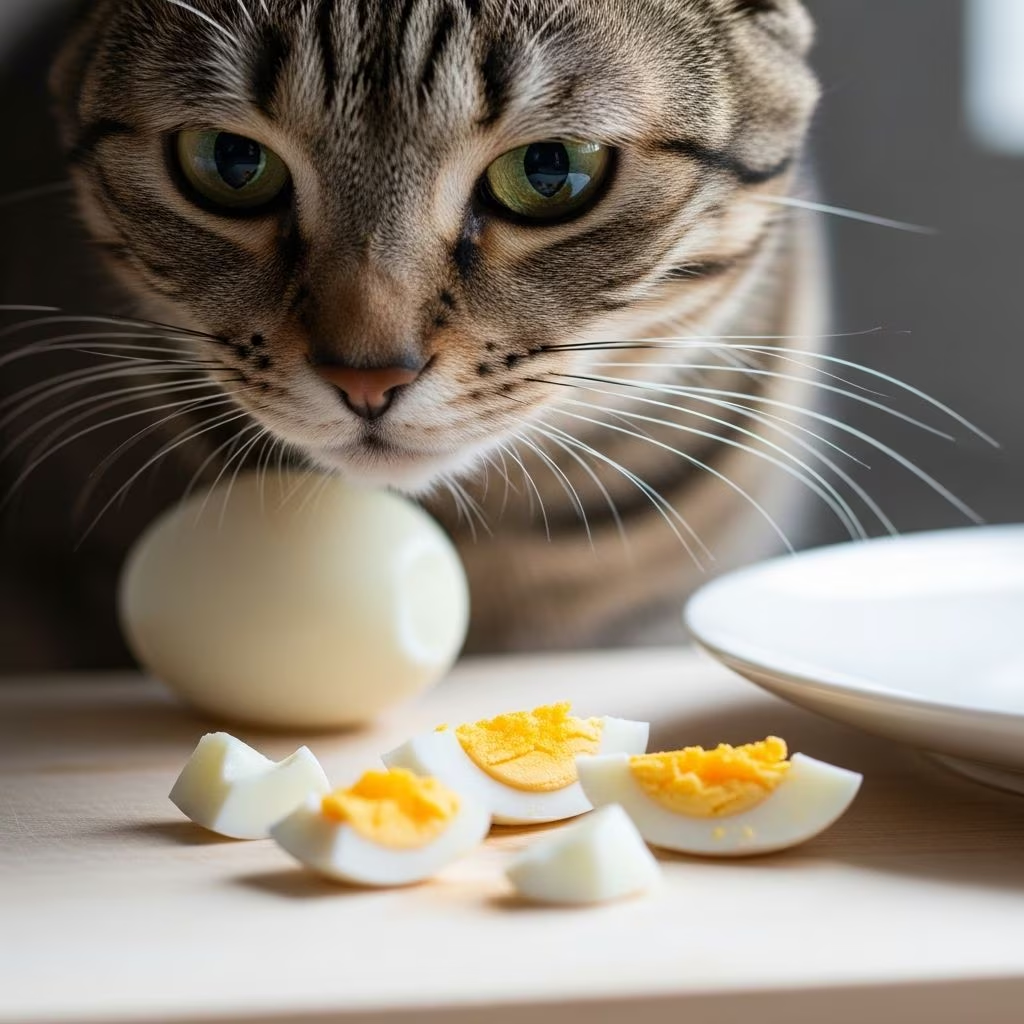
Can Cats Eat Hard-Boiled Eggs? A Complete Guide
Many cat owners wonder whether they can share their favorite foods with their feline companions. Hard-boiled eggs are a common breakfast staple for humans, but the question remains: are they safe for cats? The good news is that yes, cats can safely eat hard-boiled eggs, provided they are prepared correctly and served in moderation. Understanding how to properly introduce eggs into your cat’s diet ensures your pet enjoys this nutritious treat without any health complications.
Are Hard-Boiled Eggs Good For Cats?
Hard-boiled eggs offer numerous nutritional benefits for cats. Eggs serve as an excellent source of high-quality protein, which is essential for feline health. According to the ASPCA, cats are “obligate carnivores,” meaning their diet must consist primarily of meat and animal-based proteins. Since cats are natural meat-eaters, they thrive on diets rich in protein.
Beyond protein, eggs contain valuable nutrients that support your cat’s overall wellness:
- Protein content: A single medium egg provides approximately 6 grams of protein, which supports muscle development and maintenance
- Essential vitamins: Eggs contain vitamins A, B6, B12, D, and E, which contribute to immune system function and overall health
- Minerals: Iron, zinc, selenium, and calcium found in eggs support various bodily functions
- Omega-3 fatty acids: These support heart and brain health in cats
- Amino acids: These are critical building blocks for protein synthesis in your cat’s body
It’s important to note that cats don’t process carbohydrates efficiently, so their calories should come primarily from protein sources like eggs. This makes eggs an ideal occasional treat for your feline friend.
Do Eggs Need to Be Hard-Boiled?
While hard-boiled eggs are convenient and easy to prepare, they are not the only way to serve eggs to your cat. In fact, gently cooked eggs may offer additional nutritional advantages. The protein found in lightly cooked egg whites is more digestible than in hard-boiled eggs, and a runny yolk provides enhanced nutritional value.
However, if you choose to serve eggs that are not fully cooked, it’s crucial to use in-shell pasteurized eggs. This precaution helps avoid potential bacterial contamination issues, such as Salmonella or E. coli, which can pose serious health risks to your cat.
Hard-boiled eggs remain a practical choice for most cat owners because they are easier to prepare, portion, and serve as consistent snacks. Additionally, the cooking process fully eliminates any risk of bacterial contamination.
How Should Eggs for My Cat Be Prepared?
Proper preparation is essential when serving eggs to your cat. Following these guidelines ensures your pet receives a safe and nutritious treat:
Cooking Method
Eggs must be either in-shell pasteurized or fully cooked before serving to your cat. This eliminates harmful bacteria and ensures safety. Hard-boiled eggs are an excellent option because they are fully cooked and shelf-stable.
Remove All Shells
Always remove the entire eggshell before serving. However, the thin eggshell membrane that sometimes remains attached to the egg is perfectly safe and actually beneficial. This membrane serves as a great source of glucosamine, which supports joint health in cats.
Keep Eggs Simple and Unseasoned
Never add seasonings, butter, oil, salt, cheese, or any other toppings to eggs intended for your cat. Many seasonings popular in human cuisine can cause digestive upset or even toxicity in felines. For example, onion and garlic are toxic to cats and should always be avoided. For this reason, hard-boiled eggs are often the best choice—they require no additional ingredients.
Cut Into Appropriate Sizes
The easiest way to serve an egg is to cut it in half or quarter it, then chop or cut that portion into small pieces that your cat can safely chew and swallow. This prevents choking hazards and makes digestion easier for your pet.
Portion Control and Feeding Frequency
While eggs are nutritious, they are calorie-dense. One large hard-boiled egg contains approximately 78 calories. For perspective, a typical adult cat requires between 200 to 250 calories per day, depending on size, age, and activity level.
To maintain your cat’s healthy weight and prevent obesity, follow these guidelines:
- Feed eggs only two to three times per week
- Serve eggs as treats, not as a meal replacement
- Limit portions to small amounts—typically a teaspoon or two of cooked egg is sufficient for most cats
- Ensure eggs make up no more than 10% of your cat’s total daily caloric intake
- Monitor your cat’s weight regularly
Certain cat breeds, such as Maine Coons and Persians, which are prone to obesity, should receive eggs even more sparingly. If you’re unsure about the appropriate portion size for your specific cat, consult with your veterinarian. They can provide personalized recommendations based on your cat’s age, weight, health status, and dietary needs.
Considerations for Egg Yolks and Whites
When preparing eggs for your cat, you may wonder whether to include both the yolk and white or just one component. While cats can safely consume both parts of the egg, there are some nutritional considerations to keep in mind.
Eggs containing yolks have increased fat content, which raises the overall calorie count and increases the risk of obesity in cats. Additionally, fatty meals can cause gastrointestinal upset and potentially lead to pancreatitis, a serious condition affecting the pancreas.
For cats that need to watch their weight or those prone to digestive issues, serving only the egg white is a safer option. Egg whites contain almost no fat and provide high-quality protein without the added caloric burden. This approach allows your cat to benefit from the protein while minimizing health risks.
Can Kittens Eat Hard-Boiled Eggs?
Eggs are just as safe for kittens as they are for fully-grown adult cats, so yes, kittens can enjoy this treat. However, kittens have different nutritional requirements than adult cats. Growing kittens need significantly fewer calories than adult cats to support their development without overfeeding.
Follow these guidelines when feeding eggs to kittens:
- Give eggs in much smaller quantities than you would for adult cats
- Cook eggs thoroughly and remove all shell pieces
- Break up any pieces of shell membrane into tiny pieces
- Chop the eggs into very small pieces to prevent choking hazards
- Ensure kittens receive most of their calories from a complete and balanced kitten formula diet
- Treat eggs as add-ons or supplemental high-protein treats, not as a dietary staple
As with adult cats, always monitor your kitten for any adverse reactions after introducing eggs, such as diarrhea, vomiting, or itching. If your kitten shows any signs of digestive upset, discontinue eggs and consult your veterinarian.
Health Considerations and Risks
While eggs are generally safe for healthy cats, certain health conditions warrant caution. Cats with underlying kidney problems or kidney disease should avoid eggs due to their high protein content, which can be difficult for compromised kidneys to process. If your cat has been diagnosed with kidney disease, consult your veterinarian before introducing eggs to their diet.
Additionally, raw eggs pose significant health risks and should never be fed to cats. Raw eggs can carry Salmonella or E. coli infections and may increase the risk of biotin deficiency from consuming raw egg whites. Always ensure eggs are fully cooked before serving.
What If My Cat Doesn’t Like Hard-Boiled Eggs?
Cats are notoriously picky eaters, and not every feline will enjoy eggs. If your cat turns up their nose at the hard-boiled egg you’ve prepared, there’s no need for concern. Eggs are certainly not essential for your cat’s health and well-being.
As long as you provide your cat with a complete and balanced diet that meets all their nutritional requirements, they will thrive perfectly well without eggs. Many cats prefer other protein-based treats or may simply not enjoy the taste or texture of eggs. Every cat has unique preferences, and that’s completely normal.
Frequently Asked Questions (FAQs)
Q: Can cats eat raw eggs?
A: No, cats should not eat raw eggs. Raw eggs carry risks of Salmonella infection, E. coli infection, and potential biotin deficiency. Always ensure eggs are fully cooked before serving to your cat.
Q: How often can I feed my cat eggs?
A: Eggs should be given only two to three times per week in small portions. They should never replace regular cat food and should make up no more than 10% of your cat’s daily caloric intake.
Q: Can cats eat scrambled eggs?
A: Yes, cats can eat plain scrambled eggs. However, avoid adding butter, oil, salt, cheese, or seasonings, as these can cause digestive upset or toxicity.
Q: Are egg yolks safe for cats?
A: While egg yolks are safe, they contain more fat and calories than egg whites. For weight-conscious cats or those prone to digestive issues, egg whites alone are a better option.
Q: Can senior cats eat hard-boiled eggs?
A: Yes, senior cats can eat hard-boiled eggs as long as they don’t have kidney disease or other health conditions. Always consult your veterinarian before making dietary changes for senior cats.
Q: What should I do if my cat has an allergic reaction to eggs?
A: If your cat shows signs of allergic reaction such as vomiting, diarrhea, itching, or difficulty breathing, stop feeding eggs immediately and contact your veterinarian right away.
Summary: Making Eggs a Safe Treat for Your Cat
In conclusion, hard-boiled eggs are perfectly safe for cats to consume when properly prepared and served appropriately. Eggs provide excellent nutrition, including high-quality protein, essential vitamins, minerals, and beneficial fatty acids that support your cat’s overall health and well-being.
To safely incorporate hard-boiled eggs into your cat’s diet, remember these key points: ensure eggs are fully cooked, remove all shell pieces, serve them plain without seasonings or additives, cut them into small pieces, and feed them only two to three times per week in small portions. Always consult with your veterinarian before making significant changes to your cat’s diet, especially if your cat has existing health conditions.
With proper preparation and moderation, hard-boiled eggs can be a delicious and nutritious occasional treat that your feline friend may enjoy. While the process requires attention to detail, the protein and nutritional benefits make it worthwhile for cat owners seeking to provide their pets with healthy, varied nutrition within a balanced diet.
References
- Can Cats Eat Hard-Boiled Eggs? Vet-Verified Nutrition Facts & FAQ — Catster. https://www.catster.com/nutrition/can-cats-eat-hard-boiled-eggs/
- Can Cats Eat Eggs? — PetMD. https://www.petmd.com/cat/nutrition/can-cats-eat-eggs
- Can Cats Eat Eggs? — Chewy. https://www.chewy.com/education/cat/food-and-nutrition/can-cats-eat-eggs
- Can Cats Eat Eggs? Complete Nutrition Facts and Guidelines — Noble Vet Clinic. https://noblevetclinic.com/blog/can-cats-eat-eggs



