

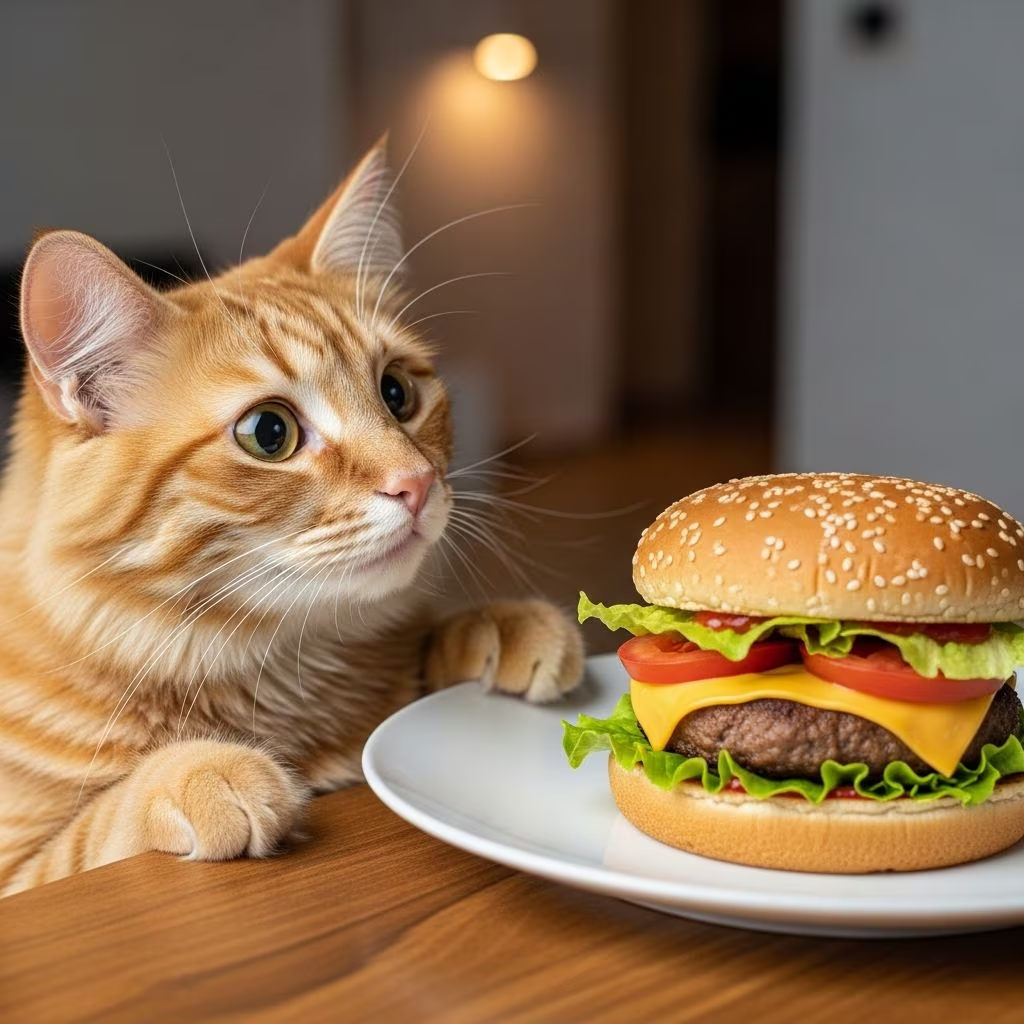
Cats are obligate carnivores with specific dietary needs, and while plain lean beef from hamburgers can be an occasional treat, most burgers pose serious risks due to toxic ingredients, high fat, and poor nutritional balance.
The Short Answer
Plain, cooked lean ground beef is safe for cats in small amounts as an occasional treat, but typical hamburgers with seasonings, onions, garlic, buns, cheese, or condiments are unsafe and potentially toxic.
Key Takeaways on Cats and Hamburgers
- Obligate Carnivores: Cats require animal-based proteins like beef, but burgers often lack balance and include harmful additives.
- Toxic Risks: Onions and garlic cause hemolytic anemia; high fat leads to pancreatitis.
- Safe Option: Only unseasoned, lean, cooked beef patty pieces, no more than 10% of daily calories.
- Better Alternatives: Commercial cat treats or plain cooked chicken/turkey.
Why Are Cats Interested in Hamburgers?
Cats’ keen sense of smell draws them to the aroma of grilling meat, mimicking their wild hunting instincts for protein-rich prey. However, human burgers are formulated for palates far different from a cat’s, loaded with salt, spices, and fillers that can harm feline digestion and long-term health.
Domestic cats retain the biology of small wildcats, thriving on high-protein, low-carb diets. Sharing people food like burgers tempts owners but ignores these needs, potentially leading to begging behaviors without nutritional payoff.
Understanding Hamburger Ingredients and Cat Safety
Standard hamburgers include beef patty, bun, cheese, condiments, and toppings—most hazardous for cats:
- Beef Patty: Lean, plain cooked beef provides protein but fatty versions risk obesity and digestive upset.
- Bun: Wheat-based carbs offer empty calories; cats derive no benefit and may face gluten sensitivities.
- Cheese: Lactose-intolerant cats suffer diarrhea from dairy; even low-lactose cheese adds unnecessary fat.
- Condiments (Ketchup, Mustard): Sugar, vinegar, garlic/onion powders irritate stomachs and cause toxicity.
- Toppings (Onions, Garlic): Contain N-propyl disulfide, damaging red blood cells.
| Ingredient | Safe for Cats? | Risks |
|---|---|---|
| Plain Lean Beef | Yes (occasional) | Minimal if small portions |
| Fatty Beef | No | Pancreatitis, obesity |
| Onions/Garlic | No | Hemolytic anemia |
| Bun/Bread | Occasional small piece | Empty carbs, digestive issues |
| Cheese | No | Lactose intolerance, fat overload |
Nutritional Concerns: Why Burgers Aren’t Cat Food
Cats need taurine, arachidonic acid, and vitamin A from animal sources—nutrients often deficient or destroyed in processed burgers. High fat and carbs promote weight gain, while missing balanced minerals lead to deficiencies over time.
Commercial cat foods meet AAFCO standards for complete nutrition; burgers disrupt this balance. Beef is protein-rich without fish’s mercury risks, but lean cuts are essential to avoid excess calories.
- Taurine Deficiency: Cooking degrades it; vital for heart/eye health.
- High Fat: Causes vomiting, diarrhea; chronic intake triggers pancreatitis.
- Salt/Spices: Dehydration, kidney strain.
- Preservatives: Nitrates affect nervous system.
Health Risks of Feeding Cats Hamburgers
Beyond immediate upset, regular burger treats contribute to obesity (60% of cats affected), diabetes, and organ stress. Toxic exposures from hidden garlic powder can cause pale gums, weakness, or collapse—emergency vet scenarios.
Symptoms to watch: vomiting, lethargy, bloody urine, rapid breathing. Fatty foods burden the pancreas, with pancreatitis symptoms including hunched posture and appetite loss.
How to Prepare a Safe “Cat Burger”
For a feline-friendly version:
- Select 90-95% lean ground beef; avoid pre-seasoned patties.
- Cook thoroughly (no pink) to kill bacteria like Salmonella.
- Bind with egg/water if patty-shaping; skip salt/spices.
- Chop into tiny pieces; limit to 1-2 tsp per 10lb cat.
- Cool completely before serving.
No cheeseburgers, fried onions, or sauces. Grill or bake—never fry to reduce fat.
Healthier Protein Alternatives for Cats
- Cooked chicken/turkey breast (skinless).
- Lean pork or rabbit in moderation.
- Fish sparingly (low-mercury like salmon).
- Commercial freeze-dried treats.
- Sodium-free broth-soaked meat.
These provide protein without burger pitfalls, maintaining 90% diet from balanced cat food.
Frequently Asked Questions
Can cats eat plain cooked beef from a burger?
Yes, small amounts of unseasoned, lean, cooked beef are safe occasionally as a treat, providing protein without toxins.
Are hamburger buns safe for cats?
Plain bun pieces aren’t toxic but offer no nutrition; limit to avoid carb overload and digestive issues.
Can cats eat cheeseburgers?
No, cheese often causes lactose issues, adding fat without benefits; stick to plain beef.
What if my cat ate a toxic burger ingredient?
Monitor for vomiting, diarrhea, pale gums, weakness; seek vet care immediately for onion/garlic exposure.
Is raw burger meat okay for cats?
No, raw beef risks bacterial infections like E. coli; always cook thoroughly.
How much burger is safe for my cat?
Treats should be <10% daily calories; e.g., pea-sized for average cat, 1-2x/week max.
Conclusion
While the beef in hamburgers appeals to cats’ carnivorous nature, full burgers are risky due to toxins, fat, and imbalance. Opt for plain cooked lean meats or vet-approved treats to satisfy without harm. Consult your vet for personalized advice, ensuring your cat thrives on a proper diet.
References
- Can Cats Eat Burgers? Vet Approved Facts & FAQ — Hepper. 2023. https://articles.hepper.com/can-cats-eat-burgers/
- Can Cats Eat Hamburgers? Vet-Approved Feline Treats — Catster. 2023. https://www.catster.com/nutrition/can-cats-eat-hamburgers/
- People Foods Cats Can Eat — WebMD. 2024-01-14. https://www.webmd.com/pets/cats/ss/slideshow-people-foods-cats-can-eat
- Safe and Unsafe Food For Cats — Animal Health Center. 2019-05-01. https://mywatertownvet.com/2019/05/01/oconomowoc-wi-vet-safe-unsafe-foods-cats/
- Can Cats Eat Burgers? Safe Feeding Tips — Zoorithm. 2023. https://www.zoorithm.com/cats/can-cat-eat-burger



