

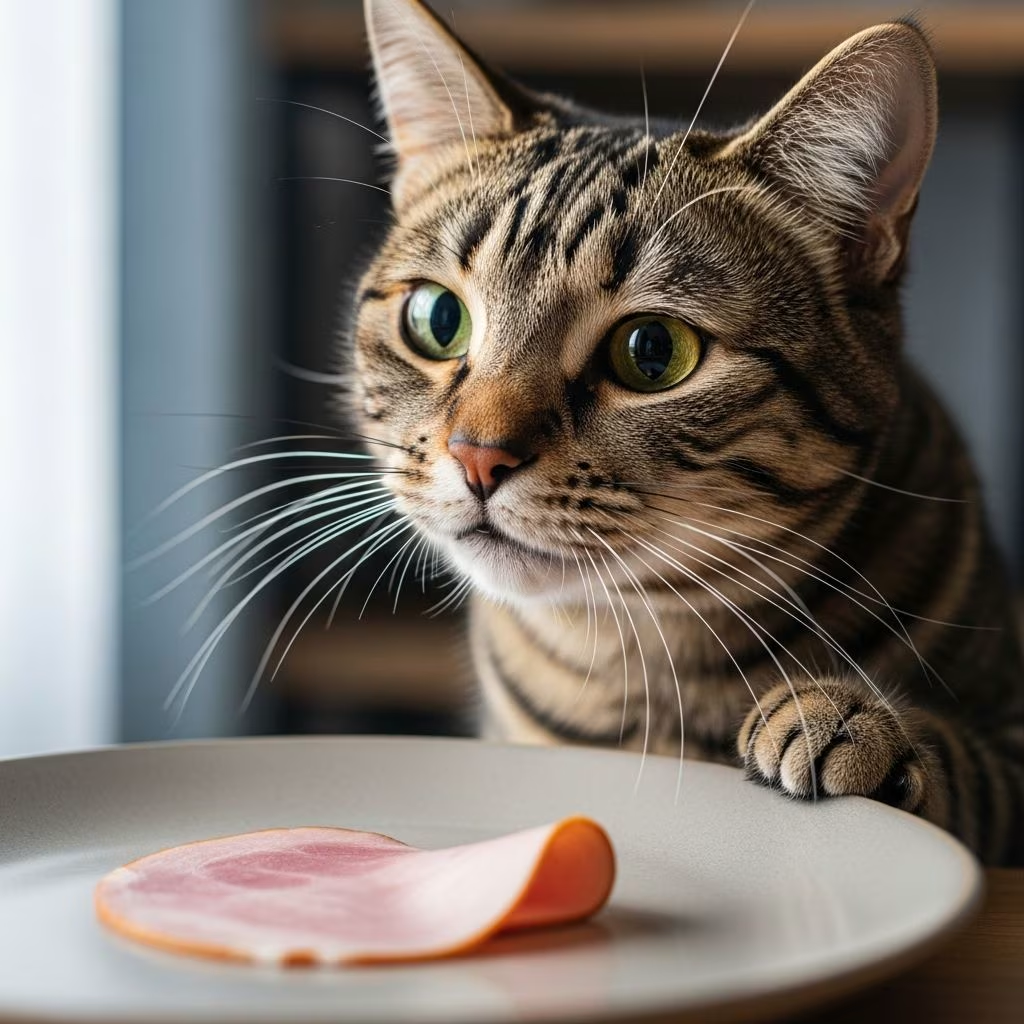
Cats are obligate carnivores that thrive on high-protein diets, making meat like ham appealing. However, while small amounts of plain, cooked ham can be an occasional treat, most varieties pose risks due to high sodium, fat, preservatives, and toxic seasonings like garlic or onion.
Why Might Cats Like Ham?
Ham attracts cats with its strong meaty aroma and savory flavor, mimicking the protein-rich prey they instinctively crave. As obligate carnivores, cats require animal-based proteins for essential amino acids like taurine, which supports heart and eye health. Ham provides protein for muscle maintenance, but its processed nature often outweighs benefits.
The appeal stems from ham’s fat content, which enhances taste, but this same fat can lead to digestive upset or obesity if overfed. Cats’ sensitive noses detect the umami from glutamates in cured meats, drawing them to kitchen counters despite risks.
Nutritional Breakdown of Ham for Cats
Ham offers protein (about 20-25g per 100g), essential for tissue repair and enzyme production in cats. It also contains B vitamins like niacin for energy metabolism and zinc for immune function. However, drawbacks dominate: high sodium (over 1,000mg per 100g) strains kidneys, leading to dehydration or hypertension.
Fat content (5-15g per 100g) risks pancreatitis or weight gain, especially in sedentary cats. Unlike balanced cat food, ham lacks taurine, calcium, and complete nutrients, potentially causing imbalances if it replaces proper meals. Home-cooked plain ham is leaner and safer than deli versions loaded with nitrates and sugars.
Potential Risks and Dangers of Ham for Cats
- High Sodium: Cured ham’s salt content causes thirst, dehydration, kidney strain, and high blood pressure. Cats process sodium differently than humans, amplifying risks.
- Toxic Additives: Garlic, onion, or chives in seasoned ham damage red blood cells, causing anemia and low oxygen levels.
- High Fat: Leads to vomiting, diarrhea, pancreatitis, or obesity. Excess fat disrupts nutrient absorption.
- Preservatives: Nitrates and nitrites may cause digestive issues or long-term cancer risks, though evidence in cats is limited.
- Bacterial Risks: Undercooked ham harbors salmonella or parasites.
Regular ham feeding exacerbates these, per veterinary warnings. A single large piece might cause immediate upset, while chronic exposure leads to chronic issues like urinary problems.
Types of Ham: Safe or Not?
Not all ham is equal for cats. Use this table to compare:
| Type of Ham | Safe for Cats? | Reasons & Guidelines |
|---|---|---|
| Plain, cooked ham | Yes, small amounts | Protein-rich but high sodium; limit to 1-inch cube, 2-3x/week. |
| Deli/processed ham | Occasional tiny bites | Additives, sodium, spices risky; avoid if garlic/onion present. |
| Raw ham | No | Bacteria/parasites; not safe even for carnivores. |
| Ham bones | No | Choking, fractures, intestinal punctures. |
| Glazed/seasoned ham | No | Sugars, spices toxic; causes anemia, GI upset. |
Opt for unseasoned, home-boiled ham rinsed of excess salt. Deli meats often exceed safe sodium thresholds.
Can Kittens Eat Ham?
Kittens should avoid ham entirely or have minuscule amounts due to delicate digestion. Their systems are sensitive to sodium and fat, risking severe vomiting, diarrhea, or nutrient imbalances affecting bone growth. High phosphorus in muscle meats like ham lacks balancing calcium, stunting development. Stick to kitten formula for complete nutrition.
How Much Ham Can Cats Eat Safely?
Treats should not exceed 10% of daily calories. For a 4kg cat (250kcal/day), that’s 25kcal max from treats. A 1-inch (28g) plain ham cube is about 50kcal—too much alone, so halve it. Offer 1-2x weekly max, monitoring for upset. Overfeeding disrupts commercial food balance, leading to deficiencies.
What About Ham Bones, Bacon, or Deli Slices?
Ham Bones: Never—splinters cause choking, mouth injuries, or blockages/perforations in stomach/intestines.
Bacon: No; even higher fat/sodium than ham, plus nitrates risking pancreatitis.
Deli Ham Slices: Limit to rare tiny pieces; preservatives/spices harmful. Low-sodium options better, but cat food superior.
Signs of Trouble After Eating Ham
- Vomiting or diarrhea
- Excessive thirst/urination
- Lethargy or abdominal pain
- Tremors (salt poisoning)
- Pale gums (anemia from toxins)
If symptoms appear, withhold food, offer water, and contact a vet immediately. Severe cases need fluids or blood tests.
Healthier Alternatives to Ham for Cats
- Cooked chicken/turkey: Plain, skinless—high protein, low fat/sodium.
- Fish like salmon: Omega-3s for coat/skin; cook thoroughly.
- Commercial treats: Vet-formulated, low-calorie options.
- Freeze-dried meat: Pure protein without additives.
- Veggies: Cucumber or pumpkin for fiber (non-toxic).
These mimic ham’s appeal safely. Consult vets for diet plans, especially for seniors or those with kidney/heart issues.
Frequently Asked Questions (FAQs)
Is it okay to give my cat ham as a treat?
Only plain, cooked ham in tiny amounts occasionally. Avoid processed varieties.
Will a little ham hurt my cat?
Usually not, but watch for GI upset. High sodium risks accumulate.
Can cats on special diets have ham?
No—prescription foods for kidney/heart conditions ban high-sodium treats.
What if my cat ate a lot of ham?
Monitor for symptoms; vet visit if vomiting persists or behavior changes.
Is honey ham safe for cats?
No—sugar and spices are harmful.
Conclusion: Prioritize Balanced Nutrition
While ham tempts, risks outweigh rewards. Feed complete cat food (90-100% diet) and use safe treats sparingly. Regular vet check-ups ensure optimal health. Sharing human food occasionally is fine, but your cat’s longevity depends on species-appropriate nutrition.
References
- Ham for Cats: Safe or Risky? Nutrition Guide — Bailey’s CBD. 2023. https://baileyscbd.com/blogs/cat-nutrition/ham-and-cats-dietary-considerations
- Can Cats Eat Ham? Types, Risks & More — Rover.com. 2024-01-15. https://www.rover.com/blog/can-cats-eat-ham/
- Can Cats Eat Ham? A Guide to Safety — Purina US. 2025-07-28. https://www.purina.com/articles/cat/feeding/can-cats-eat/ham
- Can Cats Eat Ham? — PetMD. 2024. https://www.petmd.com/cat/nutrition/can-cats-eat-ham
- Can Dogs and Cats Eat Ham? — Hill’s Pet Nutrition. 2023. https://www.hillspet.co.za/pet-care/nutrition-feeding/can-dogs-and-cats-eat-ham



