

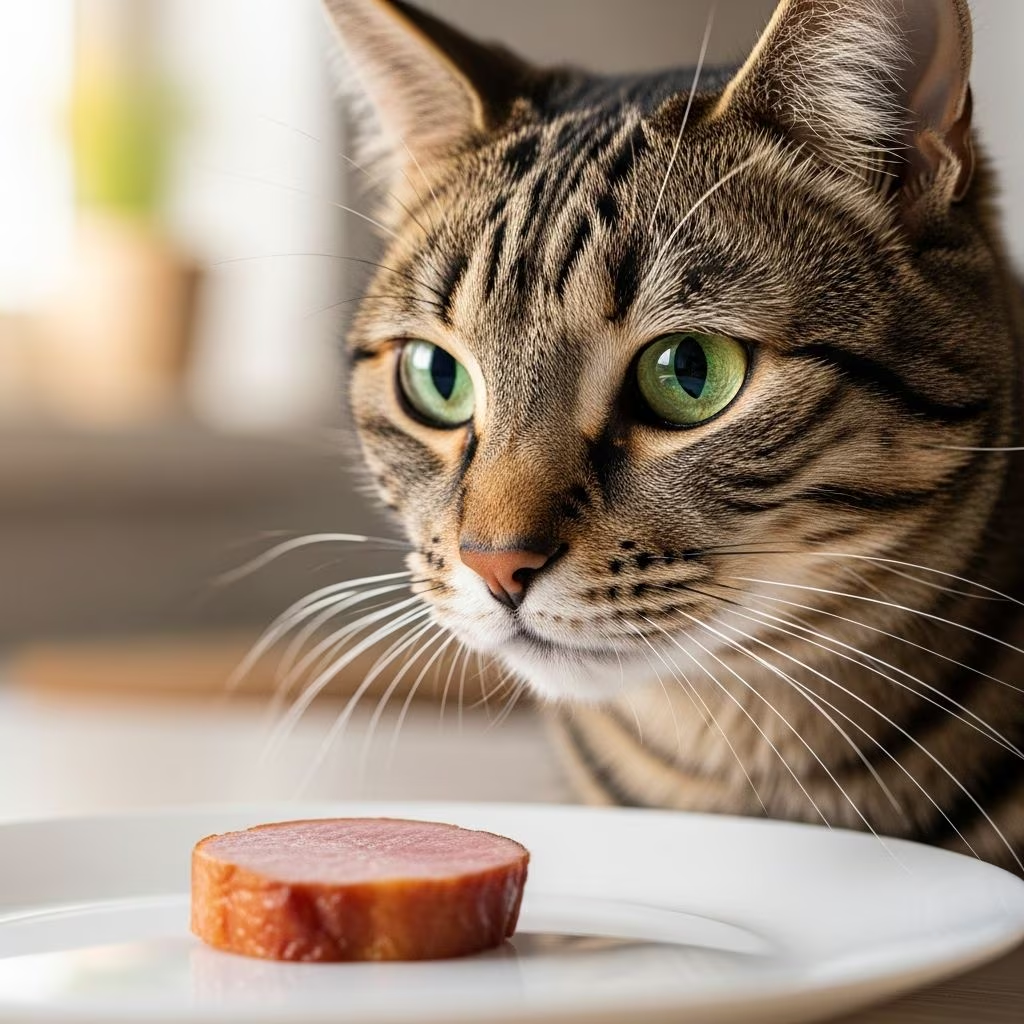
Cats are obligate carnivores that thrive on meat-based proteins, making ham seem like a tempting treat. However, while a tiny piece might not cause immediate harm, ham’s high salt content, fats, and potential additives make it unsuitable as a regular food for cats. Veterinary experts recommend sticking to commercial cat food for balanced nutrition and offering ham only sparingly, if at all.
Understanding Feline Dietary Needs
Cats require diets rich in animal proteins, taurine, and specific vitamins that support their unique metabolism. Unlike humans, felines cannot efficiently process high levels of carbohydrates, salts, or plant-based ingredients. Ham, derived from pork, provides protein but often comes loaded with elements detrimental to cats, such as excessive sodium that strains kidneys and preservatives that disrupt digestion.
A balanced feline diet should derive about 50-60% of calories from high-quality protein sources, with minimal fats from unhealthy origins. Commercial cat foods are formulated to meet these Association of American Feed Control Officials (AAFCO) standards, ensuring complete nutrition without the risks associated with human foods.
Nutritional Breakdown of Ham for Cats
Ham offers some benefits like protein for muscle maintenance, but its drawbacks overshadow positives. A typical 100g serving contains around 20-30g protein, yet also packs 1,000-2,000mg sodium—far exceeding a cat’s daily need of under 50mg per kg body weight.
| Nutrient | Amount in 100g Ham | Cat Daily Need (5kg cat) | Impact on Cats |
|---|---|---|---|
| Protein | 20-30g | 20-30g total | Beneficial but unbalanced alone |
| Sodium | 1,000-2,000mg | <250mg | Risk of hypertension, dehydration |
| Fat | 10-20g | 5-10g | Obesity, pancreatitis risk |
| Calories | 150-250 | 200-300 total | Leads to weight gain if overfed |
This table highlights why ham disrupts a cat’s nutritional equilibrium, potentially causing deficiencies in calcium or excesses in phosphorus if over-relied upon.
Primary Health Risks of Feeding Ham to Cats
- High Sodium Overload: Excessive salt can trigger salt poisoning, symptoms including vomiting, lethargy, and tremors. Even 0.25 teaspoon may toxify a 4.5kg cat.
- Toxic Seasonings: Garlic, onions, and chives in flavored hams damage red blood cells, leading to anemia and oxygen deprivation.
- Fatty Deposits: High fat promotes pancreatitis, obesity, and inflammatory bowel issues.
- Bacterial Contamination: Undercooked or preserved ham harbors pathogens like salmonella.
- Digestive Distress: Spices and preservatives irritate the gut, causing diarrhea or vomiting.
Ham Varieties and Their Safety Levels
Not all hams pose equal threats. Home-cooked, unseasoned versions are marginally safer, but still risky due to inherent saltiness.
- Cooked Ham: Better if plain-boiled without salt or spices, limited to 1cm cube 2-3 times weekly. Avoid honey-glazed or smoked types with sugars and nitrates.
- Raw Ham: Absolutely prohibited; raw pork risks trichinosis and bacterial infections.
- Deli Slices and Bacon: Loaded with preservatives and sodium; a no-go for regulars, tiny nibbles only if plain.
- Ham Hocks/Bones: Dangerous due to splintering risks perforating intestines or causing obstructions; can fracture teeth.
Special Considerations for Kittens and Senior Cats
Kittens’ immature digestive systems amplify risks; even minuscule amounts may provoke severe diarrhea or nutrient imbalances affecting bone growth from phosphorus overload. Seniors with kidney issues or hypertension face amplified dangers from sodium.
Pregnant or nursing queens should avoid ham entirely to prevent toxemia or milk contamination risks. Cats on prescription diets for renal disease, heart conditions, or obesity must adhere strictly to vet-formulated foods—no deviations.
Signs Your Cat Has Eaten Too Much Ham
Monitor for immediate symptoms post-exposure:
- Vomiting or diarrhea
- Excessive thirst/urination
- Lethargy or weakness
- Tremors/seizures (severe salt toxicity)
- Pale gums (anemia from alliums)
If observed, withhold food, provide water, and contact a vet urgently. Activated charcoal or IV fluids may be needed.
Safe Alternatives to Ham Treats
Opt for cat-specific options mimicking ham’s appeal without hazards:
- Plain cooked chicken or turkey (skinless, unseasoned)
- Commercial freeze-dried meat treats
- Fish like salmon (cooked, deboned)
- Vet-approved dental chews
Limit treats to 10% of daily calories. For protein boosts, integrate into puzzle feeders for mental stimulation.
Veterinary and Expert Recommendations
Always consult your vet before dietary changes, especially for health-compromised cats. The ASPCA Animal Poison Control Center echoes warnings on processed meats. Recent studies (2023-2025) link high-sodium diets to feline chronic kidney disease progression.
FAQs on Cats and Ham
Is a small piece of ham okay once in a while?
Yes, a tiny plain piece occasionally for healthy adults, but skip for vulnerable cats.
What if my cat stole ham from the table?
Observe for distress; seek vet care if symptoms appear within hours.
Can I make cat-safe ham at home?
Boil fresh pork loin without salt/spices; use sparingly.
Why do vets discourage human meats?
Imbalanced nutrients and additives risk toxicity over time.
Are there ham-flavored cat treats?
Yes, formulated safely without pork; check labels for AAFCO compliance.
In summary, while cats might relish ham’s flavor, its health pitfalls make it a poor choice. Prioritize species-appropriate nutrition for longevity and vitality.
References
- Can Cats Eat Ham? A Guide to Safety — Purina US. 2025-07-28. https://www.purina.com/articles/cat/feeding/can-cats-eat/ham
- Ham for Cats: Safe or Risky? Nutrition Guide — Bailey’s CBD. 2024. https://baileyscbd.com/blogs/cat-nutrition/ham-and-cats-dietary-considerations
- Can Cats Eat Bacon or Other Processed Meats? — Whisker. 2023. https://www.whisker.com/blog/can-cats-eat-bacon-processed-meats
- Can Cats Eat Ham? — PetMD. 2024. https://www.petmd.com/cat/nutrition/can-cats-eat-ham
- Can Dogs and Cats Eat Ham? — Hill’s Pet Nutrition. 2023. https://www.hillspet.co.za/pet-care/nutrition-feeding/can-dogs-and-cats-eat-ham



