

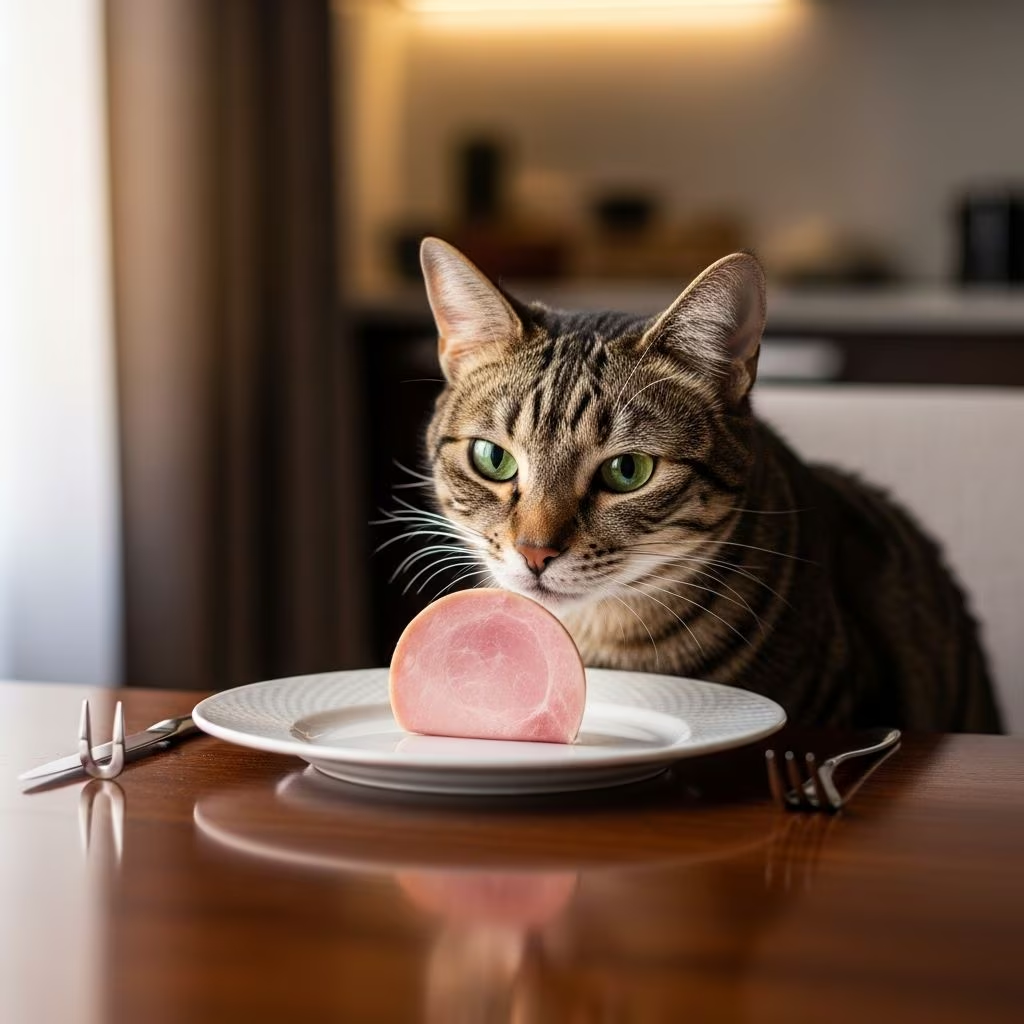
Cats are obligate carnivores that thrive on high-protein diets, making meat like ham appealing. However, ham’s processing often introduces high sodium, fat, preservatives, and potentially toxic seasonings, making it unsuitable as a regular treat. While tiny portions of plain, unseasoned cooked ham might be tolerated occasionally, most experts recommend avoiding it to prevent health issues like digestive upset, pancreatitis, hypertension, and salt poisoning.
Is Ham Safe for Cats?
Ham is not inherently toxic to cats but carries significant risks due to its preparation. Plain, home-cooked ham without salt or spices provides lean protein beneficial for muscle maintenance, but commercial varieties are cured with excessive sodium—up to 1,000mg per 100g—which can overwhelm a cat’s kidneys and lead to dehydration or toxicity. Veterinarians like Dr. Kathleen Mottel advise very small portions only, as excess can cause vomiting, diarrhea, and pancreatitis from high fat content. For cats on prescription diets (e.g., for kidney disease or hypertension), ham is strictly off-limits due to sodium restrictions.
Key factors determining safety include ham type, portion size, and your cat’s health. Kittens, seniors, or cats with conditions like obesity or heart disease face amplified risks, as their systems handle excess salt and fat poorly. Always consult a vet before introducing human foods.
Nutritional Breakdown: What Does Ham Offer Cats?
Ham delivers protein (about 20-25g per 100g), essential for cats’ tissue repair, enzyme production, and energy. It also contains B vitamins (thiamine, niacin) supporting metabolism and phosphorus for bone health. However, these benefits are overshadowed by drawbacks:
- High Sodium: Curing process adds salt, risking hypertension, thirst, and kidney strain. Cats need far less sodium than humans (daily requirement ~50mg/kg body weight).
- Fat Content: Fatty cuts contribute to obesity, diabetes, and pancreatitis; lean ham is preferable but rare in processed forms.
- Imbalanced Minerals: High phosphorus without calcium can disrupt bone growth in kittens.
- Calories: Dense at 150-250 kcal/100g, small bites add up quickly, displacing balanced cat food.
Commercial cat foods are formulated for complete nutrition, making ham redundant and risky as a staple.
Potential Health Risks of Feeding Ham to Cats
While a nibble might not harm, regular or large amounts invite problems. Common issues include:
- Digestive Distress: Upset stomach, vomiting, diarrhea from salt, fat, or spices.
- Pancreatitis: High fat triggers inflammation of the pancreas, a painful emergency.
- Sodium Toxicity: Symptoms like lethargy, tremors, seizures; severe cases cause organ damage.
- Toxic Additives: Garlic, onion in seasoned ham damage red blood cells, causing anemia and low oxygen.
- Obesity and Related Issues: Excess calories lead to weight gain, joint strain, diabetes.
Allergic reactions are possible, manifesting as itching, swelling, or GI issues—rare but monitor closely. Long-term, repeated exposure stresses kidneys, vital for cats prone to chronic kidney disease.
Types of Ham: Safe vs. Unsafe for Cats
Not all ham is equal. Use this table to assess options:
| Type of Ham | Safe for Cats? | Reason |
|---|---|---|
| Plain, cooked (home-made, unseasoned) | Yes, tiny amounts occasionally | Lean protein source; low risk if salt-free. |
| Deli/sliced ham | Very small amounts only | High sodium, preservatives, possible spices; avoid regular use. |
| Honey/Glazed ham | No | Sugar, sweeteners toxic; high fat/sodium. |
| Raw ham | No | Bacteria (salmonella, E. coli) risk; parasites. |
| Ham bones | No | Choking, fractures, intestinal punctures. |
| Cured/smoked ham | Avoid | Nitrates, smoke flavors irritate; high salt. |
Pro tip: Bacon shares similar risks—high fat/sodium, never safe.
Can Kittens Eat Ham?
Kittens require precise nutrition for growth, with higher protein needs but delicate digestion. A tiny speck of plain ham might be okay rarely, but avoid it—kittens risk diarrhea, vomiting, and mineral imbalances affecting bone development. Stick to kitten-specific formulas for taurine, DHA, and balanced calcium-phosphorus ratios.
Can Cats Eat Raw Ham or Ham Bones?
Raw Ham: Absolutely not. Raw pork harbors pathogens like trichinella, toxoplasma, and bacteria causing foodborne illness. Cats’ shorter digestive tracts don’t neutralize these like wild predators.
Ham Bones: Dangerous regardless of cooking. Splinters cause choking, mouth injuries, esophageal blockages, or perforations in stomach/intestines. Splenic fractures or dental breaks are common. Dispose securely.
Can Cats Eat Deli Ham or Bacon?
Deli ham and bacon are processed with sodium nitrite, spices (often onion/garlic powder), and fats—leading to GI upset, anemia, or kidney issues. An accidental lick won’t kill, but don’t share intentionally. Low-sodium options still exceed feline tolerances.
How Much Ham Can Cats Eat Safely?
If offering plain cooked ham, limit to 1-inch cube (5-10g) max, 2-3 times weekly for a 4kg cat—less than 10% of daily calories. Weigh treats; monitor for adverse signs. Better: commercial treats matching nutritional profiles without risks.
Signs Your Cat Has Eaten Too Much Ham
Watch for:
- Excessive thirst/urination
- Vomiting/diarrhea
- Lethargy, weakness
- Tremors, rapid breathing (toxicity)
- Abdominal pain, bloating
Seek vet care immediately for severe symptoms; induce vomiting only under guidance.
Healthier Alternatives to Ham for Cats
Prioritize vet-approved options:
- Cooked Chicken/Turkey: Plain, skinless—excellent protein.
- Fish (Salmon/Tuna): Occasional, low-mercury; rich in omega-3s.
- Commercial Treats: Freeze-dried meat, dental chews.
- Vegetable Bits: Cooked pumpkin, carrots for fiber (small amounts).
- Ham Substitutes: Cat-specific ‘meaty’ treats mimicking pork flavor safely.
Aim for 90% complete food, 10% treats. Hydration is key—wet food helps counter any salt exposure.
Frequently Asked Questions
Is a little bit of ham okay for my cat?
Yes, plain cooked ham in tiny amounts occasionally, but risks outweigh benefits for most.
Why is ham bad for cats with kidney disease?
High sodium exacerbates kidney strain; prescription diets are sodium-restricted.
Can my cat have ham at Christmas dinner?
Opt for plain turkey instead; keep ham away to avoid begging and risks.
What if my cat ate a lot of ham?
Monitor; contact vet if symptoms appear—may need fluids or supportive care.
Are there ham-flavored cat treats?
Yes, many brands offer safe, low-sodium meat-flavored options.
(Word count: 1678)
References
- Ham for Cats: Safe or Risky? Nutrition Guide — Bailey’s CBD. 2023. https://baileyscbd.com/blogs/cat-nutrition/ham-and-cats-dietary-considerations
- Can Cats Eat Ham? Types, Risks & More — Rover.com. 2024-01-15. https://www.rover.com/blog/can-cats-eat-ham/
- Can Cats Eat Ham? A Guide to Safety — Purina US. 2025-07-28. https://www.purina.com/articles/cat/feeding/can-cats-eat/ham
- Can Cats Eat Ham? — PetMD. 2024. https://www.petmd.com/cat/nutrition/can-cats-eat-ham
- Can Dogs and Cats Eat Ham? — Hill’s Pet Nutrition. 2023. https://www.hillspet.co.za/pet-care/nutrition-feeding/can-dogs-and-cats-eat-ham
- Can My Cat Eat That? The Most Commonly Asked Culprits Answered by a Veterinarian — Hardyston Vet. 2024. https://www.hardystonvet.com/services/blog/can-my-cat-eat-most-commonly-asked-culprits-answered-veterinarian



