

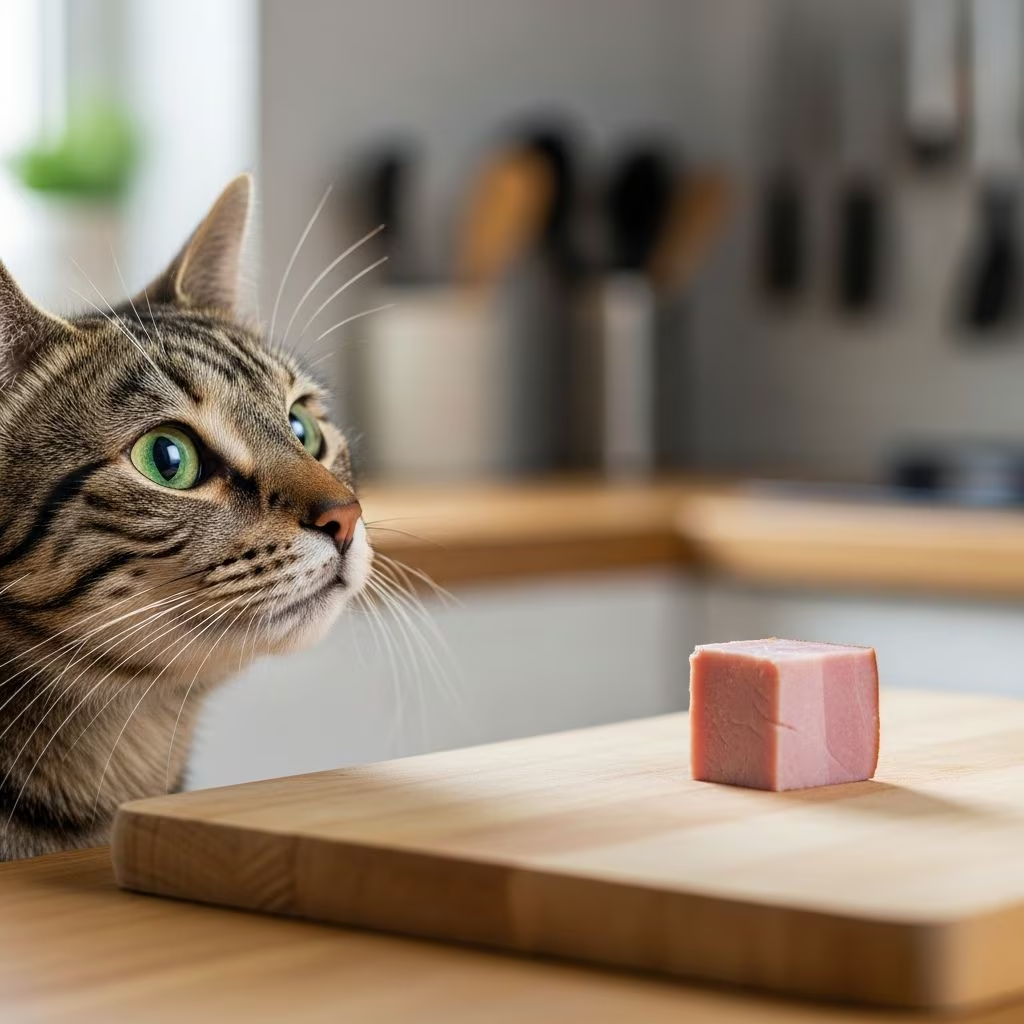
Cats can eat small amounts of plain, cooked ham as an occasional treat, but it is not recommended as a regular part of their diet due to high sodium, fat, preservatives, and potential toxins like garlic or onions.
Ham provides protein that aligns with cats’ obligate carnivore needs, but its processing often introduces risks outweighing benefits. Always consult a veterinarian before introducing human foods, especially for cats on special diets.
Quick Answer: Can Cats Eat Ham?
In moderation, yes—but only plain, unseasoned, fully cooked ham in tiny portions (e.g., a 1-inch cube, 2-3 times weekly max). Deli ham, raw ham, or ham with additives is unsafe.
- Protein benefit: Ham is meat-based, suitable for carnivores.
- Risks: Excess sodium causes thirst, dehydration, hypertension; fat leads to obesity, pancreatitis; spices like garlic/onions damage red blood cells.
- Best practice: Stick to commercial cat food for balanced nutrition.
Why Is Ham Bad for Cats?
Ham is cured pork high in sodium (for preservation), fat, and often seasoned with toxic ingredients. Cats’ kidneys process salt poorly, leading to health issues over time.
Key concerns:
- High sodium: Can cause hypertension, heart strain, especially in older cats or those with kidney disease.
- Fats and calories: Promote weight gain, digestive upset, pancreatitis.
- Preservatives/spices: Onions, garlic, nitrates harm red blood cells, causing anemia.
- Bacteria risk: Undercooked ham may carry pathogens like salmonella.
A balanced cat diet meets all needs; ham disrupts this, potentially causing nutritional imbalances.
Is Ham Toxic to Cats?
Ham itself isn’t directly toxic like chocolate or grapes, but additives make it dangerous. Garlic/onion in seasonings trigger oxidative damage to red blood cells, leading to hemolytic anemia—symptoms include weakness, pale gums, rapid breathing.
Plain ham lacks these but still risks salt poisoning: excessive thirst, vomiting, tremors, seizures in severe cases.
Can Kittens Eat Ham?
Kittens should avoid ham entirely or limit to minuscule plain amounts. Their delicate digestive systems and developing kidneys are highly sensitive to sodium and fats, risking vomiting, diarrhea, dehydration.
- Kittens need precise nutrient ratios from kitten formula.
- Small ‘floor scraps’ won’t harm occasionally but aren’t ideal.
- Wait until adulthood for any treats.
Can Cats Eat Raw Ham?
No. Raw ham risks bacterial contamination (salmonella, E. coli, parasites like trichinella). Cats’ stomachs aren’t immune; raw diets require veterinary oversight and lab-tested meat.
Raw feeding lacks safety data for commercial ham products.
Can Cats Eat Cooked Ham?
Plain, home-cooked ham (boiled/baked without salt/spices) is safest in tiny bits. Avoid store-bought varieties like honey ham, smoked ham, or glazed hams with sugar, garlic, cloves.
| Type of Cooked Ham | Safe for Cats? | Reason |
|---|---|---|
| Plain boiled ham | Yes, small amounts | Low additives if home-made. |
| Smoked/honey ham | No | Sugar, smoke preservatives harm digestion. |
| Seasoned (garlic/onion) | No | Toxic compounds. |
| Glazed holiday ham | No | High sugar/sodium. |
Can Cats Eat Ham Bones?
Absolutely not—cooked or raw. Bones splinter into sharp shards causing:
- Choking or intestinal obstruction.
- Punctures to mouth, throat, stomach, intestines.
- Broken teeth (cats’ teeth are brittle).
If ingested, seek emergency vet care immediately.
Can Cats Eat Deli Ham or Ham Lunch Meat?
No. Deli slices are packed with sodium, nitrates, spices (garlic powder, chives), causing stomach upset at minimum, or severe toxicity.
Even ‘low-sodium’ options exceed cats’ needs. Bacon is worse—greasy, cured similarly.
Can Cats Eat Ham Broth?
Avoid. Ham broth concentrates sodium/fats from curing. Plain meat broth might be okay in dilution, but commercial versions add onions/salt.
How Much Ham Can I Give My Cat?
Treats should be <10% of diet. For ham:
- Portion: 1-inch cube (pea-sized for kittens).
- Frequency: 2-3 times/week max.
- Monitor: For vomiting, lethargy, thirst—stop and call vet.
Cats with heart/kidney issues: None.
Ham Nutrition Facts for Cats
Per 100g cooked ham (USDA data, adapted): High protein (23g) but sodium (1,200mg—cats need ~40mg/day).
| Nutrient | Per 100g Ham | Cat Daily Need (avg 4kg cat) |
|---|---|---|
| Protein | 23g | 20-30g |
| Sodium | 1,200mg | ~40mg |
| Fat | 5-20g | Moderate |
Excess disrupts taurine balance, kidney function.
What Happens If My Cat Eats Ham?
Small plain amount: Usually fine, maybe mild thirst/upset.
Excess/dangerous type:
- Mild: Vomiting, diarrhea, drooling.
- Serious: Anemia (from spices), salt toxicity (seizures), pancreatitis.
- Emergency signs: Collapse, bloody stool, breathing issues—vet NOW.
Conclusion: Better Alternatives to Ham for Cats
Skip ham; opt for vet-approved treats:
- Commercial cat treats.
- Plain cooked chicken/turkey (skinless, unseasoned).
- Fish like salmon (cooked, no bones).
- Freeze-dried meat treats.
Prioritize complete cat food for health.
Frequently Asked Questions
Can cats eat ham on a prescription diet?
No. Stick to prescribed food; ham’s sodium disrupts therapeutic balances (e.g., kidney/heart diets).
Is honey ham safe for cats?
No—sugar and preservatives cause GI issues.
Can cats eat ham once a year (holidays)?
Tiny plain piece okay if healthy, but plain chicken better.
What if my cat stole ham?
Monitor 24-48h; vet if symptoms appear.
Is vegetarian ham okay for cats?
No—lacks animal protein; often soy/spices unsafe.
References
- Can Cats Eat Ham? A Guide to Safety — Purina US. 2025-07-28. https://www.purina.com/articles/cat/feeding/can-cats-eat/ham
- Can Cats Eat Ham? — PetMD. 2024. https://www.petmd.com/cat/nutrition/can-cats-eat-ham
- Can Cats Eat Ham? — Cats.com. 2023. https://cats.com/can-cats-eat-ham



