

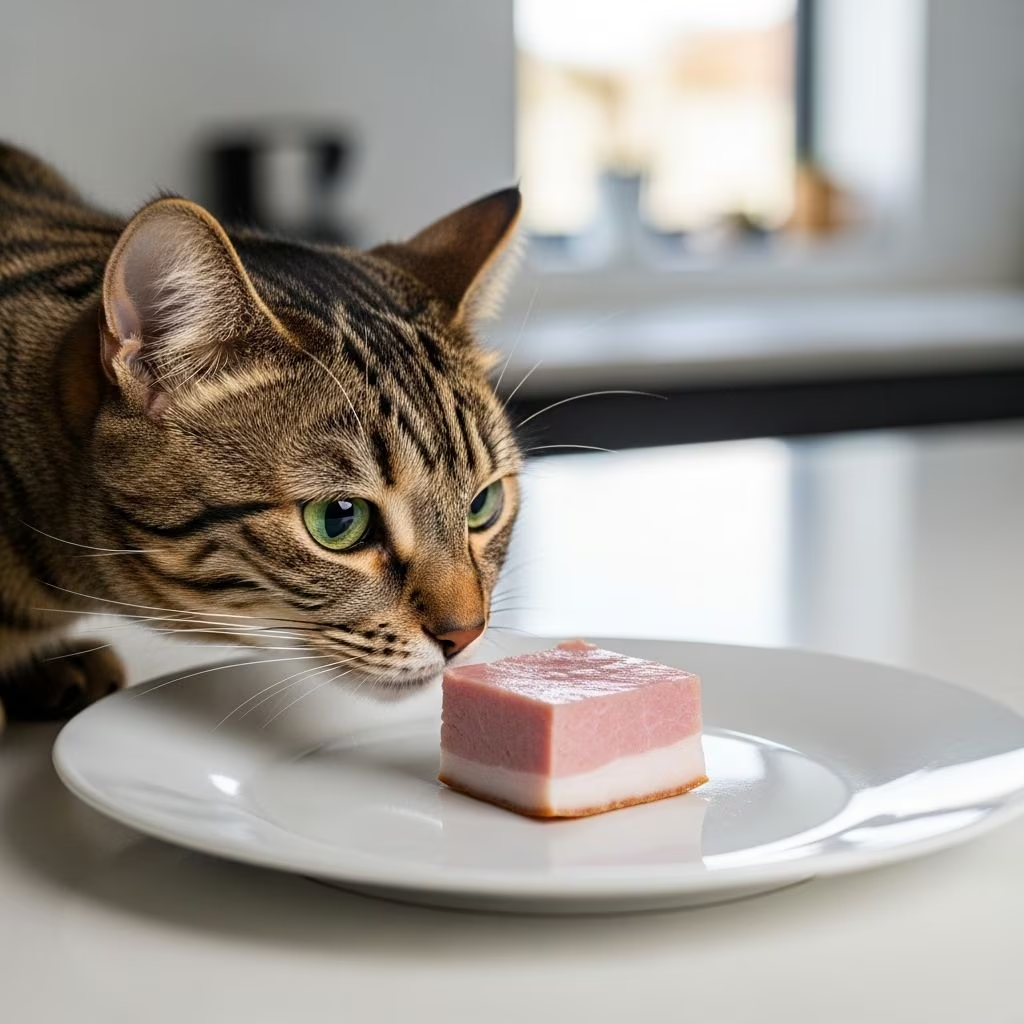
Cats are obligate carnivores that thrive on high-protein diets, making meat like ham appealing as an occasional treat. However, ham’s high sodium, fat content, and potential additives make it risky for regular consumption. While small amounts of plain, cooked ham may be tolerable for healthy adult cats, it’s best limited to minimize health issues like dehydration, digestive upset, and pancreatitis.
Is Ham Safe for Cats?
Ham provides protein essential for muscle maintenance and energy in cats, but its processing introduces hazards. Cured ham is laden with salt for preservation, which can strain feline kidneys and cause hypertension. Seasonings like garlic or onion—common in flavored varieties—are toxic, damaging red blood cells and leading to anemia. Veterinary experts recommend avoiding ham altogether or restricting it to tiny, unseasoned portions to prevent obesity, vomiting, or more severe conditions.
Not all ham is equal: home-cooked, plain versions without additives offer better safety profiles than deli slices packed with preservatives. Even then, ham lacks the balanced nutrients of commercial cat food, including taurine vital for heart and eye health. Over-reliance on human foods disrupts dietary equilibrium, potentially causing deficiencies.
Nutritional Breakdown of Ham for Cats
Ham delivers high-quality protein with essential amino acids supporting tissue repair and enzyme production, aligning with cats’ carnivorous needs. A typical serving contains B vitamins for metabolism and minerals like zinc for immune function. However, these benefits are overshadowed by drawbacks:
- High Sodium: Curing processes elevate salt levels far beyond feline requirements, risking dehydration and kidney strain.
- Elevated Fat: Fatty cuts promote weight gain and pancreatitis, especially in sedentary cats.
- Imbalanced Minerals: Excess phosphorus without adequate calcium can harm bone development, particularly in kittens.
Compared to cat food, ham offers incomplete nutrition. Commercial formulas provide precise taurine, arachidonic acid, and prebiotics absent in processed pork.
Potential Risks and Dangers of Ham for Cats
While a nibble rarely causes immediate harm, repeated or large servings amplify dangers. High sodium triggers thirst and urination, leading to electrolyte imbalances. Fat content irritates the pancreas, causing inflammation and digestive distress like diarrhea or vomiting. Allergic reactions, though rare, manifest as itching or gastrointestinal upset.
Toxic additives pose the gravest threats: onions and garlic in seasoned ham inhibit oxygen transport in blood, resulting in weakness, pale gums, and collapse. Undercooked ham harbors bacteria like Salmonella, endangering both cats and owners. Long-term, habitual treats contribute to obesity, diabetes, and urinary issues.
Types of Ham and Their Safety for Cats
Different preparations vary in risk levels. Use this table to evaluate options:
| Type of Ham | Safe for Cats? | Reason |
|---|---|---|
| Plain, cooked ham | Yes, small amounts | Protein-rich but monitor sodium; limit to occasional treats. |
| Deli ham | Occasional tiny bites | High sodium, preservatives, and spices increase risks. |
| Raw ham | No | Bacterial contamination like Salmonella; digestive dangers. |
| Ham bones | No | Choking hazard, splintering causes internal punctures or obstructions. |
| Seasoned/glazed ham | No | Toxic garlic, onion, sugars harm red blood cells and digestion. |
Pro tip: Bacon shares similar pitfalls—high fat, sodium, and nitrates make it equally unsafe.
Can Kittens Eat Ham?
Kittens possess delicate digestive systems and require nutrient-dense growth formulas rich in DHA for brain development and balanced calcium-phosphorus ratios. Ham’s excesses disrupt this: even small amounts provoke vomiting or diarrhea, while phosphorus overload risks skeletal deformities. Stick to kitten-specific food; consult vets before any treats.
Can Cats on Special Diets Eat Ham?
Cats with conditions like kidney disease, hypertension, or pancreatitis need restricted-sodium prescriptions. Ham exacerbates these, accelerating disease progression. Weight management or urinary diets demand precise nutrition ham undermines. Always adhere to veterinary prescriptions—no exceptions for treats.
How Much Ham Can Cats Safely Eat?
Treats should comprise no more than 10% of daily calories. For an average 10-lb cat (250 kcal/day), limit ham to a 1-inch cube (about 5-10 kcal) 2-3 times weekly. Adjust downward for kittens, seniors, or overweight pets. Signs of excess include increased thirst, lethargy, or stool changes—stop immediately and vet if persistent.
How to Safely Prepare and Serve Ham to Cats
If offering ham, prioritize safety:
- Select uncooked pork loin; bake plainly without salt, spices, or glazes.
- Cool thoroughly; cut into pea-sized pieces.
- Introduce gradually, observing for reactions.
- Wash hands and surfaces to prevent bacterial spread.
Store leftovers refrigerated, discarding after 3 days. Never microwave—hot spots burn mouths.
Healthier Alternatives to Ham for Cats
Opt for vet-approved proteins mimicking ham’s appeal without risks:
- Cooked chicken/turkey: Lean, plain, taurine-rich; bake or boil.
- Fish like salmon: Omega-3s for coat health; fully cooked, boneless.
- Commercial treats: Freeze-dried meat bits formulated for nutrition.
- Scrambled egg whites: Protein boost, low-fat.
- Cat-safe cheese: Tiny amounts of low-lactose varieties.
These maintain balance while satisfying cravings. Homemade stocks from plain meats add flavor to kibble safely.
What to Do if Your Cat Eats Ham
Small, plain amounts typically pass uneventfully. Monitor for 24-48 hours:
- Mild symptoms: Vomiting/diarrhea—offer water, bland diet, withhold treats.
- Severe signs: Lethargy, tremors, pale gums, excessive thirst—rush to vet for fluids or bloodwork.
For suspected toxins, induce vomiting only under vet guidance. Prevention trumps cure: secure counters during meals.
Frequently Asked Questions (FAQs)
Can cats eat ham deli meat?
Typically no—high sodium and additives cause upset stomach or worse. Tiny, low-sodium bites occasionally if plain.
Is raw ham okay for cats?
No, raw meat risks bacterial infections like Salmonella, unsafe for felines.
Why is ham bad for cats?
Excess salt, fat, and toxins like garlic lead to dehydration, pancreatitis, and anemia.
Can kittens have ham?
Avoid—kittens’ systems can’t handle imbalances; stick to kitten food.
What if my cat ate a ham bone?
Emergency vet visit: risks choking, punctures, or obstructions.
References
- Ham for Cats: Safe or Risky? Nutrition Guide — Bailey’s CBD. 2023. https://baileyscbd.com/blogs/cat-nutrition/ham-and-cats-dietary-considerations
- Can Cats Eat Ham? Types, Risks & More — Rover.com. 2024-01-15. https://www.rover.com/blog/can-cats-eat-ham/
- Can Cats Eat Ham? A Guide to Safety — Purina US. 2025-07-28. https://www.purina.com/articles/cat/feeding/can-cats-eat/ham
- Can Cats Eat Ham? — PetMD. 2024-05-10. https://www.petmd.com/cat/nutrition/can-cats-eat-ham
- Can Dogs and Cats Eat Ham? — Hill’s Pet Nutrition. 2023-11-20. https://www.hillspet.co.za/pet-care/nutrition-feeding/can-dogs-and-cats-eat-ham



