

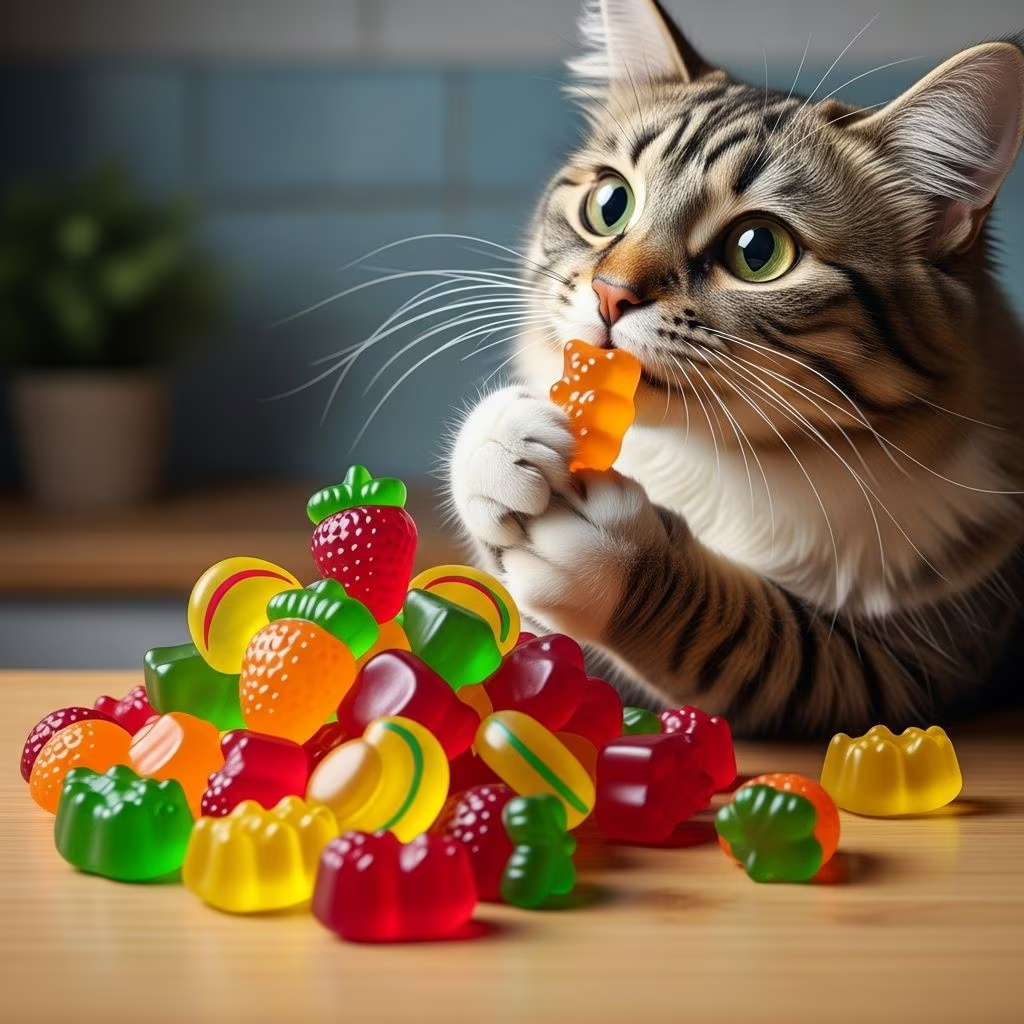
Can Cats Eat Gummy Bears? Understanding the Risks
Gummy bears are a popular treat enjoyed by many people, but if you have a feline companion who likes to investigate whatever you’re snacking on, you might wonder whether it’s safe to share these chewy candies with your cat. The straightforward answer is no—gummy bears should not be fed to cats. While gummy bears are not toxic, they pose several health risks that make them an unsuitable choice for your pet. Understanding these risks is essential for maintaining your cat’s health and preventing potential complications.
Why Can’t Cats Eat Gummy Bears?
Gummy bears might seem like harmless treats, but they present multiple concerns for feline health. Cats have specialized nutritional needs that differ significantly from humans, and gummy bears fail to meet any of those requirements. Let’s explore the specific reasons why these candies should remain off-limits for your furry friend.
Choking Risk
One of the most immediate dangers posed by gummy bears is their potential to cause choking. Despite their soft appearance, gummy bears have a sticky, chewy texture that can easily lodge in a cat’s mouth, throat, or between their teeth. Unlike humans, cats cannot effectively manipulate their tongues to dislodge stuck food, and they may accidentally swallow pieces that are too large for safe passage. This can lead to serious digestive complications or airway obstruction. The chewy nature of gummy bears makes them fundamentally different from standard cat food, which is formulated to be easy to swallow and digest. If your cat does manage to swallow a large piece, it could cause intestinal blockages or other gastrointestinal emergencies.
Dental and Mouth Issues
Gummy bears pose significant threats to your cat’s oral health. The sticky texture causes pieces to adhere to teeth, gums, and the roof of the mouth, creating discomfort for your pet. Cats lack the same dexterity humans possess to remove stuck food from their mouths, and most cats resent attempts at tooth brushing. This means any gummy bear residue left behind can cause prolonged discomfort, drooling, and pawing at the mouth. While sugar itself hasn’t been scientifically proven to cause plaque buildup in cats the way it does in humans, the combination of stickiness and sugar content still poses risks to oral health.
Stomach Upset and Digestive Problems
Cats are obligate carnivores, meaning their digestive systems are optimized to process meat and animal proteins rather than carbohydrates and sugars. Their bodies lack the enzymatic capacity to efficiently digest the ingredients found in gummy bears, such as gelatin, artificial sweeteners, and food dyes. A natural feline diet should contain only 0–12% carbohydrates, and these should come from sources that naturally occur in prey animals, not from processed candies. When cats consume gummy bears, their digestive systems struggle to process them effectively, potentially resulting in vomiting, diarrhea, and general gastrointestinal discomfort. Even a single gummy bear might cause mild symptoms in sensitive cats, while regular consumption could lead to more severe digestive upset.
High Sugar Content
Perhaps the most problematic aspect of gummy bears is their sugar content. These candies are essentially pure sugar combined with gelatin, artificial sweeteners, and food dyes. Cats lack the taste receptors necessary to appreciate sweetness, which means they derive no pleasure from the taste itself. However, they suffer all the consequences of sugar consumption. The high sugar content in gummy bears can lead to obesity, as cats consuming sugary treats are more likely to gain excess weight. Over time, sugar consumption increases the risk of feline diabetes, a serious condition that affects many domestic cats. Additionally, the empty calories provided by gummy bears can displace more nutritious cat food from your pet’s diet, creating nutritional imbalances that compromise their overall health.
Can Cats Eat Sugar-Free Gummy Bears?
You might assume that sugar-free gummy bears would be a safer alternative for your cat since they eliminate the sugar content risk. However, this assumption is incorrect. Sugar-free gummy bears replace sugar with artificial sweeteners and chemical additives designed to mimic the taste of real sugar. These chemical substitutes are not appropriate for feline consumption and should be avoided just as carefully as their sugar-containing counterparts.
Artificial Sweeteners and Xylitol Concerns
One particularly concerning artificial sweetener found in sugar-free products is xylitol. Xylitol is highly toxic to dogs, causing severe hypoglycemia, liver damage, and potentially death. While cats appear to tolerate xylitol better than dogs do, and current scientific evidence suggests it may not be as harmful to felines, there is still insufficient data on its long-term safety in cats. The wise approach is to avoid exposing your cat to xylitol whenever possible, as more research is needed to fully understand its effects on feline health. Other artificial sweeteners and food additives present in sugar-free gummy bears offer no nutritional benefit to cats and serve no purpose in their diet.
Are Gummy Bears Toxic to Cats?
An important distinction must be made: while gummy bears are not inherently toxic to cats, this does not mean they are safe to feed. Toxicity and safety are not opposite ends of the same spectrum. A substance can be non-toxic yet still harmful to your pet’s health. If your cat manages to sneak a single gummy bear when you’re not looking, it’s unlikely to cause serious harm. However, you should monitor your cat carefully for the next 24–48 hours to ensure the gummy bear passes through their system without causing stomach upset or other complications.
The real danger emerges when cats consume gummy bears regularly or in large quantities. Repeated exposure to these unsuitable treats can lead to cumulative health problems, including obesity, dental disease, digestive issues, and potentially diabetes. Additionally, if your cat fills up on gummy bears, they may eat less of their nutritionally balanced cat food, creating dietary deficiencies that impact their long-term health.
What to Do If Your Cat Eats Gummy Bears
Despite your best efforts to keep gummy bears away from your feline friend, accidents can happen. If you discover your cat has consumed gummy bears, take the following steps:
- Remain calm: A single gummy bear is unlikely to cause serious harm
- Monitor closely: Watch your cat for signs of digestive upset, including vomiting, diarrhea, lethargy, loss of coordination, or changes in behavior
- Contact your veterinarian: If your cat shows any concerning symptoms or if you’re uncertain about the quantity consumed, reach out to your vet for professional guidance
- Document what happened: Note the type of gummy bear (sugar-free or regular), approximate quantity, and time of consumption to share with your veterinarian if needed
- Prevent future incidents: Store gummy bears and other human candies in secure locations where your cat cannot access them
Safer Treat Alternatives for Your Cat
Instead of offering gummy bears or other human candies, provide your cat with treats specifically formulated for feline nutrition. Safe alternatives include:
- Commercial cat treats made with high-quality proteins
- Small pieces of cooked chicken or turkey (without seasoning)
- Fish-based treats designed for cats
- Freeze-dried meat treats with no additives
- Interactive toys that dispense rewards
Understanding Feline Nutrition Requirements
To make informed decisions about your cat’s diet, it’s helpful to understand their unique nutritional needs. Cats are obligate carnivores, meaning they have evolved to obtain all necessary nutrients from meat and animal sources. Unlike humans and some other animals, cats cannot synthesize certain essential amino acids and vitamins from plant-based sources. Their digestive systems are short and highly acidic, optimized for breaking down animal proteins rapidly. This specialized physiology is why cats struggle to digest high-carbohydrate foods like gummy bears. Additionally, cats require taurine, an amino acid found exclusively in animal proteins, to maintain healthy eyesight and heart function. Commercial cat foods are carefully formulated to provide these essential nutrients in appropriate proportions, making them far superior to any human food or candy treat.
Long-Term Health Consequences of Sugary Treats
While a single exposure to gummy bears may not cause immediate harm, regular consumption of sugary treats can lead to serious long-term health consequences. Obesity in cats increases the risk of joint problems, respiratory issues, and decreased mobility. Feline diabetes is increasingly common among overweight cats and can require lifelong insulin injections and dietary management. Dental problems stemming from sticky candy residue combined with sugar consumption can eventually lead to tooth loss and chronic pain. Gastrointestinal issues can develop into inflammatory bowel disease or other chronic digestive conditions. By keeping gummy bears and similar human candies away from your cat, you protect their long-term health and quality of life.
Frequently Asked Questions
Q: What should I do if my cat ate just one gummy bear?
A: If your cat ate a single gummy bear, remain calm as it’s unlikely to cause serious harm. Monitor your cat for the next 24–48 hours for signs of digestive upset such as vomiting or diarrhea. If symptoms develop or you notice any concerning behavior, contact your veterinarian.
Q: Are sugar-free gummy bears safer for cats?
A: No, sugar-free gummy bears are not significantly safer for cats. They contain artificial sweeteners and chemical additives that are not appropriate for feline consumption, and some may contain xylitol, which has uncertain safety in cats.
Q: Can cats taste sweetness?
A: No, cats lack the taste receptors necessary to perceive sweetness. This means they don’t enjoy the sweet taste of gummy bears and gain no pleasure from them, even though humans find them delicious.
Q: What are symptoms of xylitol poisoning in cats?
A: While xylitol is primarily dangerous to dogs, potential symptoms in cats could include lethargy, vomiting, loss of coordination, collapse, and seizures. If you suspect your cat ingested xylitol, contact a veterinarian immediately.
Q: How can I prevent my cat from eating gummy bears?
A: Store gummy bears and all human candies in secure, sealed containers in cabinets or pantries where your cat cannot access them. Be mindful when eating these treats yourself, and never intentionally offer them to your cat.
Q: Are there any health benefits to gummy bears for cats?
A: No, gummy bears provide absolutely no nutritional benefit to cats. They contain only empty calories from sugar, gelatin, and artificial ingredients with no vitamins, minerals, or protein that cats need.
Final Thoughts
While gummy bears make a delightful treat for humans, they have no place in your cat’s diet. Although they are not toxic, they pose real and significant health risks including choking hazards, dental problems, digestive upset, and long-term complications from sugar consumption. As a responsible pet parent, the best approach is to keep gummy bears securely stored away from your feline friend and instead offer treats specifically designed for cats’ nutritional needs. If your cat accidentally consumes a gummy bear, monitor them closely and contact your veterinarian if any concerning symptoms develop. By understanding these risks and taking preventive measures, you can help ensure your cat enjoys a long, healthy, and happy life.
References
- Can Cats Eat Gummy Bears? Vet-Reviewed Nutritional Facts — Catster. 2024. https://www.catster.com/nutrition/can-cats-eat-gummy-bears/
- Can Cats Eat Gummy Bears? Vet-Approved Facts & Health Risks — Hepper. 2024. https://articles.hepper.com/can-cats-eat-gummy-bears/
- Can Cats Eat Sweets: What You Should Know About Cats and Sugary Treats — Bond Vet. 2024. https://bondvet.com/blog/can-cats-eat-sweets-what-you-should-know-about-cats-and-sugary-treats



