

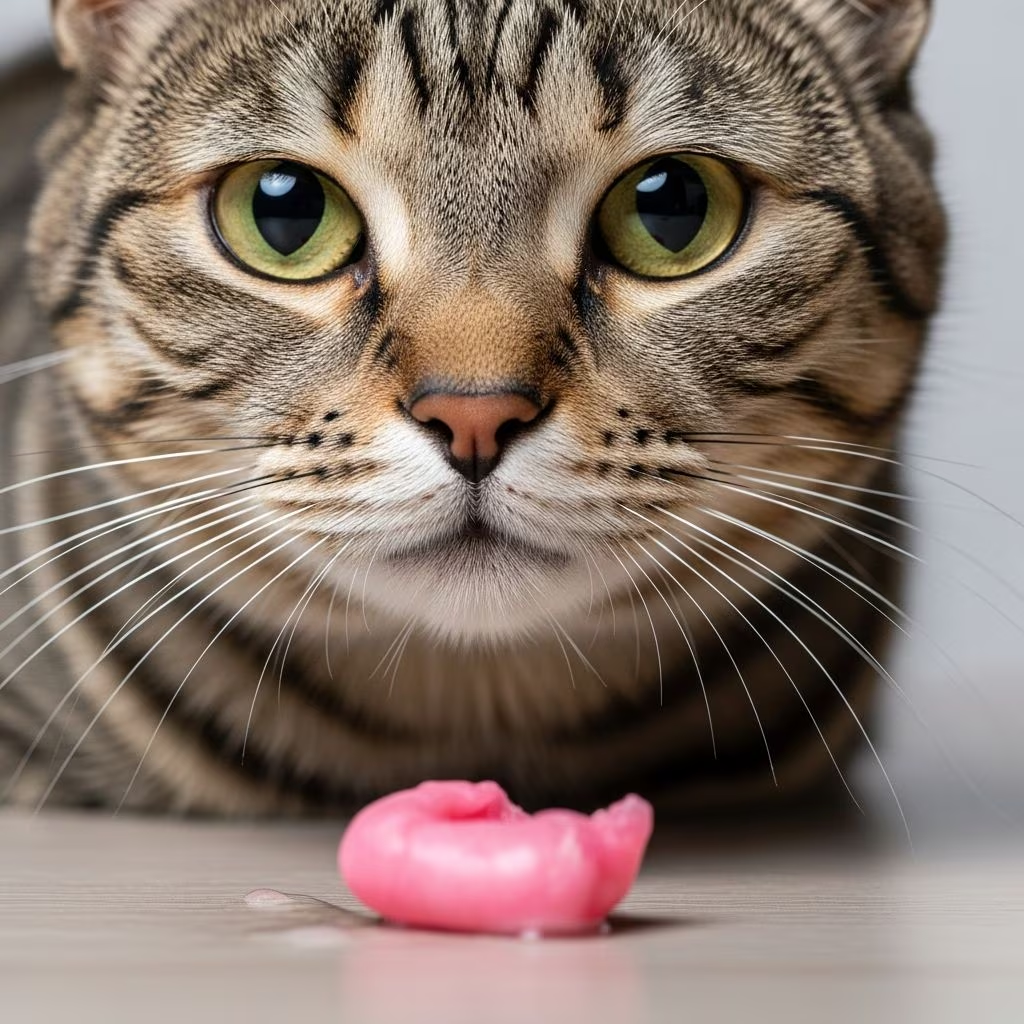
Chewing gum might seem harmless for humans, but for cats, it’s a potential hazard. With enticing scents and shiny wrappers, gum can attract curious felines, leading to accidental ingestion. While not all gum is equally dangerous, many varieties pose serious health risks including toxicity from ingredients like xylitol, choking, and digestive blockages. This comprehensive guide covers everything cat owners need to know about gum safety for pets.
Can Cats Eat Gum?
No, cats should not eat gum under any circumstances. Even though gum passes through human systems relatively harmlessly, a cat’s smaller size and different physiology make it risky. Many sugar-free gums contain xylitol, an artificial sweetener toxic to pets, though its effects are less severe in cats than dogs. Xylitol-free gums still present choking hazards and can cause gastrointestinal upset or blockages. The ASPCA notes that while xylitol is not as deadly for cats, it’s best avoided due to insufficient research on feline-specific impacts. Veterinary experts recommend erring on caution: keep all gum out of reach.
Cats are obligate carnivores with short digestive tracts optimized for meat, not indigestible substances like gum base. A single piece might seem small, but for a 5-10 lb cat, it amplifies risks exponentially. Always prioritize prevention over treatment.
Risks of Gum to Cats
Gum’s composition—rubber-like base, sweeteners, flavors, and preservatives—makes it unsuitable for cats. Here’s a breakdown of primary dangers:
- Xylitol Toxicity: Found in many sugar-free products, xylitol triggers insulin release in pets, potentially causing hypoglycemia (low blood sugar). In cats, effects are milder than in dogs, where even 0.1g/kg can be fatal, but studies show variability.
- Choking Hazard: Sticky gum can lodge in the throat or airway, especially in small cats or kittens.
- Gastrointestinal Blockage: Indigestible gum may cause impaction if large amounts are swallowed, leading to vomiting or obstruction.
Even non-toxic gums lead to sticky messes on fur, paws, and faces, complicating grooming and hygiene.
What Is Xylitol?
Xylitol is a sugar alcohol used as a low-calorie sweetener in gum, mints, and baked goods. It’s safe for humans but hazardous for animals. In dogs, it causes rapid insulin surge, hypoglycemia within 30 minutes, followed by liver failure. For cats, data is limited: no confirmed fatalities, but small studies suggest minimal insulin response. The FDA warns against pet exposure, primarily focusing on dogs, but vets extend caution to cats due to knowledge gaps.
Typical xylitol content: 0.2-2.5g per gum piece—enough to affect a cat if multiple pieces are consumed. Always check labels for “xylitol,” “birch sugar,” or similar.
Signs of Xylitol Poisoning in Cats
Symptoms can onset within 30-60 minutes. Monitor closely:
- Vomiting or diarrhea
- Lethargy or weakness
- Ataxia (wobbling, loss of coordination)
- Seizures or tremors
- Collapse
- Pale gums
- Excessive drooling
Unlike dogs, cats rarely show severe hypoglycemia, but any signs warrant immediate vet care. Early intervention with dextrose or monitoring prevents escalation.
Choking Hazards from Gum
Cats face higher choking risks than humans due to smaller airways and playful chewing. Gum’s chewiness allows it to expand when wet, sticking to teeth, palate, or throat. Signs include pawing at mouth, gagging, coughing, retching, blue gums, staggering, or collapse.
If choking occurs:
- Stay calm; restrain gently to avoid bites.
- Inspect mouth for visible gum; remove carefully.
- Perform cat Heimlich: Hold upside down, support head, deliver firm abdominal thrusts.
- Rush to vet or emergency clinic—do not delay.
Prevention: Never leave gum unattended; cats knock purses or tables easily.
Gastrointestinal Upset and Blockage Risks
Gum’s synthetic base resists breakdown by feline stomach acids and enzymes. Outcomes range from mild upset to rare blockages:
| Risk Level | Symptoms | Amount Ingested |
|---|---|---|
| Mild | Drooling, reduced appetite, soft stools | Small piece |
| Moderate | Vomiting, diarrhea, abdominal pain | 1-2 pieces |
| Severe (Rare) | Straining to defecate, no feces, bloating | Large quantity |
Blockages require surgery if gum compacts with food. Kittens and small breeds are most vulnerable. Most cases pass naturally in 24-48 hours, but watch for distress.
My Cat Ate Gum – What to Do
Act fast:
- Assess quantity and ingredients: Note gum brand/piece count; check for xylitol.
- Monitor 12-24 hours: Watch for poisoning, choking, or GI signs.
- Contact vet or poison hotline: ASPCA (888-426-4435) or Pet Poison Helpline. Provide details for tailored advice.
- Do not induce vomiting: Risky without guidance.
- Seek emergency care: For symptoms like seizures, collapse, or persistent vomiting.
Vets may recommend activated charcoal, fluids, or blood tests. Most cats recover fully with prompt care.
How to Protect Your Cat from Gum
Proactive steps ensure safety:
- Store securely: Use high shelves, zipped bags, or locked drawers.
- Opt for xylitol-free alternatives: Though still not for cats, reduces toxicity risk.
- Supervise and clean up: No purses/bags on floors; dispose wrappers immediately.
- Distract with toys: Crinkle balls or mint-scented catnip mimic gum appeal safely.
- Educate household: Kids and guests must know rules.
For multi-pet homes, cat-proof human snacks entirely.
Final Thoughts
Gum tempts cats with novelty, but risks far outweigh curiosity. Xylitol, choking, and GI issues make it a no-go. Vigilant storage and quick response to incidents keep your cat healthy. Consult vets for personalized advice—better safe than sorry.
Frequently Asked Questions (FAQs)
Q: Is xylitol toxic to cats like it is to dogs?
A: Less severe; no recorded cat deaths, but can cause hypoglycemia. Avoid exposure.
Q: What if my cat chewed but didn’t swallow gum?
A: Risk of mouth/throat stickiness or pieces breaking off. Rinse mouth if possible; monitor.
Q: Can a tiny gum piece harm my adult cat?
A: Usually passes, but watch for upset. Small cats/kittens at higher risk.
Q: How much gum is dangerous?
A: Even one xylitol piece (0.2g+) risky; multiples increase odds of issues.
Q: Are natural gums safer?
A: Still choking/GI risks; no gum is cat-safe.
References
- Can Cats Eat Gum? 3 Vet-Approved Health Risks — Hepper. 2023. https://articles.hepper.com/can-cats-eat-gum/
- Can Cats Eat Gum? Vet-Approved Facts & FAQ — Catster. 2023. https://www.catster.com/cat-health-care/can-cats-eat-gum/
- I dropped a piece of gum and my cat just ate it — Dial A Vet. 2023. https://www.dialavet.com/vet-answers/cat-ate-gum-safety-concerns-195838
- 8 common human foods that are poisonous to cats — Vets Now. 2023-12-01. https://www.vets-now.com/2023/12/foods-poisonous-to-cats/
- Paws Off Xylitol; It’s Dangerous for Dogs — U.S. Food and Drug Administration (FDA). 2023. https://www.fda.gov/consumers/consumer-updates/paws-xylitol-its-dangerous-dogs
- Xylitol Poisoning in Cats: Signs, Symptoms, & Treatment — Cats.com. 2023. https://cats.com/xylitol-poisoning-in-cats



