

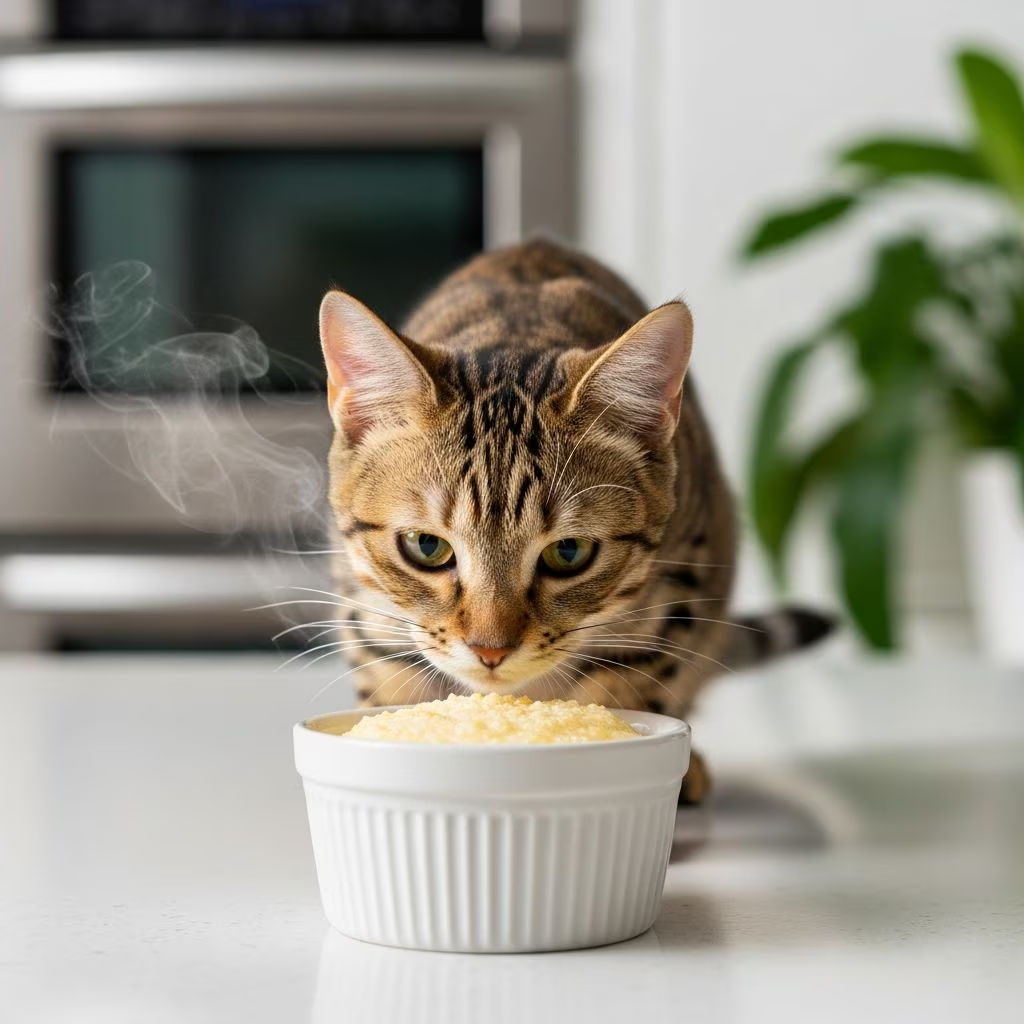
Can Cats Eat Grits?
The question of whether cats can eat grits doesn’t have a straightforward yes or no answer. While grits aren’t inherently toxic to cats, they aren’t an ideal food choice for your feline companion. Cats are obligate carnivores, meaning their bodies are designed to derive most of their nutrients from animal protein rather than plant-based sources like grains. Understanding the relationship between cats and grits requires examining their dietary needs and the potential risks associated with this corn-based breakfast staple.
What Are Grits?
Grits are a popular breakfast food made from ground corn. This simple yet versatile dish contains carbohydrates, some protein, dietary fiber, vitamins, and minerals such as iron and vitamin B6. While grits offer certain nutritional benefits for humans and some animals, they may not align with feline nutritional requirements. The primary concern for cat owners is that grits are composed mainly of carbohydrates, which cats don’t require in significant quantities to thrive.
Understanding Your Cat’s Dietary Needs
Cats have evolved as obligate carnivores, meaning they require nutrients that are primarily found in animal tissue. Their bodies have specific requirements that differ significantly from omnivorous pets. Here are the key nutritional needs of cats:
- Protein: Essential for muscle development, maintenance, and repair
- Taurine: An amino acid critical for heart health, vision, and immune function that cats cannot synthesize themselves
- Vitamins and minerals: Derived naturally from meat products
- Animal-based fatty acids: Required for coat health and overall wellness
Grits, being primarily carbohydrate-based, cannot fulfill these nutritional requirements. Carbohydrates are not essential for cats and provide only empty calories when they could be consuming nutrient-dense protein sources instead.
Are Grits Toxic to Cats?
Plain, cooked grits are not toxic to cats. If your cat accidentally consumes a small quantity of plain grits, they will likely not experience immediate harmful effects. However, the absence of toxicity doesn’t mean grits are appropriate for regular consumption. The concerns surrounding grits for cats are primarily nutritional and digestive rather than toxic.
Potential Risks of Feeding Grits to Cats
While grits themselves may not be dangerous, several risks are associated with feeding them to your feline friend:
Digestive Issues
Cats do not digest corn or grains efficiently. Large amounts of grits can lead to digestive upset, including vomiting and diarrhea. Since grits are primarily corn-based and cats lack the digestive enzymes necessary to break down grain effectively, consuming too much can result in stomach distress. Even small amounts may cause sensitivity in some cats.
Weight Gain
Grits provide empty calories with minimal nutritional value for cats. For cats that are already overweight or prone to weight gain, grits can contribute to obesity without providing the essential nutrients they need. This is particularly concerning since feline obesity is linked to numerous health problems, including diabetes and joint issues.
Nutritional Imbalance
If grits become a regular part of your cat’s diet, they will replace essential nutrients derived from animal protein. This nutritional imbalance can lead to deficiencies in critical amino acids like taurine, which can result in serious health complications including heart disease and vision problems.
Additives and Seasonings
Many recipes for grits include milk, butter, sugar, salt, and other seasonings. These additions can be harmful to cats. Dairy products may cause digestive upset, while excessive salt and sugar can lead to health issues. It’s crucial to avoid feeding your cat grits prepared with any of these additives.
How Much Grits Can Cats Safely Eat?
If you decide to offer your cat grits, the appropriate portion is extremely small. Follow these guidelines:
- Limit grits to a tiny spoonful or bite-sized amount
- Offer grits only occasionally, not as a regular treat
- Always serve plain, cooked grits with no seasonings, butter, or additives
- Monitor your cat closely for signs of digestive upset
If your cat shows any signs of vomiting, diarrhea, or lethargy after consuming grits, discontinue immediately and consult your veterinarian.
Introduction and Monitoring
If your cat has never tried grits before, introduce them very gradually. Start with the tiniest taste and watch for any signs of allergy or intolerance. Some cats may be more sensitive to grains than others. Observe your cat’s digestive system for at least 24 hours after introduction. Signs of problems include:
- Vomiting
- Diarrhea or loose stools
- Loss of appetite
- Lethargy or unusual behavior
- Excessive gas or bloating
If any of these symptoms occur, avoid feeding grits to your cat in the future.
When Grits Might Be Beneficial
While not recommended as a regular food, grits may have limited practical applications in specific situations:
Soft Food During Recovery
Grits are a soft food option that may be helpful when a cat is recovering from dental issues or illness. If your cat has undergone tooth extraction or mouth surgery, plain, cooked grits can be an easy-to-eat option that doesn’t strain the healing area. However, ensure your cat still receives proper nutrition through other means during recovery.
Appetite Stimulation
In some cases, a small amount of grits mixed with their regular food might encourage a cat with poor appetite to eat, provided the cat has been cleared by a veterinarian to do so.
Grains Cats Should Avoid
Beyond grits, several other grains are not ideal for cats and should generally be avoided or limited:
- Corn: A common filler in commercial cat foods that can cause digestive upset in large quantities
- Wheat: Can trigger allergies and digestive issues in some cats
- Rice: While not toxic, it provides minimal nutritional value for obligate carnivores
The best approach is to prioritize a protein-rich diet centered on high-quality meat sources rather than grain-based foods.
Better Treat Alternatives for Your Cat
Instead of offering grits or other grains, consider these nutritionally appropriate treat options:
- Cooked chicken: Plain, unseasoned, and boneless
- Cooked turkey: Another lean protein option
- Cooked fish: Rich in omega fatty acids for coat health
- Commercial cat treats: Formulated specifically for feline nutritional needs
- Meat-based pâtés: As occasional treats within recommended portions
These alternatives align with your cat’s natural dietary requirements and provide genuine nutritional benefits.
When to Contact Your Veterinarian
Seek veterinary care immediately if your cat exhibits any of the following after consuming grits or any new food:
- Persistent vomiting or diarrhea
- Lethargy or unusual behavior
- Loss of appetite for more than 24 hours
- Abdominal pain or discomfort
- Signs of allergic reaction (swelling, difficulty breathing)
Your veterinarian can provide specific guidance based on your cat’s health status and dietary needs.
Frequently Asked Questions
Q: Can cats eat corn if it’s in commercial cat food?
A: Corn is used in many manufactured cat foods as a filler ingredient. While it’s not toxic, it can cause stomach upset if cats consume too much. Obligate carnivores get most of their needed nutrients from animal-based sources, so grain fillers are not ideal. If your cat has a sensitive stomach, choose foods with minimal grain content.
Q: What about instant grits versus traditional grits?
A: Instant grits often contain additives, salt, and flavorings that make them less suitable for cats than traditional plain grits. If offering grits at all, stick to plain, cooked traditional grits with no added ingredients. However, neither variety is recommended as a regular part of your cat’s diet.
Q: Can kittens eat grits?
A: Kittens should not eat grits. Young cats have even higher protein requirements than adults as they grow and develop. Grits provide inadequate nutrition for growing kittens and may contribute to developmental issues. Focus on kitten-specific, protein-rich formulas designed for their developmental needs.
Q: Is it safe to add grits to my cat’s wet food?
A: It’s not advisable to add grits to your cat’s wet food. This would increase the grain content of their meals and dilute the nutritional value of the protein-based food. Stick to feeding your cat high-quality commercial cat food or veterinarian-approved diets designed for feline nutritional requirements.
Q: What if my cat already consumed a significant amount of grits?
A: If your cat ate more than a small taste of grits, monitor them closely for signs of digestive upset over the next 24-48 hours. Contact your veterinarian if vomiting, diarrhea, or other concerning symptoms develop. In most cases, a one-time consumption of plain grits won’t cause serious problems, but ongoing monitoring is important.
Q: Are there any cats that can safely eat more grits?
A: No cat breed or age group has increased tolerance for grits. All cats are obligate carnivores with similar dietary requirements. Some individual cats may have fewer sensitivities to grains, but this doesn’t change the fact that grits don’t provide necessary nutrition for cats.
Q: Can grits cause allergies in cats?
A: While grits themselves are not a common allergen, corn—the primary ingredient in grits—can trigger allergies or food sensitivities in some cats. Symptoms of food allergies may include itching, skin issues, digestive problems, or ear infections. If you suspect your cat has a grain allergy, consult your veterinarian before introducing any new foods.
Conclusion
While plain, cooked grits are not toxic to cats, they are not an appropriate regular food choice for your feline companion. Cats are obligate carnivores with specific dietary needs centered on animal protein, and grits simply cannot meet those requirements. The risks associated with regular grits consumption—including digestive upset, weight gain, and nutritional imbalance—outweigh any potential benefits. In limited situations, such as during recovery from dental surgery, a tiny amount of plain grits might be acceptable, but this should only be done under veterinary guidance. For optimal feline health and longevity, focus on providing high-quality, protein-rich diets specifically formulated for cats and reserve treats for meat-based options that align with their natural nutritional needs.
References
- Can Cats Eat Grits? Vet-Verified Facts — Hustonveterinary.com. 2024. https://hustonveterinary.com/can-cats-eat-grits/
- Can Dogs or Cats Eat Grits? — ManyPets. 2024. https://manypets.com/us/pet-food-safety/can-my-pet-eat-grits/
- Can Cats Eat Grits? Vet-Verified Facts & FAQ — Hepper Pet Resources. 2024. https://articles.hepper.com/can-cats-eat-grits/



