

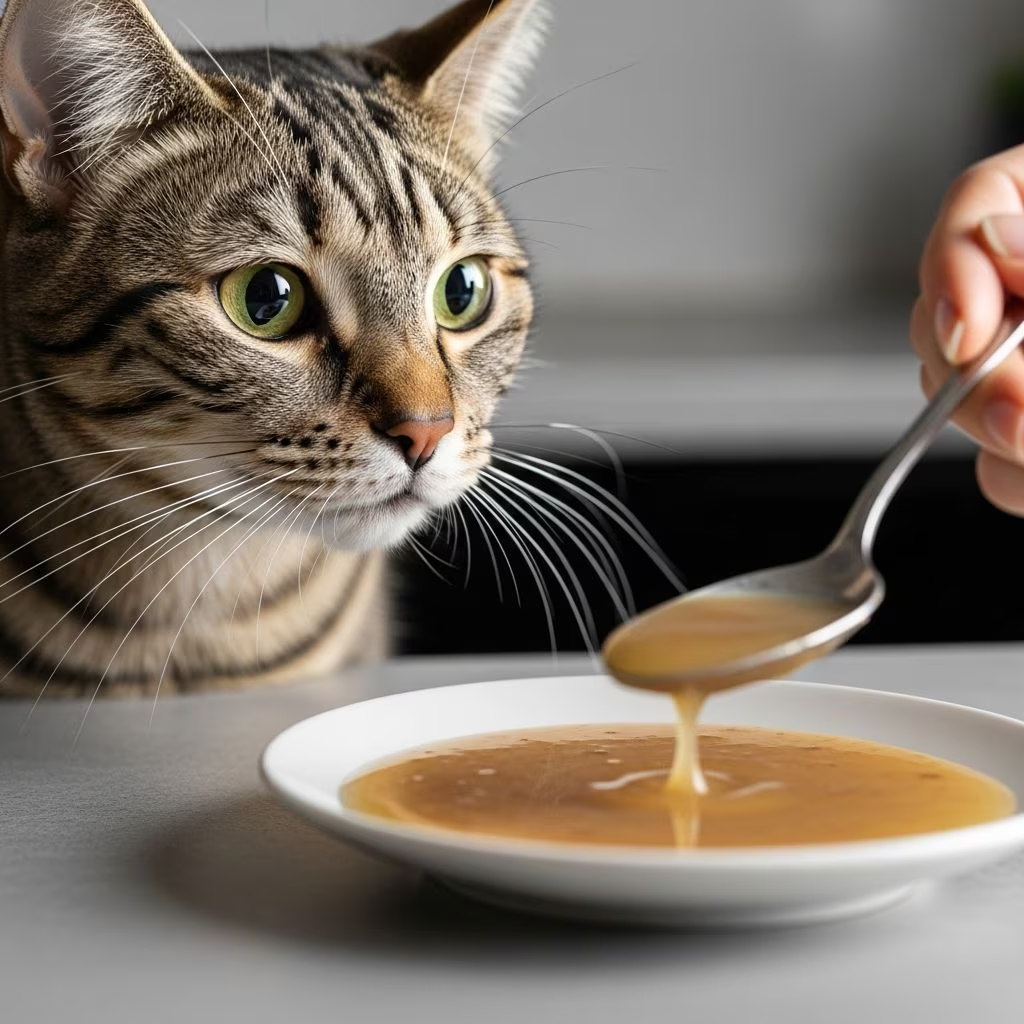
Cats often show keen interest in gravy due to its rich, savory aroma from meat broths and fats that appeal to their carnivorous instincts. However, whether cats can safely eat gravy hinges entirely on its ingredients and preparation method. Plain, unseasoned homemade gravy made without toxic additives can be offered in small amounts, providing hydration, protein, and palatability, but most commercial or seasoned varieties pose significant health risks including toxicity, digestive upset, and obesity.
Gravy Ingredients: A Closer Look
Gravy typically starts with a base of animal protein simmered to create a flavorful broth, often thickened and enhanced for taste. Common proteins include beef, chicken, turkey, pork, or even fish, which align well with a cat’s meat-based dietary needs. The simmering process extracts proteins, fats, and sometimes collagen, making it appealing and potentially hydrating when added to dry food.
Thickeners like flour, cornstarch, gelatin, or tapioca are frequently used to achieve the desired consistency. While these are generally not toxic, excessive grains from flour can cause digestive issues in grain-sensitive cats. Vegetables such as carrots might add vitamins and fiber for humans but offer little nutritional value to obligate carnivores like cats and could contribute to imbalances if overfed.
- Protein bases: Beef, chicken, turkey—safe and nutritious in moderation.
- Broth: Provides moisture, mimicking the liquid from prey.
- Fats: Essential for energy but high levels risk pancreatitis or weight gain.
- Thickeners: Gelatin boosts collagen for joint health; avoid grain-heavy options.
Homemade gravy without harmful seasonings can benefit cats by enhancing meal appeal, aiding hydration—especially for those on dry kibble—and supporting recovery from illness with easy-to-digest proteins. Always consult a vet before dietary changes, as individual needs vary by age, health, and activity.
Potentially Harmful Gravy Ingredients
While the base components seem benign, many gravies include seasonings or additions toxic to cats. The allium family—onions, garlic, chives, leeks—contains n-propyl disulfide, an oxidant that damages feline red blood cells, leading to hemolytic anemia even in small amounts. Symptoms include vomiting, weakness, pale gums, and rapid breathing; immediate vet care is essential.
Dairy products like milk or butter, common in creamy gravies or mashed potato pairings, exacerbate lactose intolerance in most adult cats. Lacking sufficient lactase enzyme post-weaning, cats experience diarrhea, gas, and vomiting from undigested lactose.
| Ingredient | Risk to Cats | Symptoms |
|---|---|---|
| Onions/Garlic | Toxic (Allium family) | Anemia, vomiting, weakness |
| Milk/Butter | Lactose intolerance | Diarrhea, bloating, nausea |
| Excess Salt | Electrolyte imbalance | Thirst, tremors, seizures |
| High Fat | Pancreatitis, obesity | Vomiting, lethargy, abdominal pain |
Other culprits include excessive salt for flavoring, which can cause sodium ion poisoning, and artificial flavors or sugars in commercial products that lead to addiction-like preferences, causing cats to ignore nutrient-dense food.
Types of Gravy Cats Should Avoid
Store-bought or premade gravies in jars, packets, or cans are risky due to hidden additives. Many list onion or garlic powder, dairy derivatives, thickeners like wheat gluten, and high sodium/fat content. Even if non-toxic, they often cause gastrointestinal upset like vomiting or diarrhea from rich fats or unfamiliar carbs.
Restaurant or holiday gravies, such as Thanksgiving varieties, frequently incorporate onions, garlic, or herbs like sage, which are unsafe. Cats licking these can ingest enough to trigger toxicity.
- Commercial packets/jars: High in preservatives, salt, and potential alliums.
- Creamy gravies: Dairy-heavy, leading to intolerance issues.
- Seasoned/human gravies: Spices disrupt digestion or are outright poisonous.
If your cat consumes suspect gravy, check ingredients immediately. No alliums? Monitor for upset. Toxic elements present? Contact a vet or poison hotline promptly.
How to Safely Make Gravy for Cats
Creating cat-safe gravy at home allows control over ingredients, ensuring it’s plain, low-fat, and broth-based. Start with boneless, skinless meat like chicken or turkey boiled in water—no salt, onions, garlic, or oils. Simmer until tender, strain the broth, and shred meat finely. For thickness, use plain gelatin sparingly or reduce by boiling.
Recipe example:
- Boil 1 cup chicken in 4 cups water for 30-45 minutes.
- Remove meat, cool, and shred.
- Reduce broth to concentrate flavors (optional).
- Mix 1-2 tsp per meal with kibble or wet food.
Benefits include improved hydration (cats need ~3.5 oz water per 5 lbs body weight daily), palatability for picky eaters, and collagen for joints. Limit to 1-2 teaspoons daily to avoid calorie overload—gravy is energy-dense at ~50-100 kcal per ounce.
For kittens weaning, dilute further to ease solids transition. Seniors may appreciate softer textures. Always introduce gradually, watching for allergies or intolerance.
Benefits and Risks of Gravy in a Cat’s Diet
Benefits: Enhances dry food moisture, preventing urinary issues; boosts intake for underweight or ill cats; provides fats for coat health and energy.
Risks: High fat/calories promote obesity (60% of cats overweight); incomplete nutrition if gravy replaces meat; addiction to flavors leads to selective eating.
Observe signs like weight gain, refusal of solids, or loose stools—reduce or eliminate accordingly. Gravy should supplement, not dominate, a balanced AAFCO-approved diet.
Frequently Asked Questions (FAQs)
Can cats eat gravy from chicken or beef?
Yes, if plain homemade without seasonings, onions, garlic, or dairy. Offer sparingly as a topper.
Is store-bought gravy safe for cats?
No, most contain toxic ingredients like garlic/onion or excess salt/fat. Avoid entirely.
Why does my cat only eat the gravy?
Gravy’s high fat/flavor appeals more; check for sugars/additives causing preference. Mix less or switch foods.
What if my cat ate toxic gravy?
Call vet immediately—symptoms of allium toxicity include vomiting and lethargy.
Can gravy help a dehydrated cat?
Yes, plain broth gravy adds moisture effectively, especially over dry food.
Final Thoughts on Cats and Gravy
Gravy can delight cats and enrich their diet if prepared safely at home without harmful additives. Prioritize vet consultation for personalized advice, monitor portions to prevent obesity or upset, and opt for commercial wet foods with safe gravies. When in doubt, skip human gravies—your cat’s health outweighs a treat.
References
- Can Cats Eat Gravy? Vet-Reviewed Facts & FAQ — Hepper. 2024. https://articles.hepper.com/can-cats-eat-gravy/
- Cat gravy—sauce or gross? Find out now! — Untamed Cat Food. 2024. https://untamed.com/blogs/nutrition/cat-gravy
- Thanksgiving Food Your Pet Can and Can’t Eat — Small Door Veterinary. 2024. https://www.smalldoorvet.com/learning-center/nutrition/thanksgiving-food-for-your-pet



