

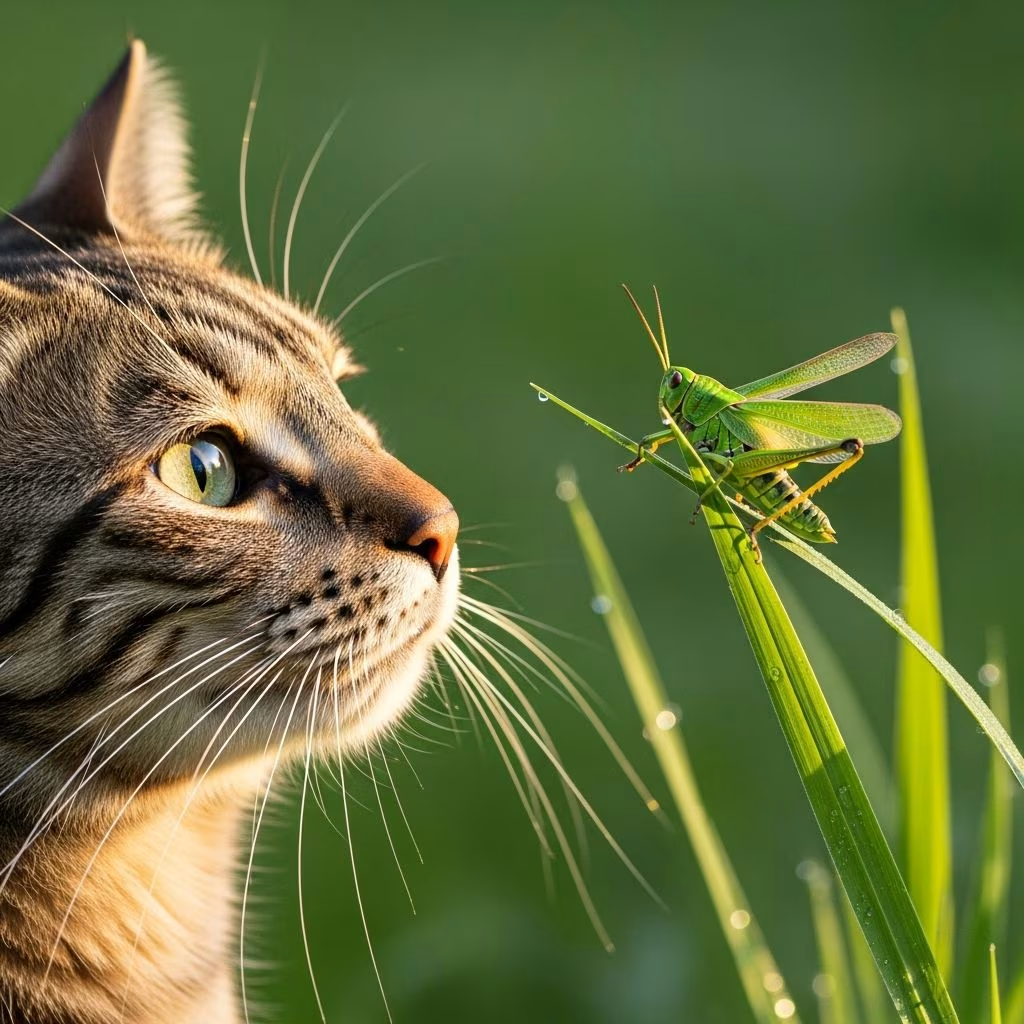
Have you ever watched your cat intently stalking a grasshopper in the yard, pouncing with precision, and then devouring it triumphantly? This natural hunting behavior raises a common question among cat owners: can cats eat grasshoppers safely? As obligate carnivores with instincts honed over millennia, cats often view insects like grasshoppers as exciting prey. While a single grasshopper is unlikely to harm your feline friend, understanding the nutritional profile, potential risks, and veterinary recommendations is crucial for their health.
In this comprehensive guide, we’ll explore the safety of grasshoppers for cats, their nutritional benefits and drawbacks, signs of illness to watch for, and whether you should intentionally offer them as treats. Drawing from veterinary insights, we’ll help you decide how to respond the next time your cat indulges in backyard bug-hunting adventures. Remember, while occasional catches are part of a cat’s playful predation, a balanced commercial diet remains the cornerstone of feline wellness.
Is It Safe for Cats to Eat Grasshoppers?
Yes, it is generally safe for cats to eat grasshoppers in small quantities. Cats are innate predators, and chasing insects like grasshoppers provides mental stimulation and exercise. If your cat catches and consumes one during play, there’s no need for immediate alarm—grasshoppers are non-toxic to felines.
The primary concern stems from the grasshopper’s **exoskeleton**, a hard, chitinous outer shell that can be tough to digest. A single grasshopper typically passes through without issue, but consuming multiple ones may lead to mouth irritation or gastrointestinal discomfort, such as vomiting or diarrhea. This is because the exoskeleton doesn’t break down easily in a cat’s digestive system, potentially causing minor abrasions or blockages if overindulged.
- Natural Instinct: In the wild, cats frequently eat insects as part of their diet, making grasshoppers a familiar snack.
- Low Toxicity Risk: Unlike some bugs (e.g., fireflies or spiders), grasshoppers lack venom or poisons harmful to cats.
- Quantity Matters: One or two? Fine. A dozen? Monitor closely for tummy troubles.
Outdoor cats or those with access to yards are more prone to these encounters, especially in grassy areas during warmer months. Indoor cats might mimic this behavior with toys, but real grasshoppers introduce variables like pesticides from treated lawns—always supervise outdoor play.
Are Grasshoppers Healthy for Cats?
While safe occasionally, grasshoppers are not a healthy staple for your cat’s diet. Cats require high-protein, moderate-fat meals with minimal carbohydrates as obligate carnivores. Grasshoppers align somewhat with this: they’re about 60-70% protein and 20% fat by dry weight, offering essential amino acids like taurine.
However, several factors diminish their value:
- Exoskeleton Drawbacks: The indigestible chitin can irritate the gastrointestinal tract and mouth, leading to discomfort.
- Parasite Risk: Wild grasshoppers may carry parasites like nematodes or acanthocephalans, potentially transmissible to cats.
- Nutrient Imbalance: Lacking the complete profile of commercial cat food, which is formulated for optimal vitamin, mineral, and taurine levels.
- Pesticide Exposure: Grasshoppers from agricultural or treated areas may harbor chemical residues harmful to pets.
A table comparing grasshoppers to standard cat food highlights why they’re not ideal:
| Nutrient | Grasshopper (per 100g dry) | Commercial Cat Food (average) |
|---|---|---|
| Protein | ~65g | 30-50g |
| Fat | ~20g | 15-25g |
| Carbs | <5g | <10g |
| Taurine | Variable | Guaranteed 0.1-0.2% |
| Digestibility | Moderate (due to chitin) | High |
Source approximations based on entomological nutrition data; cat food per AAFCO standards. Grasshoppers provide a protein punch but fall short in consistency and safety for regular feeding. Opt for vet-approved kibble or wet food to meet daily needs—treat insects as rare bonuses, not meals.
Can Grasshoppers Make My Cat Sick?
In most scenarios, a single grasshopper won’t make your cat sick. Cats’ robust digestive systems handle small insects well, and playful consumption rarely leads to issues. However, problems can arise under certain conditions:
- Gastrointestinal Upset: Multiple grasshoppers’ exoskeletons may cause vomiting, diarrhea, or lethargy as the body struggles to process the tough material.
- Parasitic Infections: Though rare in domestic settings, parasites from infected insects could lead to intestinal worms or other issues—deworming helps mitigate.
- Choking Hazard: Excited cats might swallow whole, risking airway obstruction, especially with larger specimens.
- Secondary Toxins: Pesticides, herbicides, or environmental pollutants absorbed by the grasshopper can cause poisoning symptoms like drooling, tremors, or seizures.
Watch for symptoms post-consumption: excessive salivation, retching, abdominal pain (hunched posture), or bloody stools. If observed, contact your vet promptly. Kittens, seniors, or cats with pre-existing conditions (e.g., IBD) are more vulnerable. Hydration and a bland diet can aid recovery from mild cases.
Should I Feed Grasshoppers to My Cat?
No, you should not intentionally feed grasshoppers to your cat. While natural and occasional, deliberate feeding increases risks without proportional benefits. Stick to commercially prepared cat foods rich in meat-based proteins like chicken, turkey, beef, or fish—these ensure balanced nutrition without chitin or parasite worries.
Potential downsides of regular grasshopper feeding include chronic mouth sores from exoskeleton abrasion and nutritional gaps leading to deficiencies. Vets unanimously recommend against it, favoring kibble/wet food that meets AAFCO standards for all life stages. If seeking novel proteins, consider freeze-dried insect treats formulated for pets, but even these are supplements, not mains.
Should I Stop My Cat from Chasing Grasshoppers?
Not necessarily—chasing grasshoppers fulfills your cat’s predatory instincts, providing exercise, enrichment, and stress relief. Allow supervised play, but intervene if consumption seems excessive. Indoor alternatives like feather wands or laser pointers mimic the hunt safely.
For outdoor cats, create a secure enclosure (catio) to enable bug-chasing minus escape or toxin risks. If your cat fixates on insects, it might signal boredom—rotate toys and increase interactive playtime to 15-30 minutes daily.
Frequently Asked Questions (FAQs)
What happens if my cat eats a grasshopper?
Typically nothing serious; monitor for vomiting or discomfort from the exoskeleton.
Are grasshoppers nutritious for cats?
They’re protein-rich but not balanced or safe for frequent consumption due to chitin and parasites.
Can grasshoppers give my cat worms?
Possible but uncommon; maintain regular deworming as per vet schedule.
Is it okay for indoor cats to eat grasshoppers brought inside?
Occasionally yes, but check for cleanliness—avoid if from unknown sources.
What if my cat eats many grasshoppers?
Watch for GI upset; seek vet care if symptoms persist beyond 24 hours.
Final Thoughts
Your cat’s grasshopper escapades are a glimpse into their wild ancestry—harmless fun in moderation. While non-toxic and instinctively appealing, grasshoppers aren’t a substitute for a proper diet. Prioritize high-quality cat food, regular vet check-ups, and safe play to keep your feline thriving. If concerns arise, consult your veterinarian for personalized advice tailored to your cat’s health profile.
References
- Can Cats Eat Grasshoppers? Vet-Approved Nutrition Facts — Catster. 2023. https://www.catster.com/cat-health-care/can-cats-eat-grasshoppers/
- Can Cats Eat Grasshoppers? Nutritional Facts & Safety Guide — Hepper. 2023. https://articles.hepper.com/can-cats-eat-grasshoppers/
- Can Cats Eat Grasshoppers? Vet-Verified Facts — Huston Veterinary Clinic. 2024. https://hustonveterinary.com/can-cats-eat-grasshoppers/
- Can Cats Eat Insects? — Dr. Ruth Roberts. 2023. https://drruthroberts.com/blogs/pet-blog/can-cats-eat-insects
- My cat just ate a grasshopper she caught on our porch, is that safe? — Dial a Vet. 2024. https://www.dialavet.com/vet-answers/post/cat-ate-grasshopper-safe-49735



