

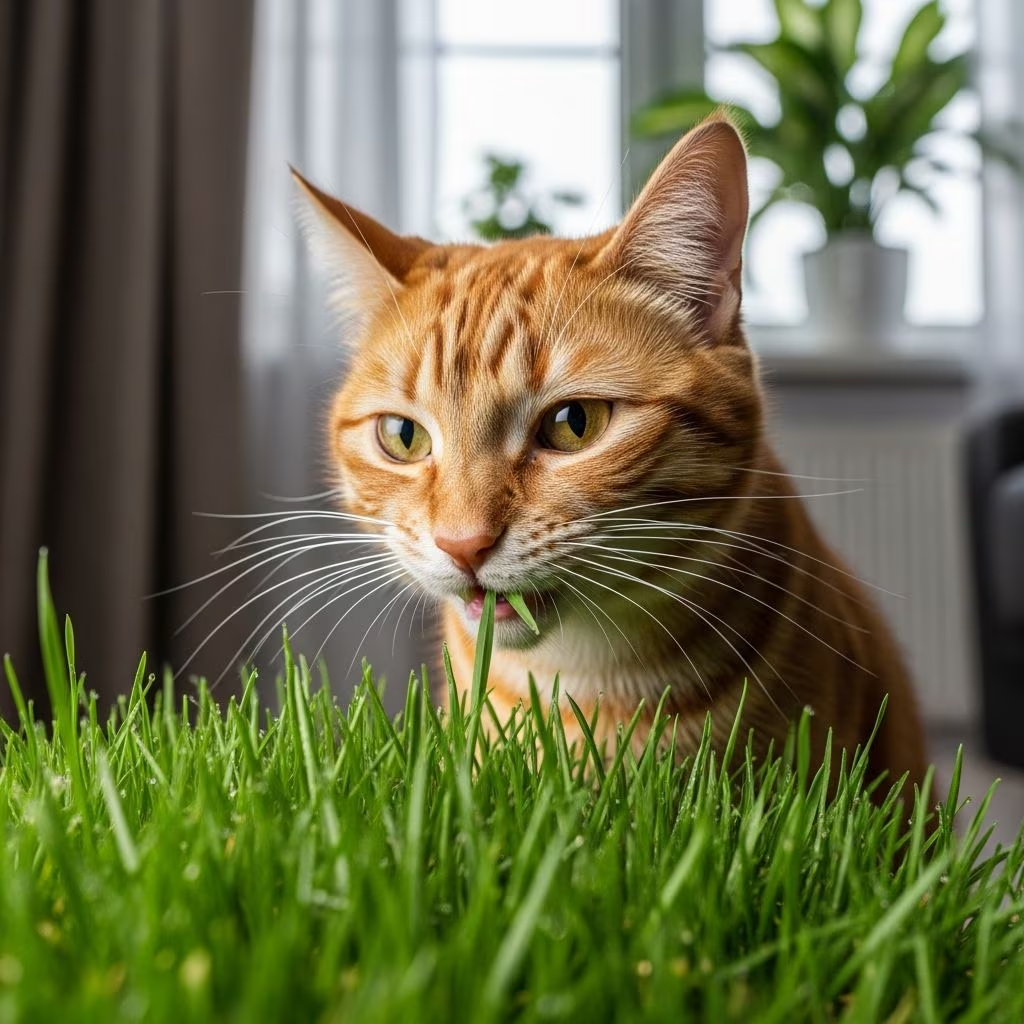
Can Cats Eat Grass? What You Need to Know
Yes, cats can eat grass, and it is generally safe for them to do so as long as the grass has not been treated with pesticides, herbicides, or chemical fertilizers. Many cat owners are surprised to learn that grass consumption is a natural behavior for cats, contrary to the common myth that cats only eat grass when they are ill or nauseous. While grass eating is perfectly normal, moderation is essential, as consuming excessive amounts can lead to gastrointestinal issues. Understanding why your cat eats grass and how to provide safe alternatives can help you support your feline companion’s natural instincts while protecting their health.
Why Do Cats Eat Grass?
Cats eat grass for numerous reasons, many of which provide legitimate health and behavioral benefits. Unlike common misconceptions, grass consumption is not solely an indicator of illness. Instead, it represents a complex set of motivations rooted in both nutrition and natural instinct.
Digestive Support and Hairball Management
One of the primary reasons cats eat grass is to aid their digestive system. Grass acts as a natural laxative due to its high prebiotic fiber content, which can help promote regular bowel movements. For cats that suffer from hairballs, grass consumption can be particularly beneficial. The roughage in grass helps move hairballs and other indigestible materials through the digestive tract more effectively. Additionally, research indicates that cats eating grass routinely may experience fewer hairballs, more regular gastrointestinal function, and less constipation.
Nutritional Benefits
Though grass is not readily digested in the traditional sense, cats may consume it to address low-level mineral or vitamin deficiencies. Grass contains valuable trace minerals, micronutrients, and vitamins including A, B, and D. Importantly, grass also provides folic acid, an essential nutrient that helps produce hemoglobin and facilitates oxygen transport through the bloodstream. The chlorophyll present in grass also offers the added benefit of helping keep your cat’s breath fresh.
Clearing Intestinal Parasites
Research suggests that cats, much like dogs, may eat grass to help clear their digestive tract of intestinal parasites. The fibrous nature of grass increases muscle activity in the digestive tract, potentially aiding in the expulsion of parasites. This natural behavior likely developed as an evolutionary survival mechanism.
Intentional Stomach Clearing
Cats sometimes eat grass to induce vomiting, which allows them to expel indigestible materials from their stomachs. This is an intentional behavior, not a sign of illness. However, since cats cannot digest large quantities of grass due to lacking the necessary digestive enzymes, overeating grass can naturally result in vomiting. If your cat vomits after eating grass but otherwise seems healthy and normal, this is typically not a cause for concern.
Behavioral Enrichment and Entertainment
Beyond nutritional reasons, cats simply enjoy chewing on grass. It provides psychological satisfaction and mental stimulation, particularly for indoor cats. The act of grazing mimics natural outdoor behaviors and can help reduce boredom and stress. Some cats develop a genuine preference for the taste and texture of grass and leafy greens based on their individual personalities.
Is Grass Safe for Cats?
Grass is safe for cats when certain precautions are taken. The primary concern involves chemical contamination rather than grass itself. As long as grass has not been treated with pesticides, fertilizers, or herbicides, it poses minimal risk to your feline friend. However, several safety considerations warrant attention.
Chemical Exposure Risks
Grass treated with lawn-care chemicals can be toxic to cats. If your cat ingests chemically treated grass, contact your veterinarian and monitor for symptoms of toxicity, which may include vomiting, diarrhea, and general malaise. This is why outdoor lawn grass is generally not recommended for cats, as it frequently contains pesticides, fertilizers, or residual parasite eggs from other animals.
Excessive Consumption Concerns
While moderate grass consumption is safe, overeating poses digestive risks. Cats lack the necessary enzymes to process large quantities of grass, and excessive consumption can lead to vomiting, diarrhea, or constipation. In rare cases, insoluble fiber from grass can accumulate and potentially cause intestinal blockage, particularly if the cat doesn’t vomit to naturally expel the material. A good rule of thumb is that treats of any kind, including grass, should comprise no more than 10% of a cat’s total caloric intake.
Rare Physical Injuries
Though extremely rare, grass blades can occasionally become lodged in the back of a cat’s nose, causing irritation. Additionally, when cats eat outdoor grass by grazing down to the roots, they may consume small amounts of soil and expose themselves to intestinal parasite eggs that survive in soil for extended periods.
Toxic Plant Confusion
Cats accustomed to eating grass may fail to distinguish between safe grass and toxic plants. If your cat regularly eats grass, she may assume other green plants are safe to consume, leading to accidental ingestion of poisonous plants like rhododendrons or tiger lilies. Ensure all toxic plants are removed from your home and garden to prevent this risk.
How to Support Your Cat’s Grass-Eating Habit Safely
If your cat enjoys eating grass, you can nurture this natural behavior while minimizing health risks through several practical strategies.
Provide Safe Indoor Cat Grass
The safest approach is to grow cat grass indoors. Commercial cat grass kits containing non-toxic wheat or oat grass seeds are readily available and provide a pesticide-free alternative. Growing a small tray of grass inside your home adds to your cat’s indoor experience and encourages them to eat grass indoors rather than seeking it outdoors where toxins may be present. If you choose to grow cat grass, ensure it remains fresh and free from mold, as mold ingestion can challenge the digestive tract and prove toxic. If your grass begins to look sickly, remove the planter and cultivate a new batch.
Monitor Consumption Levels
Supervise your cats as they chew on grass to ensure they are not consuming excessive amounts. Monitor the frequency and quantity of grass your cat eats. If your cat eats grass excessively or very frequently, this could signal a larger health concern such as feline pica, a condition causing cats to eat non-edible items with little nutritional value. Consult your veterinarian if you notice persistent changes in grass-eating behavior.
Introduce Gradually
If your cat has never consumed cat grass before, introduce it slowly. This allows you to monitor their reaction and ensure they do not experience adverse responses.
Avoid Outdoor Grass
Never allow your cat to eat untreated outdoor lawn grass. Outdoor grass frequently contains pesticides, herbicides, and parasite eggs that pose significant health risks. If you are uncertain whether grass has been treated with chemicals, it is best to avoid allowing your cat to eat it altogether.
When to Contact Your Veterinarian
While occasional grass consumption is normal, certain situations warrant veterinary attention. If your cat exhibits excessive grass eating, contact your veterinarian to rule out underlying health concerns. Additionally, if your cat vomits blood, appears lethargic, or shows other signs of distress after eating grass, stop allowing grass consumption immediately and seek veterinary care. Persistent vomiting beyond occasional episodes, diarrhea that does not resolve, or signs of intestinal blockage including lethargy, loss of appetite, or inability to defecate require immediate veterinary evaluation.
Key Safety Guidelines Summary
- Source matters: Only provide pesticide-free, chemical-free grass to your cat
- Moderation is essential: Limit grass consumption to less than 10% of your cat’s total caloric intake
- Monitor consumption: Supervise grass eating to prevent overconsumption of large pieces
- Prefer indoor options: Grow safe cat grass indoors rather than allowing outdoor lawn consumption
- Watch for health changes: Excessive grass eating may indicate nutritional deficiencies or pica
- Remove toxic plants: Ensure your home is free of poisonous plants your cat might confuse with grass
- Check for mold: Replace cat grass if it appears sickly or develops mold growth
Frequently Asked Questions About Cats Eating Grass
Q: Why is my cat throwing up after eating grass?
A: Vomiting after eating grass is often intentional behavior. Cats eat grass to induce vomiting and clear indigestible materials from their stomachs. Since cats lack digestive enzymes to break down grass in large quantities, vomiting is a natural consequence. If your cat seems otherwise healthy and normal, occasional vomiting after grass consumption is not cause for concern. However, if vomiting is frequent or accompanied by other symptoms, consult your veterinarian.
Q: Is cat grass different from regular grass?
A: Cat grass typically refers to specially cultivated indoor varieties like wheat or oat grass grown specifically for feline consumption. These varieties are softer, safer, and guaranteed to be pesticide-free, making them ideal for indoor cats. Regular outdoor lawn grass may contain pesticides, fertilizers, and parasite eggs, making it less suitable for cats.
Q: Can indoor cats eat grass?
A: Yes, indoor cats can and should have access to safe grass options. Growing a tray of cat grass indoors fulfills your indoor cat’s natural instinct to graze and helps satisfy their evolutionary craving for plant material. This reduces the likelihood that your indoor cat will attempt to eat potentially toxic houseplants.
Q: How often should my cat eat grass?
A: There is no strict frequency requirement, but moderation is key. Your cat can enjoy occasional grass snacking as long as consumption remains within reasonable limits. If your cat is eating grass multiple times daily or in excessive quantities, contact your veterinarian to rule out underlying health issues.
Q: What should I do if my cat eats toxic outdoor grass?
A: If your cat ingests chemically treated grass, contact your veterinarian and monitor for symptoms of toxicity including vomiting, diarrhea, and general malaise. Do not wait for symptoms to appear—prompt veterinary consultation is advisable if you know your cat has eaten treated grass.
Q: Is grass a substitute for a balanced diet?
A: No. While grass provides certain minerals, vitamins, and fiber, it should never replace a nutritionally balanced commercial cat food. Grass should be considered an occasional supplement or enrichment activity, not a dietary staple. Ensure your cat receives a complete, balanced diet formulated for feline nutritional requirements.
Conclusion: Supporting Your Cat’s Natural Instinct Safely
Grass consumption is a natural, normal behavior for cats that provides digestive, nutritional, and behavioral benefits. By understanding why your cat eats grass and implementing proper safety measures, you can allow your feline companion to engage in this instinctive behavior while minimizing health risks. Providing safe indoor cat grass alternatives, monitoring consumption levels, avoiding chemically treated outdoor grass, and removing toxic plants from your home creates an environment where your cat can safely satisfy their natural grazing instincts. When in doubt about your cat’s grass-eating habits or health, consult your veterinarian to ensure your beloved pet remains healthy and happy.
References
- Why Do Cats Eat Grass? Is It Safe? — The Honest Kitchen. Accessed January 14, 2026. https://www.thehonestkitchen.com/blogs/pet-wellness/why-cats-eat-grass
- Why Do Cats Eat Grass? — Blue Cross. Last reviewed April 28, 2025. https://www.bluecross.org.uk/advice/cat/why-do-cats-eat-grass
- Where the Green Grass Grows: Grass Treats for Cats — VCA Animal Hospitals. Accessed January 14, 2026. https://vcahospitals.com/know-your-pet/where-the-green-grass-grows-grass-treats-for-cats
- Why Do Cats Eat Grass? — PetMD. Accessed January 14, 2026. https://www.petmd.com/cat/general-health/why-do-cats-eat-grass
- Is Cat Grass Good for Cats? Benefits & Safety Guide — Lady N US. Accessed January 14, 2026. https://ladynpet.com/us/blog/is-cat-grass-good-for-cats/
- All About Cat Grass: Benefits, Safety, and Growing Tips — Catit USA. Accessed January 14, 2026. https://catit.us/blogs/news/all-about-cat-grass-benefits-safety-and-growing-tips



