

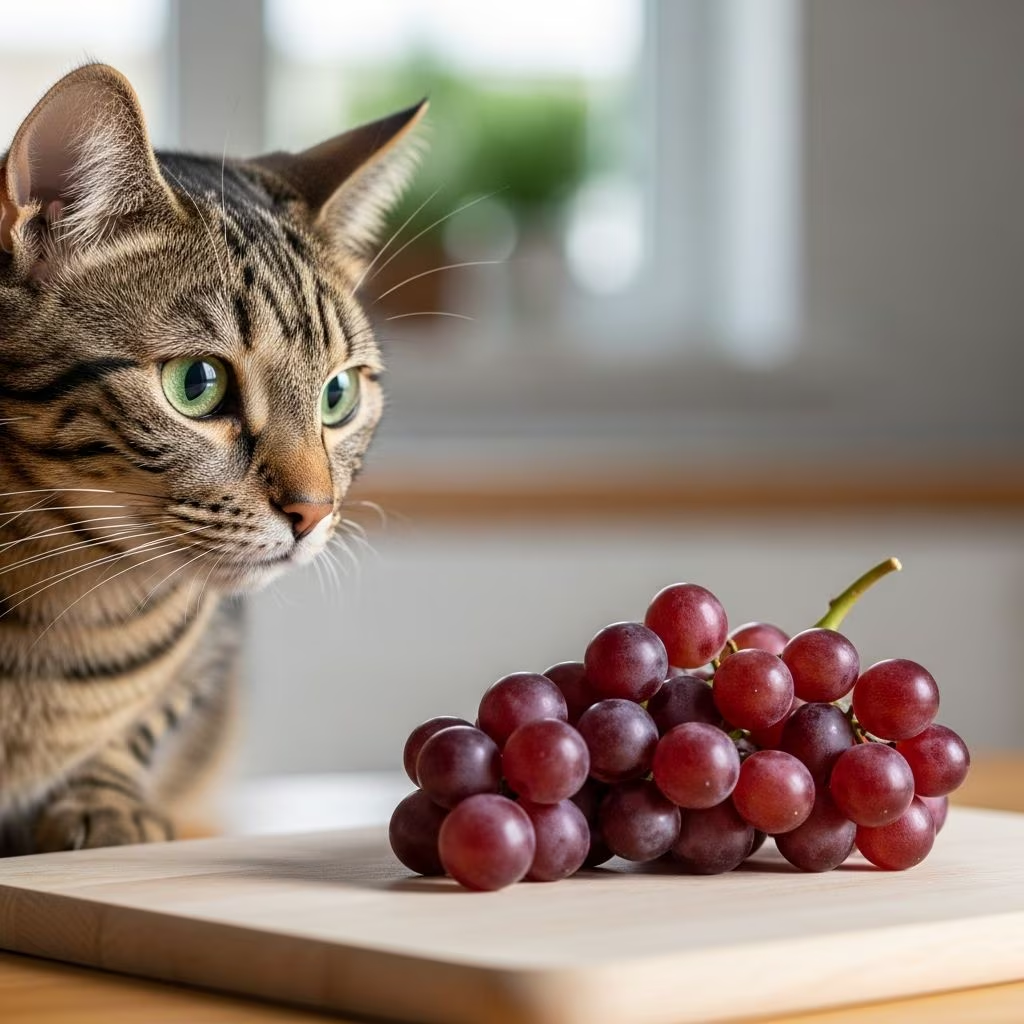
Can Cats Have Grapes?
No, cats cannot have grapes. Grapes have been linked to kidney issues in cats and dogs, and while the exact cause isn’t fully understood, veterinary experts recommend keeping all grapes and grape-derived products away from feline companions. While there are fewer documented cases of grape toxicity in cats compared to dogs, the potential health risks are serious enough that prevention is essential for responsible pet ownership.
Grapes represent a significant danger to your cat’s health, potentially causing acute kidney failure and other serious medical complications. Even though cats may be less likely to eat grapes due to their selective eating habits compared to dogs, the risk of toxicity is too great to allow any exposure. Understanding this danger and taking preventive measures is crucial for keeping your feline friend safe.
Why Are Grapes Bad for Cats?
Grapes can potentially bring on toxicosis, as well as rapid development of kidney failure in cats. The exact mechanism of grape toxicity remains under investigation, but tartaric acid, the primary fruit acid in grapes, and its salt, potassium bitartrate, are considered the most likely culprits responsible for the toxic effects observed in feline patients.
When cats consume grapes, the fruit can cause several harmful effects on their body. Grape toxicity in cats primarily affects the kidneys, potentially leading to acute kidney failure. This serious condition means the kidneys may lose their ability to filter waste from the bloodstream, creating life-threatening situations. Even small amounts of grapes can be harmful to your cat, making complete avoidance the safest approach.
Research indicates that approximately 15% of dogs and cats that eat grapes or raisins will show signs of toxicity, including restlessness, reduced appetite, and vomiting. While less than 1% of affected animals develop kidney damage according to some studies, documented cases of kidney damage in cats after consuming grapes prove that this serious complication can occur. Until scientists fully understand the mechanism of toxicity, the safest course of action is complete prevention.
Understanding Grape Varieties and Their Toxicity
All varieties of grapes pose potential risks to cats, regardless of color or preparation method.
Red, Green, Black, Purple, and All Other Colored Grapes
All grape varieties may contain potentially toxic compounds and should be kept away from your cats. The color or apparent ripeness of the grape does not affect its toxicity level. Whether you have red grapes, green grapes, black grapes, purple grapes, or any other variety in your home, they should all be considered dangerous to your feline companion and kept completely out of reach.
Grapes With Seeds
Grapes with seeds can still be toxic to cats, and the seeds present an additional choking hazard for your pet. If your cat accidentally ingests a seeded grape, it faces both the potential toxic effects of the fruit and the physical danger of seed aspiration. Seedless grapes are marginally safer regarding the choking risk, but they are not safe from a toxicity perspective.
Cooked Grapes, Raisins, and Currants
Even when cooked or dried, grapes, raisins, and currants may still be toxic to cats. Raisins are simply dehydrated grapes, which concentrates all of the potentially harmful compounds in the fruit. In theory, raisins are more toxic than fresh grapes in small quantities due to this concentration effect. There are approximately 60 raisins in an ounce, so the toxic threshold could be as few as 30 raisins for a 10-pound cat, compared to approximately 12 grapes for the same-sized animal.
Organic Grapes
While organic grapes may be sprayed with fewer chemicals, they may still contain the toxic compound found in conventional grapes. The toxicity of grapes appears to be inherent to the fruit itself rather than resulting from pesticide or chemical residue, so choosing organic does not make grapes safe for your cat.
Grape Products to Avoid
Pet owners must be vigilant about avoiding not only fresh grapes but also numerous processed foods and products that contain grapes or grape derivatives. Many common household foods and treats contain hidden grape ingredients that could harm your cat.
Don’t feed your pet any dishes that might contain grapes or a grape derivative. Products to avoid include:
- Grape jams and jellies
- Grape juices and juice concentrates
- Raisin bread and baked goods containing raisins
- Fruit sauces containing grapes or raisins
- Raisin desserts such as cakes and cookies
- Trail mix and granola containing raisins
- Breakfast cereals with raisins
- Smoothies or other beverages containing grape juice
Reading ingredient labels carefully is essential when sharing any human food with your cat. Many processed foods contain grape juice concentrate or raisin powder, which may not be immediately obvious from the product name alone.
Symptoms of Grape Toxicity in Cats
If your cat has eaten grapes, knowing the warning signs of toxicity is critical for prompt treatment. Symptoms of grape toxicity include:
- Loss of appetite
- Lethargy and decreased activity levels
- Increased thirst
- Dehydration
- Abdominal pain
- Vomiting
- Diarrhea
- Restlessness
- In severe cases, neurologic symptoms such as muscle tremors
In more severe cases, especially if large quantities are ingested or if the cat has underlying health conditions, there may be a risk of kidney problems. Acute kidney failure represents the most serious potential outcome of grape toxicity in cats. If your cat shows any of these signs after eating grapes, contact your veterinarian immediately. It’s always better to seek medical advice quickly, especially when dealing with potential toxins.
Other Potential Risks Beyond Toxicity
Beyond the toxin concerns, grapes present other physical dangers to cats. Gastrointestinal obstruction is a potential risk, especially if a cat swallows a whole grape or a stem. While not directly toxic, the grape skin or stem can be difficult to digest and may cause physical blockages in the intestines, particularly in smaller or older cats. This condition requires veterinary intervention and can be life-threatening if not treated promptly.
Seeds present a significant choking hazard for cats, potentially causing airway obstruction. Even seedless grapes can pose risks if swallowed whole without proper chewing, as the smooth round shape makes them prone to becoming lodged in the throat.
Do Cats Need Grapes?
No, cats have no nutritional need for grapes whatsoever. While humans benefit from the antioxidants and vitamins in grapes, cats are obligate carnivores. This means they rely exclusively on nutrients found in animal tissues rather than plant-based foods. Their digestive systems evolved to process meat, not fruits and vegetables.
Your cat’s diet should consist of high-quality, AAFCO-approved commercial cat food that’s balanced to meet their specific nutritional needs. Fruits like grapes provide no health benefits to cats and only introduce unnecessary and potentially serious risks. If you want to offer your cat a special snack, consult your veterinarian about safe options such as small pieces of cooked chicken, plain pumpkin, or specially formulated cat treats designed specifically for feline nutrition.
Can Cats Eat Grapes Safely?
To sum it up clearly: No, cats cannot eat grapes safely under any circumstances. While not as widely recognized as a feline toxin compared to substances like chocolate or xylitol, grapes present enough potential risk that they should be completely avoided.
Even though cats are less likely to ingest grapes due to their selective eating habits compared to dogs, it’s best to keep grapes and grape-containing foods well out of reach. Store grapes in sealed containers in areas where your cat cannot access them, and be mindful of leaving bowls of grapes unattended on tables or countertops. When it comes to your cat’s health, it’s always smarter to err on the side of caution.
What to Do If Your Cat Eats Grapes
If you discover that your cat has eaten grapes, don’t panic, but do act quickly. Contact your veterinarian or emergency animal poison control center immediately. Have the following information ready when you call:
- How many grapes your cat ate (if known)
- When the ingestion occurred
- Your cat’s weight and age
- Any symptoms your cat is currently displaying
Your veterinarian may recommend bringing your cat in for observation and blood work to check kidney function. Early intervention can be critical in preventing serious complications. Don’t wait to see if symptoms develop—seek professional advice immediately after accidental ingestion.
Frequently Asked Questions
Q: Can cats eat green grapes?
A: No, cats shouldn’t eat green grapes. Grapes of any color can be toxic to cats and may lead to serious health issues like kidney failure. The color of the grape does not affect its toxicity level.
Q: Can cats eat grape stems?
A: Grape stems are also a no-go for cats. They can pose a choking hazard and may have the same toxins found in grapes themselves. Keep entire grape plants, including stems and leaves, away from your feline companion.
Q: Are raisins toxic to cats like they are to dogs?
A: Yes, raisins are toxic to cats. Raisins are dehydrated grapes with concentrated compounds, making them potentially more dangerous than fresh grapes in small quantities. Avoid all raisin-containing foods for your cat.
Q: What should I feed my cat as healthy treats instead?
A: Safe treat options for cats include small pieces of cooked chicken, plain cooked turkey, small amounts of plain pumpkin, or commercially formulated cat treats approved by your veterinarian. Always introduce new foods gradually and in moderation.
Q: How quickly do grape toxicity symptoms appear?
A: Symptoms of grape toxicity can appear within hours of ingestion, but may take up to several days to fully develop. This is why immediate veterinary attention is crucial if you suspect your cat has eaten grapes.
Q: Can a small amount of grape juice hurt my cat?
A: Yes, grape juice contains the same potentially toxic compounds as whole grapes. Even small amounts of grape juice should be avoided. Check all beverage labels carefully before allowing your cat access to any human foods or drinks.
References
- Can Cats Eat Grapes? — Chewy Education. November 2025. https://www.chewy.com/education/cat/food-and-nutrition/can-cats-eat-grapes
- Can Cats Eat Grapes? Risks, Safety, and What to Do — PetPlace. https://www.petplace.com/article/cats/pet-health/cat-health/cat-diet-nutrition/can-cats-eat-grapes
- Can Cats Eat Grapes? – PetMD — PetMD. https://www.petmd.com/cat/nutrition/can-cats-eat-grapes
- Can Cats Eat Grapes? A Guide to Safety — Purina US. https://www.purina.com/articles/cat/feeding/can-cats-eat/grapes
- Can Cats Eat Grapes? Nope, and They Can’t Have Raisins Either — HowStuffWorks. https://animals.howstuffworks.com/pets/can-cats-eat-grapes.htm
- Can Cats Eat Grapes? Hidden Dangers Every Owner Should Know — Noble Vet Clinic. https://noblevetclinic.com/blog/can-cats-eat-grapes



